Methodology
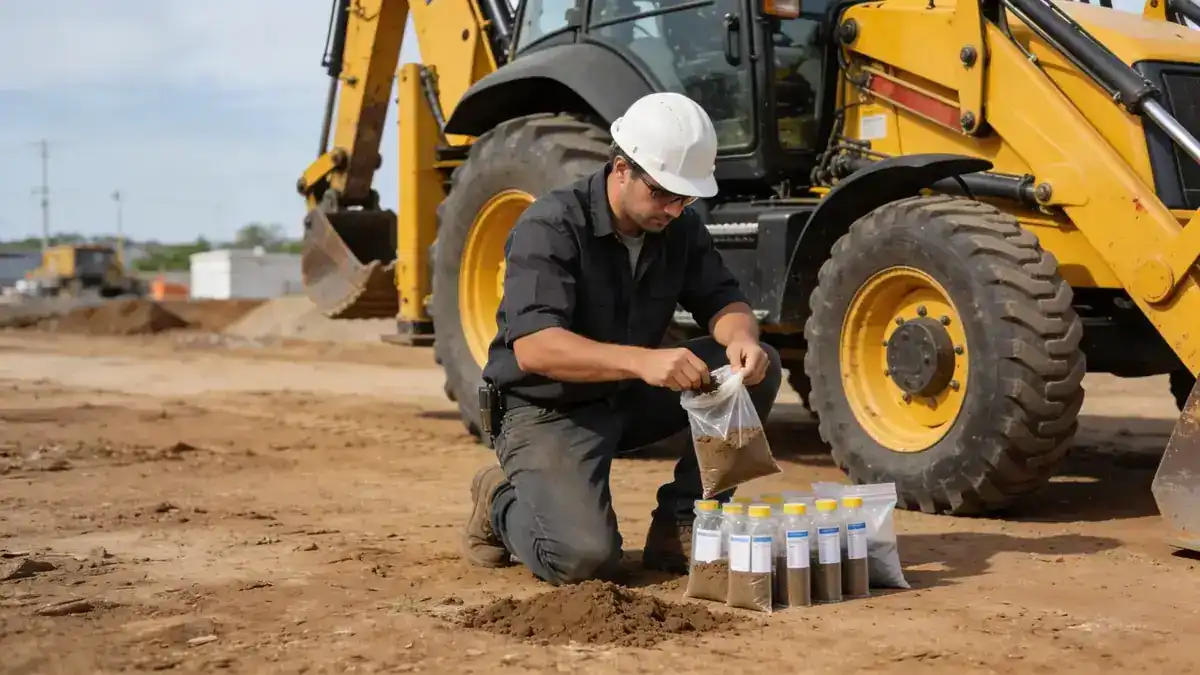
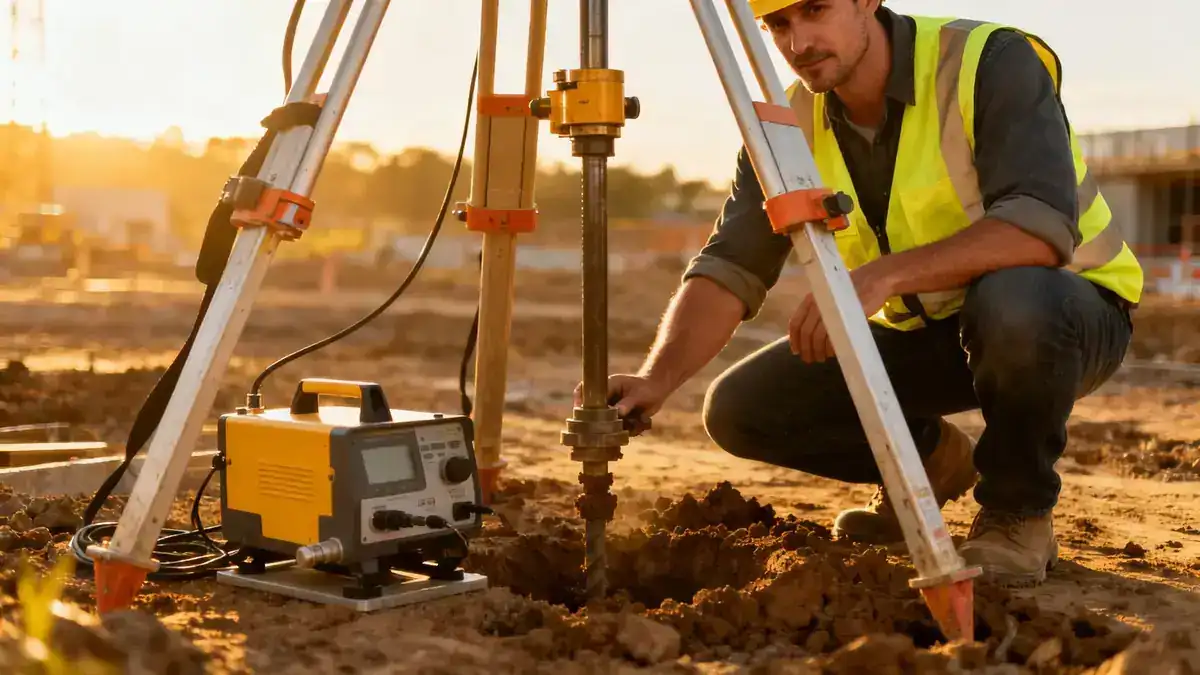
Our methodology for geotechnical engineering in Calgary integrates field exploration, laboratory testing, and numerical analysis. We utilize spt boring to assess soil strength and stratification, adhering to ASTM D1586 standards. Our in-house soil mechanics laboratory performs index property tests, including grain size distribution and Atterberg limits, to classify soils per the Unified Soil Classification System. For seismic considerations, we evaluate site response using ASCE 7 and local building codes. This systematic approach ensures reliable data for foundation design and slope stability assessments.
Reference Technical Parameters
| Parameter | Reference Value |
|---|---|
| Predominant soil type | Glacial till and lacustrine clay |
| Maximum seismic acceleration (PGA) | 0.2g to 0.4g (per NBCC 2020) |
| Typical groundwater level | 3–8 m below grade |
| Bedrock depth | 10–30 m (sandstone and shale) |
| Typical N60 range | 10–50 blows/0.3 m |
Local Considerations — Calgary
Calgary's geology is dominated by glacial till, with interbedded sands and gravels, and lacustrine clays in low-lying areas. Groundwater levels fluctuate seasonally, often perched within till layers. Seismic hazard is moderate, with peak ground accelerations up to 0.4g per NBCC 2020. Soil conditions vary significantly between the downtown core (thick till) and suburban developments (soft clays). Common challenges include expansive clays and collapsible sands. Our slope stability assessments address these risks for excavations and embankments. For retaining structures, we design with site-specific parameters, referencing Eurocode 7 for rigorous limit-state analysis.
Request a Quote
Our team reviews your project and issues an initial report at no cost.
Or write us directly at [email protected]
Services in Calgary
Locations covered in Calgary
Applicable Standards
- ASTM D1586 (Standard Penetration Test)
- ASCE 7 (Minimum Design Loads for Buildings)
- NBCC 2020 (National Building Code of Canada)
- BS 5930 (Code of Practice for Site Investigations)
- Eurocode 7 (Geotechnical Design)
Frequently Asked Questions
What are the typical soil types encountered in Calgary?
Calgary's subsurface predominantly consists of glacial till, a dense mixture of clay, silt, sand, and gravel. Lacustrine clay deposits are found in river valleys and lowlands. These soils exhibit variable engineering properties, requiring site-specific investigations for reliable foundation design.
How does seismic hazard affect geotechnical design in Calgary?
Calgary lies in a moderate seismic zone with peak ground accelerations up to 0.4g. Geotechnical engineers must evaluate site amplification effects, liquefaction potential in saturated sands, and lateral spreading. Compliance with NBCC 2020 seismic provisions is mandatory for all structures.
Are geotechnical investigations mandatory for construction in Calgary?
Yes, the City of Calgary requires geotechnical reports for building permits, especially for foundations on expansive soils or in areas with high groundwater. The reports must address soil bearing capacity, settlement, and seismic site classification per NBCC 2020.