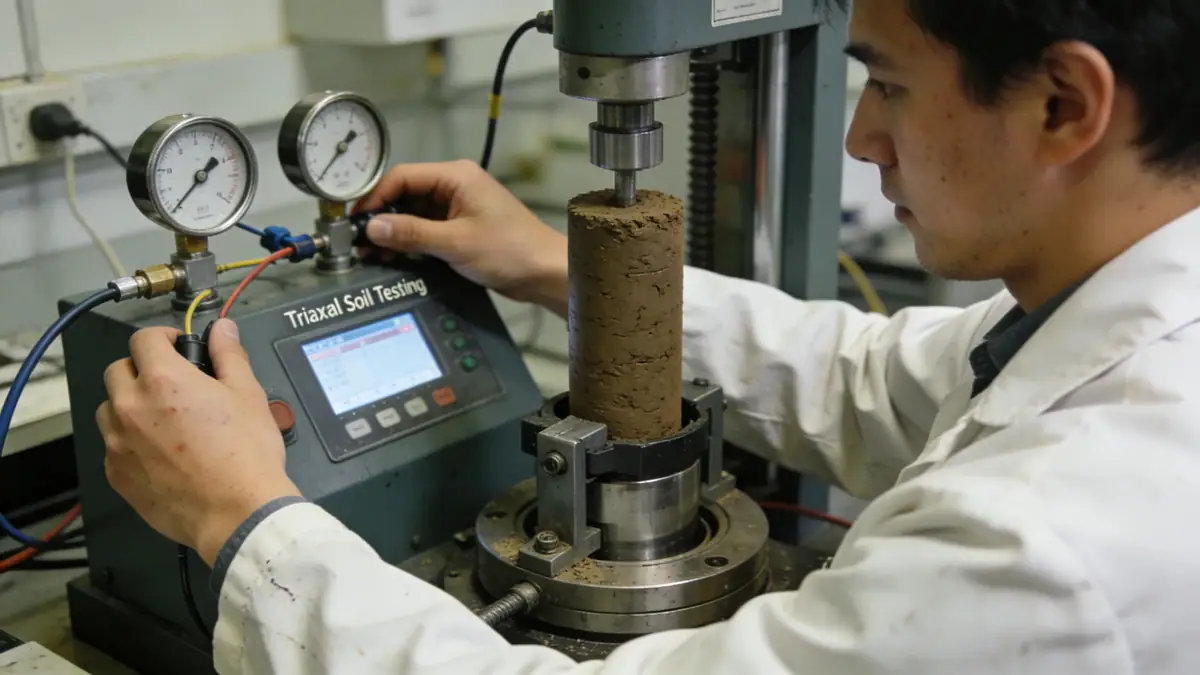
Methodology
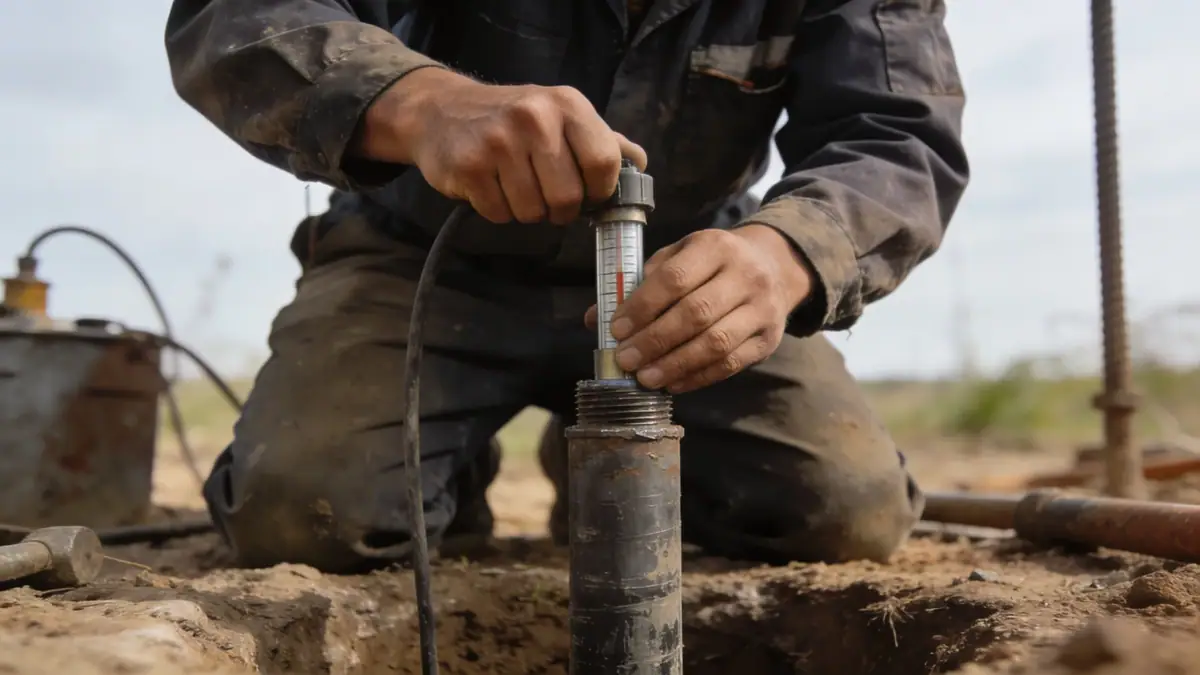
Our methodology for geotechnical engineering in Airdrie begins with a thorough review of existing geological maps and historical data. We then conduct field investigations including spt boring to characterize soil strata and collect disturbed and undisturbed samples. Laboratory testing follows ASTM D1586 for standard penetration tests and ASTM D6913 for grain size analysis. Data interpretation integrates local seismic considerations per ASCE 7-16 to develop site-specific design parameters. Our approach ensures that all recommendations are grounded in empirical evidence and tailored to Airdrie's subsurface conditions, minimizing uncertainty for foundation design and earthworks.
Reference Technical Parameters
| Parameter | Reference Value |
|---|---|
| Predominant soil type | Glacial till (sandy silt to silty clay with gravel) |
| Maximum seismic acceleration (PGA) | 0.08g to 0.12g (ASCE 7-16, Site Class C/D) |
| Typical groundwater level | 3–8 m below ground surface, seasonally variable |
| Bedrock depth | 10–30 m (sandstone and shale of Paskapoo Formation) |
| Typical N60 range (SPT) | 15–40 blows/300 mm in till; 5–15 in soft clay layers |
Local Considerations — Airdrie
Airdrie's geology is dominated by glacial till overlying sedimentary bedrock of the Paskapoo Formation, with localized clay and silt lenses. The water table is shallow in low-lying areas near Nose Creek, requiring dewatering considerations for excavations. Seismic hazard is moderate, with peak ground accelerations of 0.08–0.12g per the 2020 National Building Code of Canada (NBCC 2020). Developments in newer subdivisions like Windsong or Coopers Crossing may encounter variable till density, while older areas near Main Street have deeper weathered profiles. Our slope stability assessments are critical for sites adjacent to ravines or the creek corridor. For regional expertise, our team coordinates with geotechnical engineering en Calgary to align with broader geological trends.
Request a Quote
Our team reviews your project and issues an initial report at no cost.
Or write us directly at [email protected]
Services in Airdrie
Applicable Standards
- ASTM D1586 (Standard Penetration Test)
- ASCE 7-16 (Minimum Design Loads and Associated Criteria for Buildings and Other Structures)
- NBCC 2020 (National Building Code of Canada)
- ASTM D6913 (Particle-Size Distribution)
- Alberta Building Code 2019
Frequently Asked Questions
What soil types are commonly found in Airdrie?
Airdrie's soils are predominantly glacial till—a heterogeneous mixture of sand, silt, clay, and gravel. Localized deposits of lacustrine clay and silt exist near watercourses. The till is typically dense to very dense, offering good bearing capacity, but requires careful assessment for variable moisture content and potential collapse upon wetting.
How does seismic risk affect geotechnical design in Airdrie?
Airdrie lies in a moderate seismic zone per NBCC 2020, with PGA values of 0.08–0.12g. Site-specific seismic hazard analysis is recommended for critical structures. Liquefaction potential is low due to the predominantly cohesive till, but loose sandy lenses may require mitigation. Foundation design must account for seismic site class (C or D) and possible amplification.
Are geotechnical investigations mandatory for construction in Airdrie?
While not always legally required for single-family homes, the Alberta Building Code and local bylaws often mandate geotechnical reports for commercial, multi-family, and infrastructure projects. Lenders and insurers may also require them. Our firm recommends a site investigation for any project to mitigate unforeseen soil conditions and ensure structural safety.