Methodology
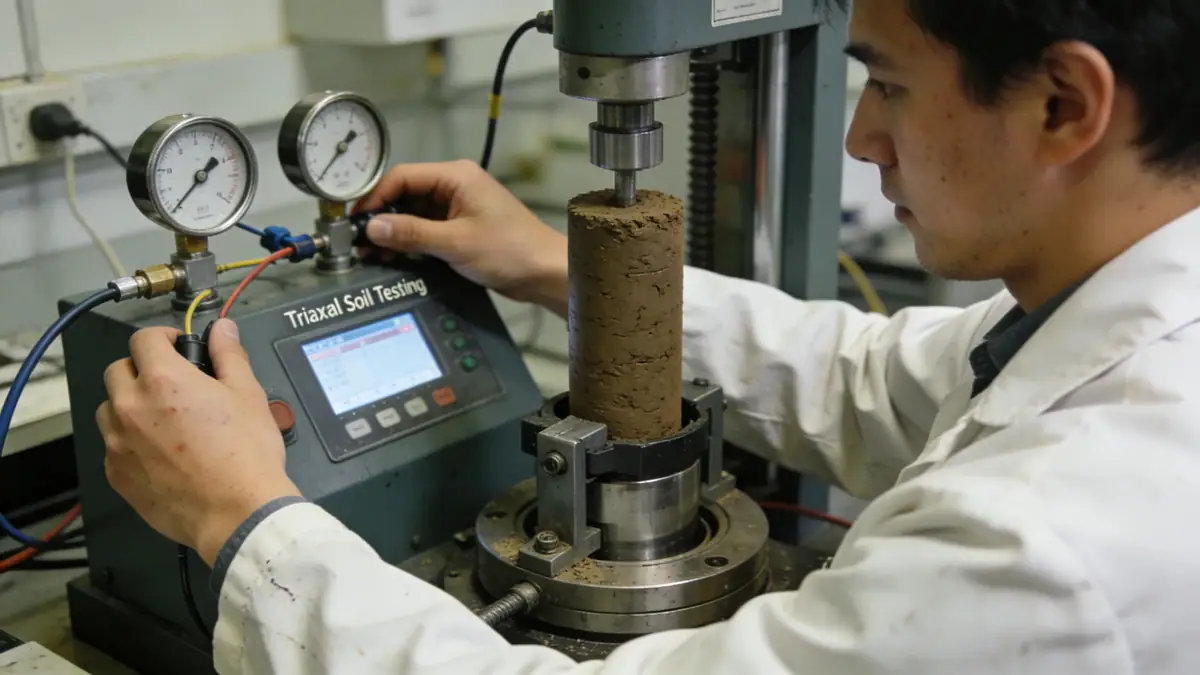
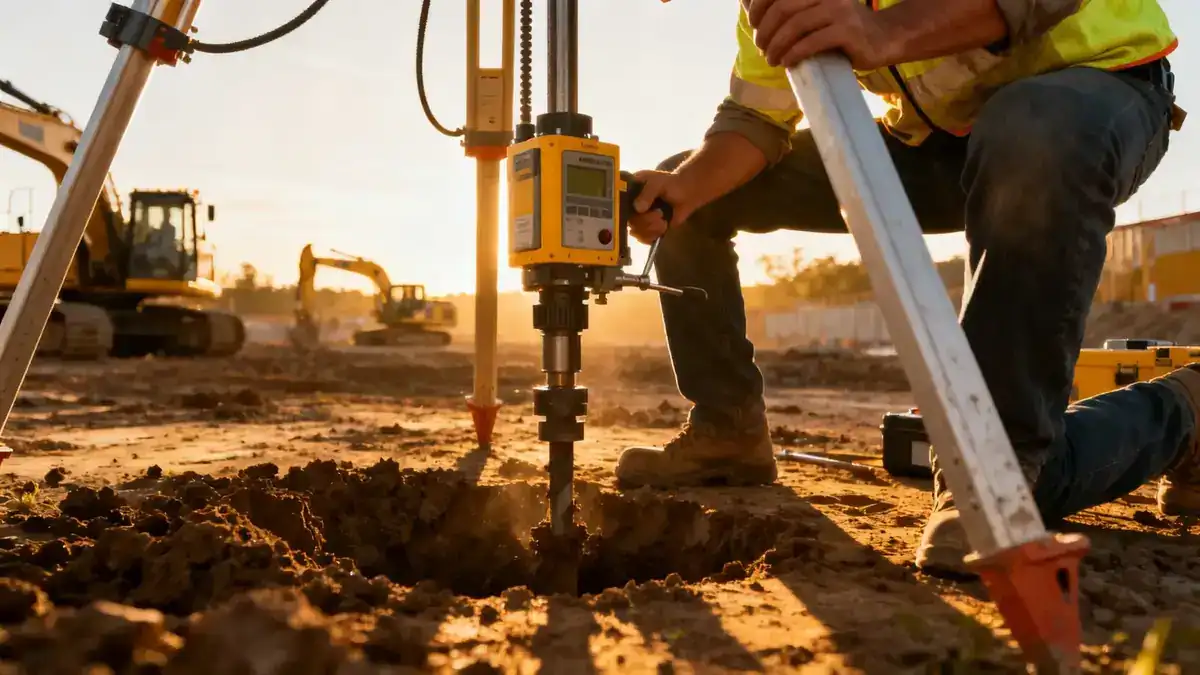
Our firm employs a systematic site investigation approach tailored to Winnipeg's geological conditions. We begin with a comprehensive desk study of existing borehole records and geological maps, followed by field programs that include spt boring to obtain disturbed and undisturbed samples at 1.5 m intervals per ASTM D1586. In clay strata, we supplement with field vane shear tests to measure undrained shear strength. All samples are transported to our soil mechanics laboratory for classification, consolidation, and triaxial testing. Our methodology integrates geotechnical analysis with local building code requirements, delivering reliable parameters for foundation design, slope stability assessments, and retaining wall design.
Reference Technical Parameters
| Parameter | Reference Value |
|---|---|
| Predominant soil type | Highly plastic lacustrine clay (CH) |
| Maximum seismic acceleration (PGA) | 0.15–0.20 g (2020 NBCC) |
| Typical groundwater level | 1–3 m below ground surface |
| Bedrock depth | Variable, > 30 m (shale or limestone) |
| Typical N60 range (clay) | 0–10 blows/ft (soft to firm clay) |
Local Considerations — Winnipeg
Winnipeg's expansive clay soils undergo significant volume changes with moisture variation, necessitating careful foundation design and moisture control during construction. The shallow water table requires dewatering considerations for excavations deeper than 2 m. Seismic design follows NBCC 2020, with Site Class D (stiff soil) typical for most areas. Newer subdivisions on the periphery (e.g., Sage Creek, Bridgwater) often encounter more variable soil conditions, including peat lenses and organic silts, requiring additional testing. Our team routinely performs soil mechanics laboratory testing to determine swelling potential, consolidation characteristics, and shear strength parameters essential for foundation design in these challenging conditions.
Request a Quote
Our team reviews your project and issues an initial report at no cost.
Or write us directly at [email protected]
Services in Winnipeg
Locations covered in Winnipeg
Applicable Standards
- National Building Code of Canada (NBCC) 2020
- ASTM D1586 – Standard Test Method for Standard Penetration Test (SPT)
- ASTM D2487 – Classification of Soils for Engineering Purposes (USCS)
- Canadian Foundation Engineering Manual (CFEM) 5th Edition
Frequently Asked Questions
What are the typical soil types encountered in Winnipeg?
The predominant soil is highly plastic lacustrine clay (CH) deposited by glacial Lake Agassiz, extending to depths of 10–20 m. Underlying these clays are glacial tills and, at greater depths, shale or limestone bedrock. Localized organic deposits and peat are also found in some areas.
Is seismic design required for buildings in Winnipeg?
Yes, according to the 2020 National Building Code of Canada, Winnipeg falls within a moderate seismic hazard zone with a peak ground acceleration (PGA) of 0.15–0.20 g. Seismic design is mandatory for most structures, and site-specific geotechnical investigations are recommended to determine site class effects.
When is a geotechnical investigation mandatory in Winnipeg?
Geotechnical investigations are required for all buildings exceeding three storeys, structures with significant loads, or projects on sites with known soil issues (e.g., expansive clays, high water table). The City of Winnipeg also mandates subsurface studies for subdivisions and infrastructure projects to ensure public safety.