Methodology
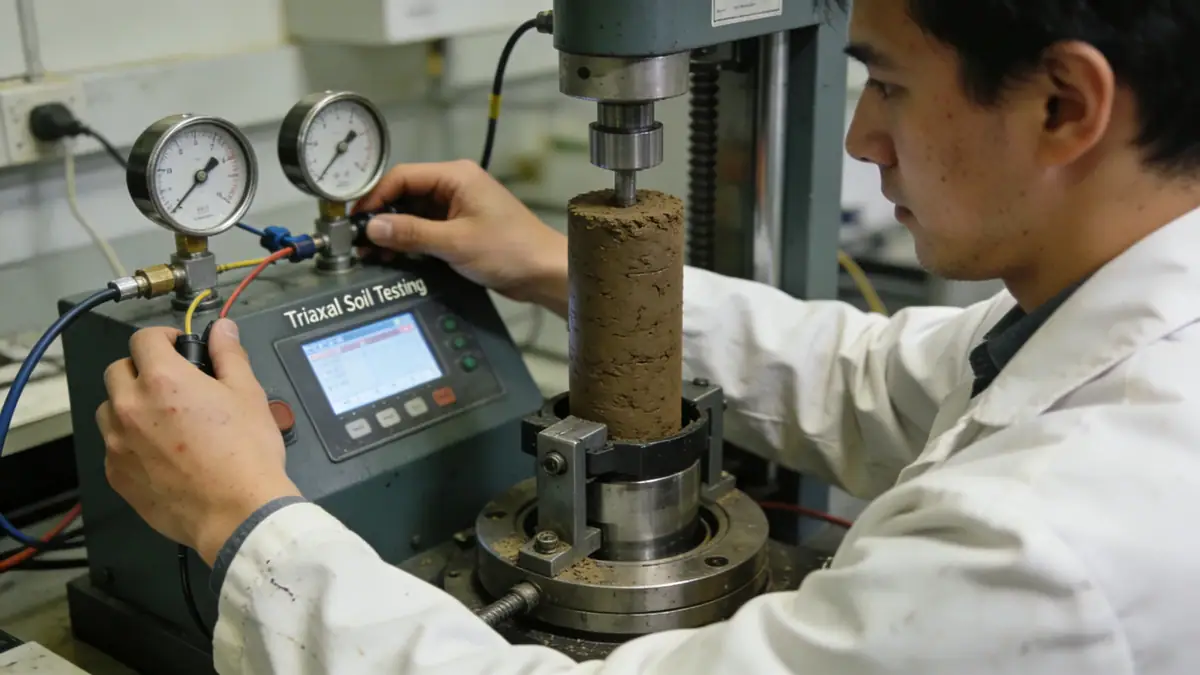
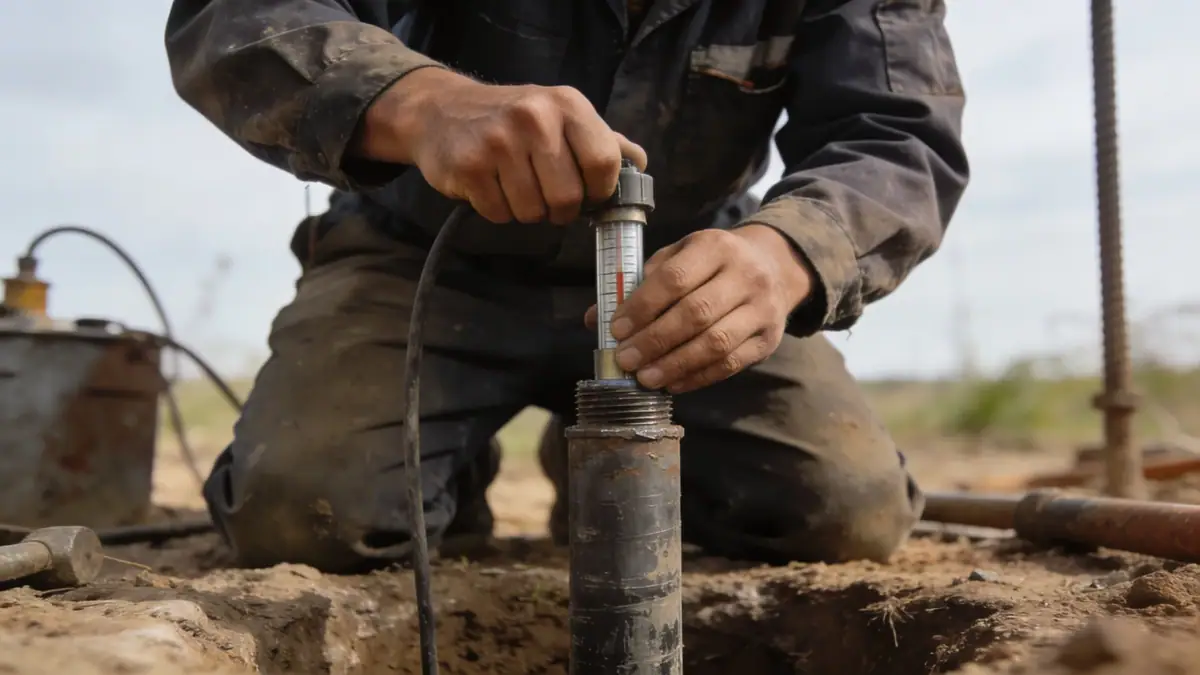
Our methodology for geotechnical engineering in Halifax begins with a detailed desk study of published geological maps and previous borehole records. We then conduct field programs including test pits and boreholes with standard penetration testing (ASTM D1586) to characterize subsurface conditions. Soil samples are subjected to laboratory classification (grain size, Atterberg limits) and strength testing (direct shear, unconfined compression). For seismic design, we evaluate site class per NBCC 2020 using shear wave velocity measurements. Our integrated approach ensures that foundation recommendations, slope stability analyses, and retaining wall designs are based on site-specific data. For example, our spt boring services provide continuous N60 profiles critical for bearing capacity estimation.
Reference Technical Parameters
| Parameter | Reference Value |
|---|---|
| Predominant soil type | Glacial till (silty sand with gravel), underlying bedrock (slate, quartzite) |
| Maximum seismic acceleration (PGA) | 0.15–0.25 g (NBCC 2020 Site Class C) |
| Typical groundwater level | 2–5 m below grade, variable seasonally |
| Bedrock depth | 5–20 m in valley areas; outcrops in elevated zones |
| Typical N60 range | 10–50 blows/ft (till); 4–15 blows/ft (soft clay pockets) |
Local Considerations — Halifax
Halifax's subsurface is dominated by glacial till overlying folded sedimentary and metamorphic bedrock. Five key considerations for geotechnical engineering in Halifax include: (1) Variable till thickness—drumlin areas have deeper soil, while bedrock outcrops are common in the peninsula. (2) Groundwater is typically shallow (2–5 m), requiring dewatering considerations for excavations. (3) Seismic hazard is moderate (PGA 0.15–0.25 g), with site class C prevalent. (4) Contrast between developed downtown areas (fill, utilities) and suburban greenfields (undisturbed till). (5) Typical foundation challenges include bearing capacity in soft clay pockets and rock excavation costs. Our team leverages soil mechanics laboratory testing to refine parameters for each site.
Request a Quote
Our team reviews your project and issues an initial report at no cost.
Or write us directly at [email protected]
Services in Halifax
Locations covered in Halifax
Applicable Standards
- ASTM D1586 (Standard Penetration Test)
- NBCC 2020 (National Building Code of Canada, seismic provisions)
- ASTM D2487 (Unified Soil Classification System)
- ASTM D3080 (Direct Shear Test)
- ASTM D2435 (One-Dimensional Consolidation)
- Nova Scotia Building Code Regulations
Frequently Asked Questions
What are the typical soil conditions in Halifax for foundation design?
Halifax soils are predominantly glacial till—a dense mixture of sand, silt, gravel, and clay—overlying bedrock (slate, quartzite, or granite). In low-lying areas, soft marine clay pockets may be present. Groundwater is often encountered at 2–5 m depth. These conditions require careful bearing capacity analysis and sometimes deep foundations or rock anchoring.
What seismic design considerations apply to Halifax?
Halifax is in a moderate seismic zone per NBCC 2020, with a peak ground acceleration (PGA) of 0.15–0.25 g for Site Class C. Geotechnical reports must determine site class (typically C or D) via shear wave velocity or N60 correlations. Seismic liquefaction potential is low due to dense till, but soft clay sites warrant evaluation.
Are geotechnical studies mandatory for construction in Halifax?
Yes, the Nova Scotia Building Code requires a geotechnical investigation for most buildings, especially those with foundations on fill, slopes, or in areas with variable soil conditions. A qualified geotechnical engineer must provide recommendations for bearing capacity, settlement, and seismic design. Local municipalities may also require reports for permits.