Methodology

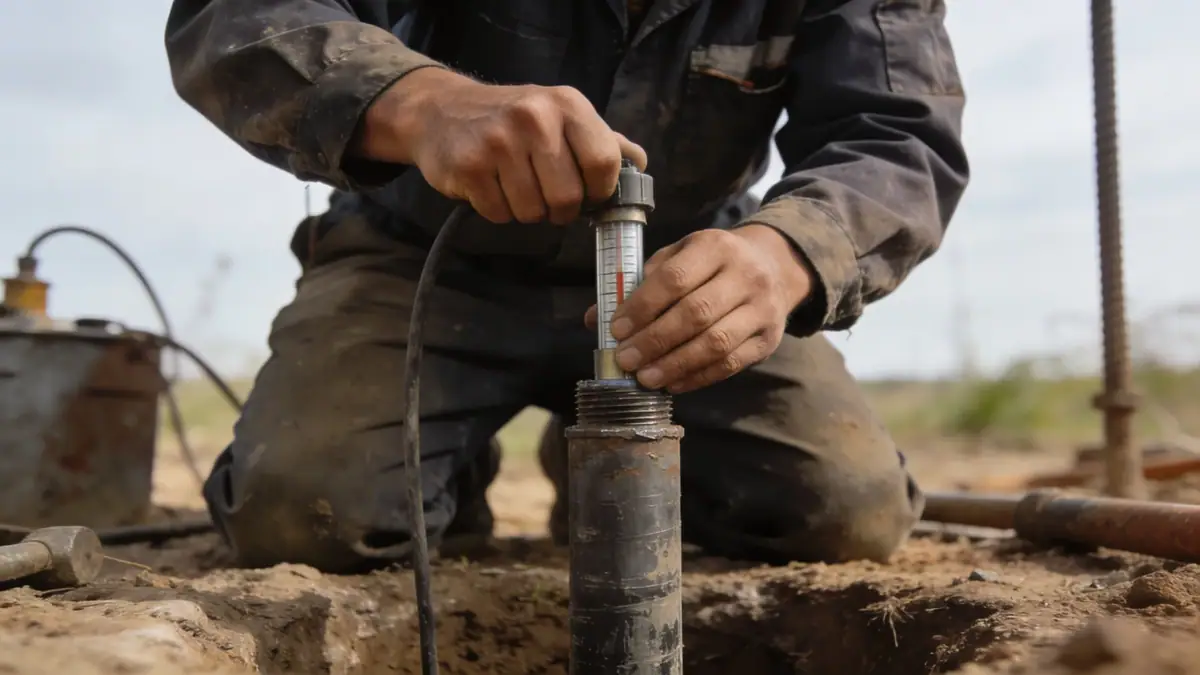
Our approach in Saint John NB begins with a review of available geological maps and previous subsurface data. We then design a site investigation program using spt boring to characterize soil strata and obtain undisturbed samples for laboratory testing. Standard Penetration Tests (SPT) per ASTM D1586 are performed at 1.5 m intervals, with N60 values typically ranging from 5 to 30 in till deposits. Groundwater monitoring wells are installed to assess seasonal fluctuations. Laboratory tests include grain size analysis, Atterberg limits, and direct shear strength determination to support foundation and slope stability analyses.
Reference Technical Parameters
| Parameter | Reference Value |
|---|---|
| Predominant soil type | Glacial till (silty sand with gravel) |
| Maximum seismic acceleration (PGA) | 0.2g (NBCC 2020 Seismic Zone 2) |
| Typical groundwater level | 2 to 5 m below ground surface |
| Bedrock depth | 5 to 30 m, variable across city |
| Typical N60 range | 10 to 30 in till, 5 to 15 in clay |
Local Considerations — Saint John Nb
Saint John's geology is dominated by Pleistocene glacial till, with localized marine clay deposits in low-lying areas. Key considerations include: (1) variable bedrock depth, from shallow (5 m) in Uptown to deep (30 m) in Millidgeville; (2) groundwater levels at 2–5 m depth, requiring dewatering plans; (3) seismic PGA of 0.2g per NBCC 2020, influencing foundation design; (4) soft clay layers in areas like the Lower West Side, posing settlement risks; (5) typical projects include residential subdivisions and commercial buildings. For regional insights, refer to our geotechnical engineering services in Halifax.
Request a Quote
Our team reviews your project and issues an initial report at no cost.
Or write us directly at [email protected]
Services in Saint John Nb
Applicable Standards
- ASTM D1586 (Standard Penetration Test)
- NBCC 2020 (Seismic provisions)
- CSA A23.3 (Concrete design)
- ASTM D2487 (Soil classification)
Frequently Asked Questions
What are the typical soil conditions in Saint John NB?
Soils are predominantly glacial till (silty sand with gravel), with localized marine clay deposits. Bedrock depth ranges from 5 to 30 m. Groundwater is typically encountered at 2–5 m depth. These conditions require careful evaluation for foundation design and slope stability.
Is seismic design required for buildings in Saint John NB?
Yes. Saint John is in NBCC 2020 seismic zone 2, with a peak ground acceleration of 0.2g. All new buildings must consider seismic loads. Our geotechnical reports provide site-specific PGA and soil classification for structural design per ASCE 7 and CSA standards.
Are geotechnical studies mandatory for construction in Saint John?
While not always mandatory for small residential projects, geotechnical studies are strongly recommended and often required for commercial buildings, subdivisions, and infrastructure. Local bylaws may mandate subsurface investigations for permits, especially in areas with known soil variability.