Methodology
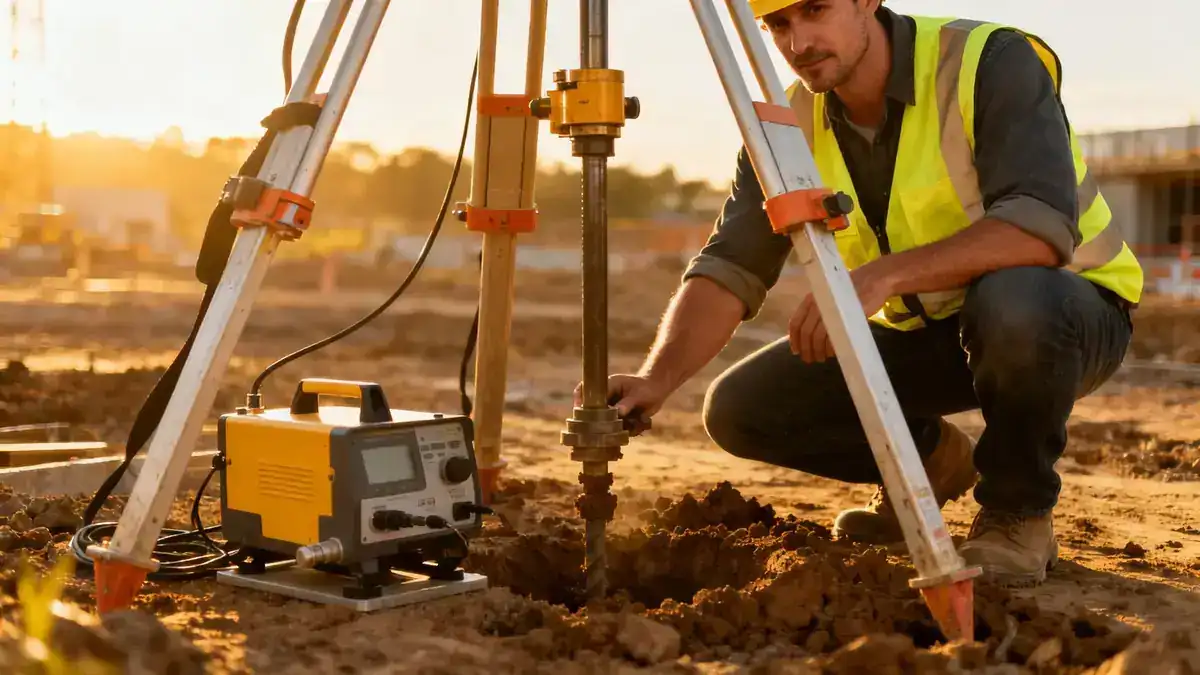
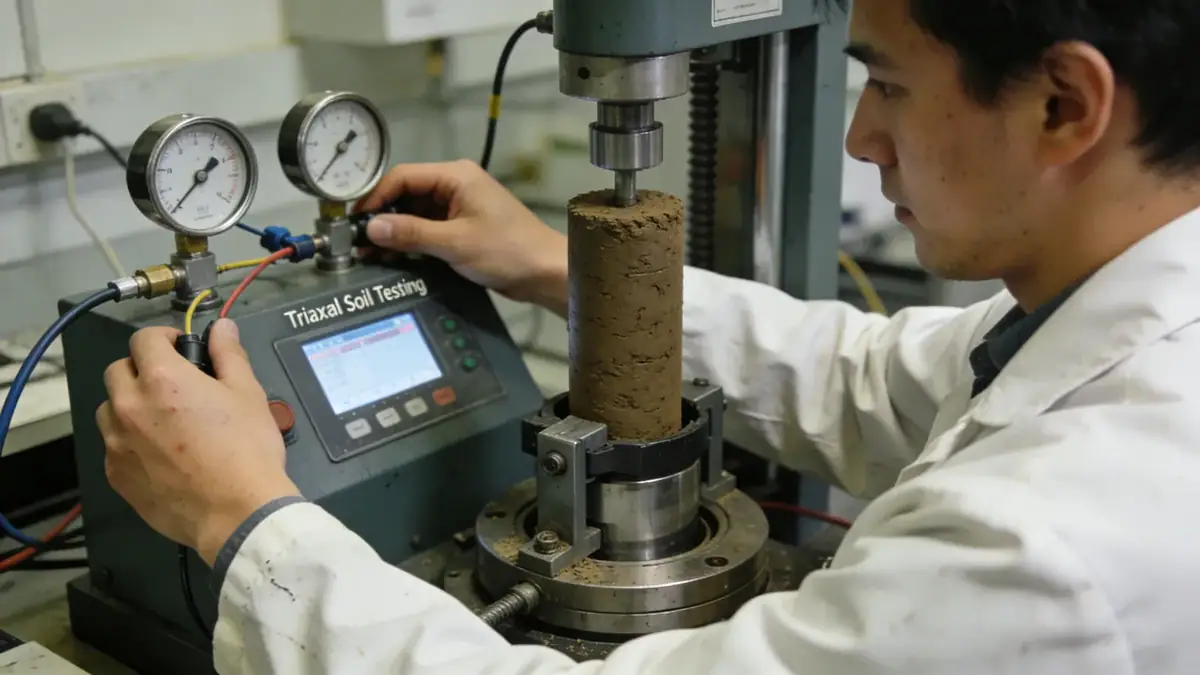
Our methodology for geotechnical engineering projects in Edmonton begins with a thorough review of existing geological maps and previous site data. We then conduct field investigations, including spt boring to obtain soil samples and measure penetration resistance at regular intervals. Laboratory testing, such as index properties and strength tests, follows ASTM standards. Our team analyzes the data to develop soil profiles and parameters for foundation design, slope stability, and earthworks. We incorporate local groundwater conditions and seismic considerations per the National Building Code of Canada. This systematic approach ensures reliable recommendations for each site.
Reference Technical Parameters
| Parameter | Reference Value |
|---|---|
| Predominant soil type | Glacial till and glaciolacustrine clay |
| Maximum seismic acceleration (PGA) | 0.10g to 0.20g (NBCC 2020) |
| Typical groundwater level | 3 to 10 m below ground surface |
| Bedrock depth | 20 to 60 m (Cretaceous shale) |
| Typical N60 range | 10 to 40 blows/300 mm (till) |
Local Considerations — Edmonton
Edmonton's subsurface is dominated by glacial till and glaciolacustrine deposits, which can vary significantly across the city. The presence of buried channels and old river valleys creates localized variations in soil type and depth to bedrock. Groundwater levels are generally deep but can be elevated near the North Saskatchewan River valley. Seismic hazard is moderate, with peak ground accelerations up to 0.20g per NBCC 2020. Our team adapts investigation techniques, such as soil mechanics laboratory testing, to characterize these conditions. Common issues include expansive clay behavior and variable till density, requiring careful evaluation for foundation design.
Request a Quote
Our team reviews your project and issues an initial report at no cost.
Or write us directly at [email protected]
Services in Edmonton
Locations covered in Edmonton
Applicable Standards
- ASTM D1586
- National Building Code of Canada 2020
- Alberta Building Code 2019
- Canadian Foundation Engineering Manual
Frequently Asked Questions
What are the typical soil conditions in Edmonton?
Edmonton's soils are primarily glacial till and glaciolacustrine clay, with variable sand and gravel lenses. The till is dense and provides good bearing capacity, but clay layers can be expansive. Depth to bedrock (Cretaceous shale) ranges from 20 to 60 m.
Is seismic design required in Edmonton?
Yes, Edmonton is in a moderate seismic zone per NBCC 2020, with PGA values of 0.10g to 0.20g. Site-specific seismic hazard analysis is recommended for important structures, and soil amplification effects must be considered.
Are geotechnical studies mandatory for construction in Edmonton?
While not always legally required for all projects, most municipalities and lending institutions require geotechnical reports for building permits, especially for commercial and multi-family developments. The Alberta Building Code references site characterization.