Methodology
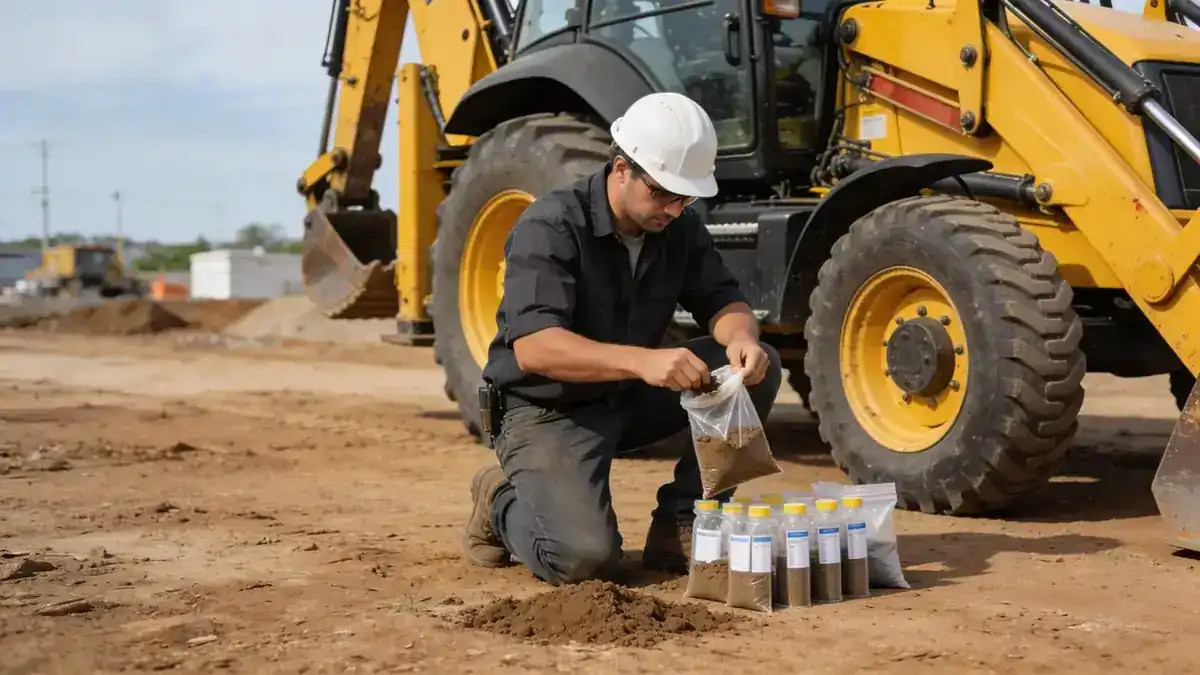
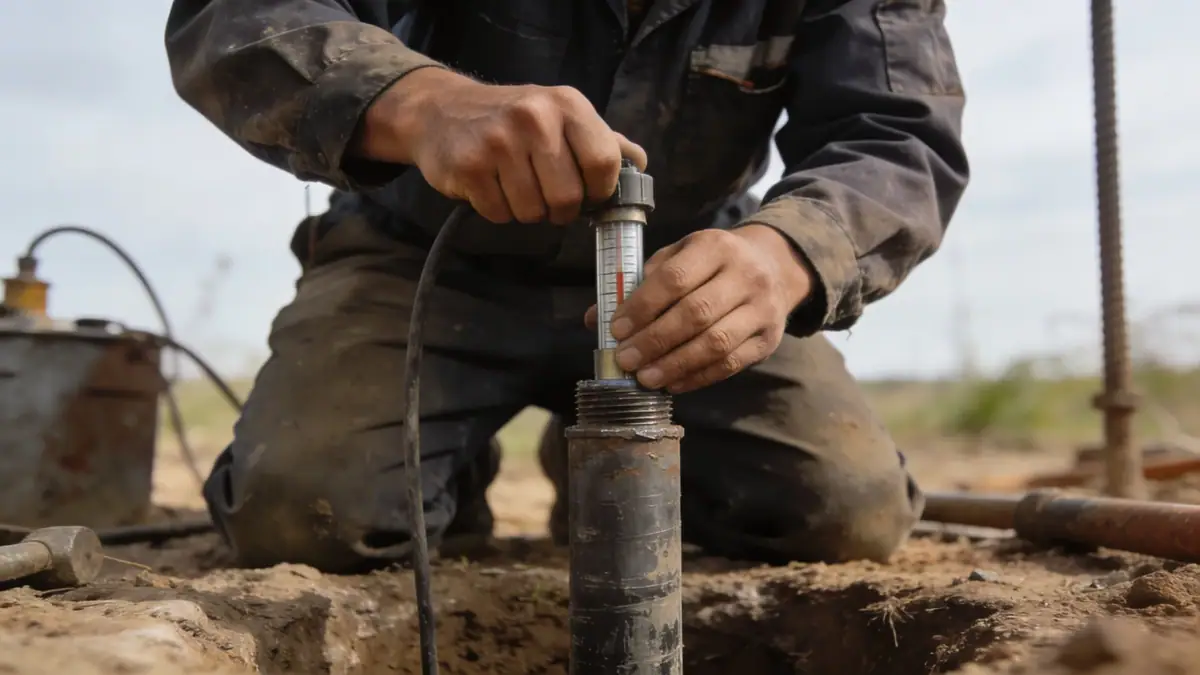
Our methodology in Saskatoon begins with a thorough desk study of regional geology and existing borehole records. We then conduct field investigations using spt boring to obtain soil samples and measure penetration resistance. Laboratory testing follows ASTM standards to classify soils and determine engineering properties. This integrated approach allows us to develop site-specific recommendations for foundations and earthworks, accounting for the variable till and potential for sulfate attack on concrete.
Reference Technical Parameters
| Parameter | Reference Value |
|---|---|
| Predominant soil type | Glacial till (clay, silt, sand, gravel) |
| Maximum seismic acceleration (PGA) | 0.08g (NBCC 2020) |
| Typical groundwater level | 3-6 m below surface |
| Bedrock depth | 50-100 m (Cretaceous shale) |
| Typical N60 range | 15-40 blows/0.3m |
Local Considerations — Saskatoon
Saskatoon's geology is dominated by glacial till overlying Cretaceous bedrock. The till is highly variable, with cobbles and boulders that can impede drilling. Expansive clays in some areas cause foundation movement. The water table is shallow in river valleys, requiring dewatering for excavations. Seismic hazard is low, but site-specific assessments follow NBCC 2020. For a comparison with similar prairie conditions, see geotechnical engineering en Edmonton.
Request a Quote
Our team reviews your project and issues an initial report at no cost.
Or write us directly at [email protected]
Services in Saskatoon
Applicable Standards
- National Building Code of Canada (NBCC) 2020
- ASTM D1586 (Standard Penetration Test)
- ASTM D2487 (Unified Soil Classification System)
- CSA A23.1 (Concrete materials for sulfate resistance)
Frequently Asked Questions
What are the typical soil conditions in Saskatoon?
Most of Saskatoon is underlain by glacial till, a heterogeneous mixture of clay, silt, sand, and gravel. Deposits can include cobbles and boulders. In river valley areas, alluvial sands and silts are present. Expansive clay soils are also encountered in some neighbourhoods.
Is a geotechnical investigation required for a house in Saskatoon?
While not mandatory for all single-family homes, most municipalities recommend or require a geotechnical report for new constructions, particularly in areas with variable subsoil conditions. It helps design appropriate foundations and mitigate risks from expansive soils or shallow groundwater.
What seismic design considerations apply in Saskatoon?
Saskatoon is in a low seismic zone per NBCC 2020, with a peak ground acceleration of 0.08g. However, site-specific seismic hazard analysis may be required for critical structures. Soil amplification effects from thick clay deposits should be evaluated.