Methodology
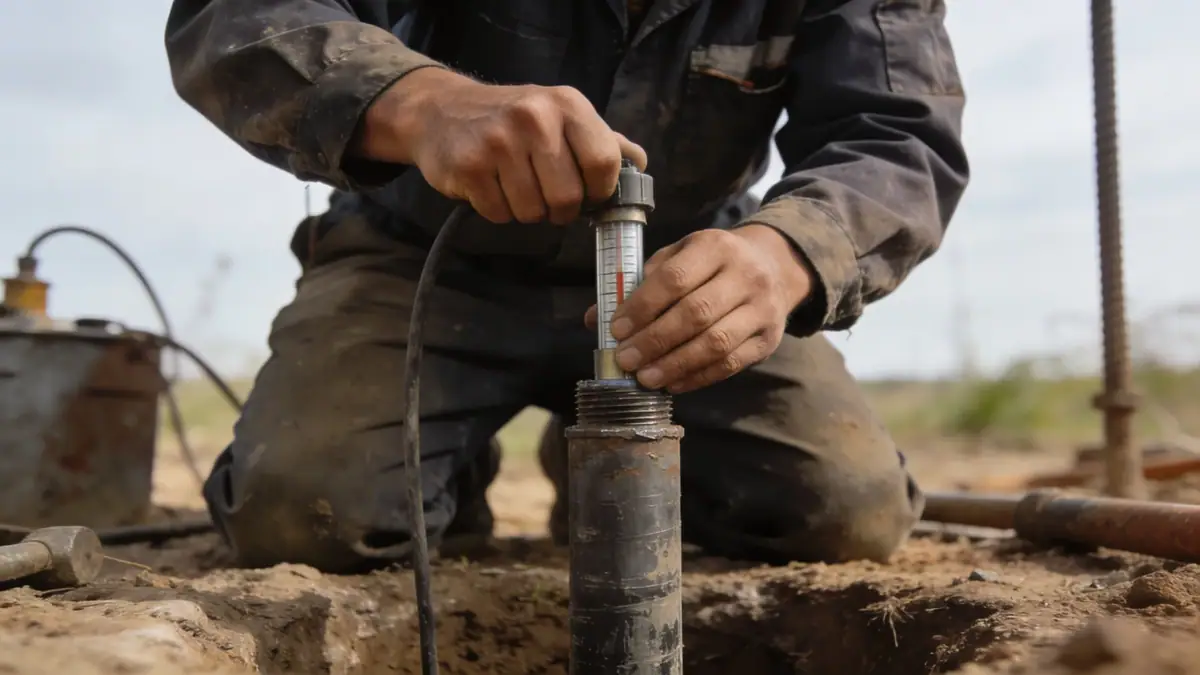
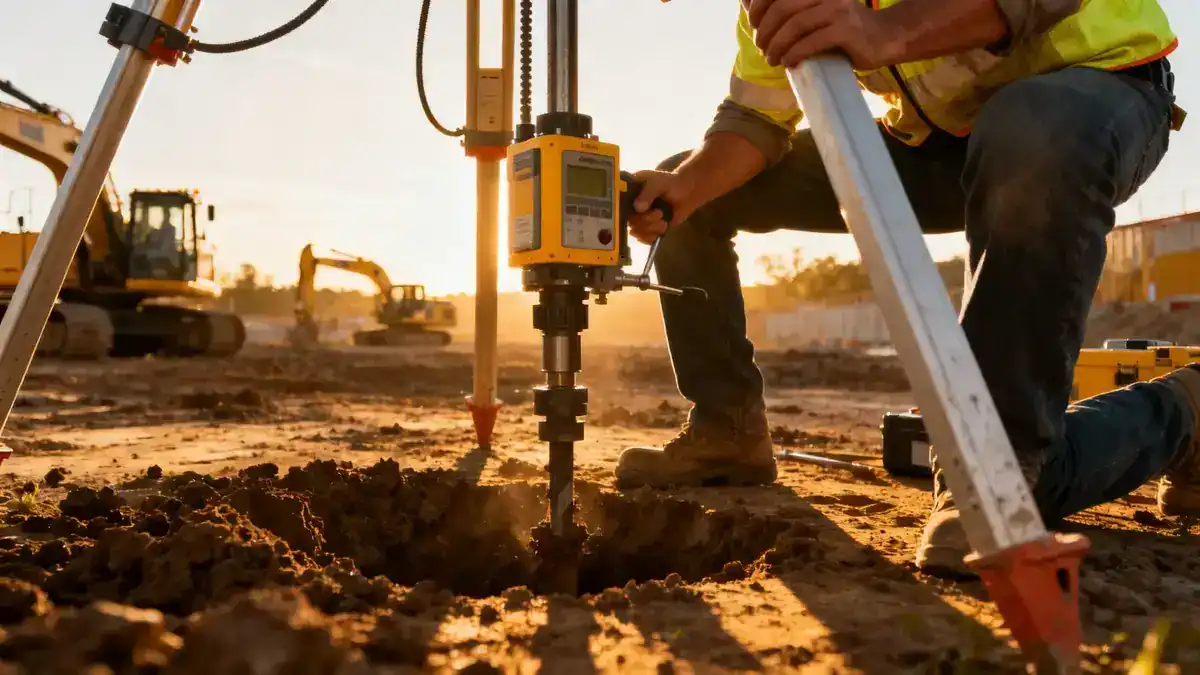
Our methodology for geotechnical engineering in St Albert Alberta begins with a comprehensive desk study of regional geology and historical data. We then conduct field investigations, including spt boring to obtain soil samples and measure N60 values at depth intervals of 1.0 to 1.5 meters per ASTM D1586. Laboratory testing follows, with classification tests such as grain size analysis (ASTM D6913) and Atterberg limits (ASTM D4318) to characterize soil behavior. Our approach integrates these results with site-specific seismic considerations under the Alberta Building Code, which references the 2020 National Building Code of Canada. This systematic process delivers reliable data for foundation design and earthworks in St Albert Alberta.
Reference Technical Parameters
| Parameter | Reference Value |
|---|---|
| Predominant soil type | Glacial till with clay and silt lenses |
| Maximum seismic acceleration (PGA) | 0.05g to 0.10g (NBCC 2020) |
| Typical groundwater level | 1.5 to 3.0 m below grade in river valley; deeper in uplands |
| Bedrock depth | 20 to 40 m (Cretaceous shales and sandstones) |
| Typical N60 range | 10 to 30 blows per 300 mm in till |
Local Considerations — St Albert Alberta
St Albert Alberta sits on a complex glacial geology with till plains, outwash deposits, and alluvial sediments along the Sturgeon River. The river valley presents challenges such as soft clays and high groundwater, requiring specialized foundation solutions. Conversely, the upland areas offer more competent soils but may contain expansive clays. Seismic hazard is low to moderate, with peak ground acceleration up to 0.10g per NBCC 2020, necessitating site-specific response spectra for critical structures. Our team addresses these conditions through tailored investigations, referencing local experience from projects in Edmonton. For broader context, see our geotechnical engineering en Edmonton services. We also apply soil mechanics laboratory testing to refine soil parameters for St Albert Alberta sites.
Request a Quote
Our team reviews your project and issues an initial report at no cost.
Or write us directly at [email protected]
Services in St Albert Alberta
Applicable Standards
- National Building Code of Canada 2020 (NBCC 2020)
- Alberta Building Code 2023
- ASTM D1586 (Standard Test Method for Standard Penetration Test)
- ASTM D4318 (Standard Test Methods for Liquid Limit, Plastic Limit, and Plasticity Index of Soils)
- CSA A23.3 (Design of Concrete Structures)
Frequently Asked Questions
What types of soil are commonly found in St Albert Alberta?
St Albert Alberta features glacial till with clay, silt, sand, and gravel lenses. In the Sturgeon River valley, alluvial deposits of soft clay and silt are common, while upland areas have denser till with lower groundwater levels.
Are geotechnical studies required for residential construction in St Albert Alberta?
The Alberta Building Code mandates geotechnical investigations for buildings on soils with variable bearing capacity or in floodplain areas. For typical residential projects, a study is recommended to confirm soil bearing capacity and mitigate risks from expansive clays or groundwater.
What seismic considerations apply to St Albert Alberta?
St Albert Alberta falls under NBCC 2020 seismic hazard category with PGA of 0.05g to 0.10g. Site-specific analysis is required for post-disaster buildings or structures on soft soils, as per the Alberta Building Code.