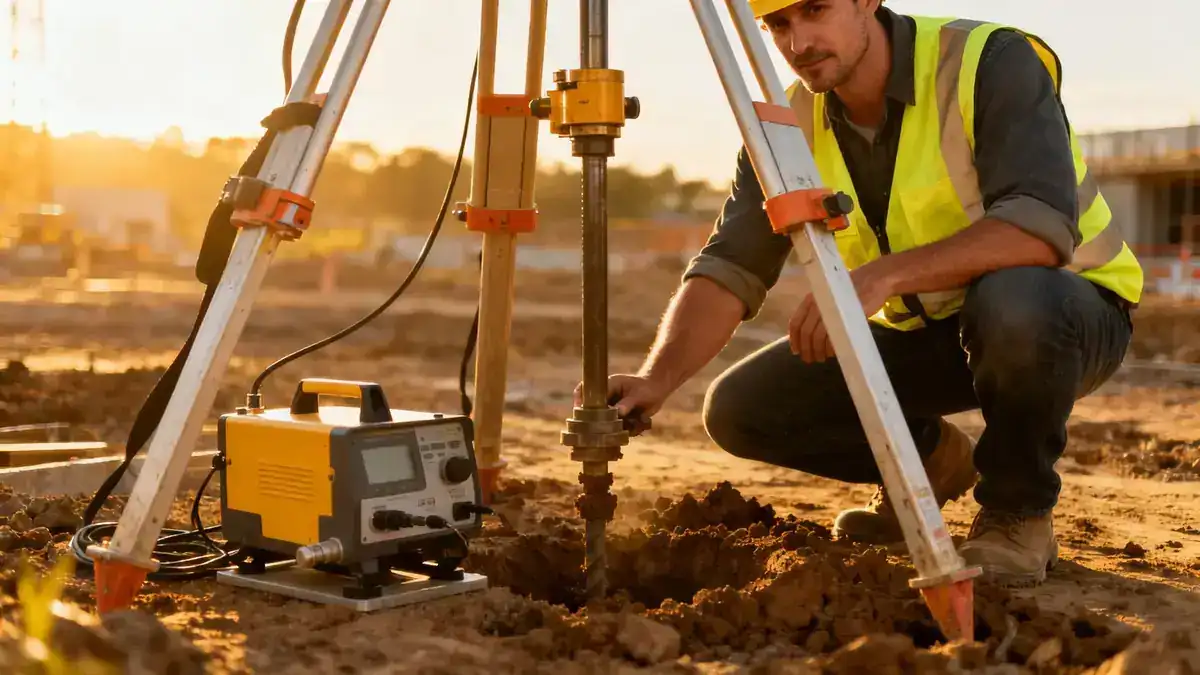
Methodology
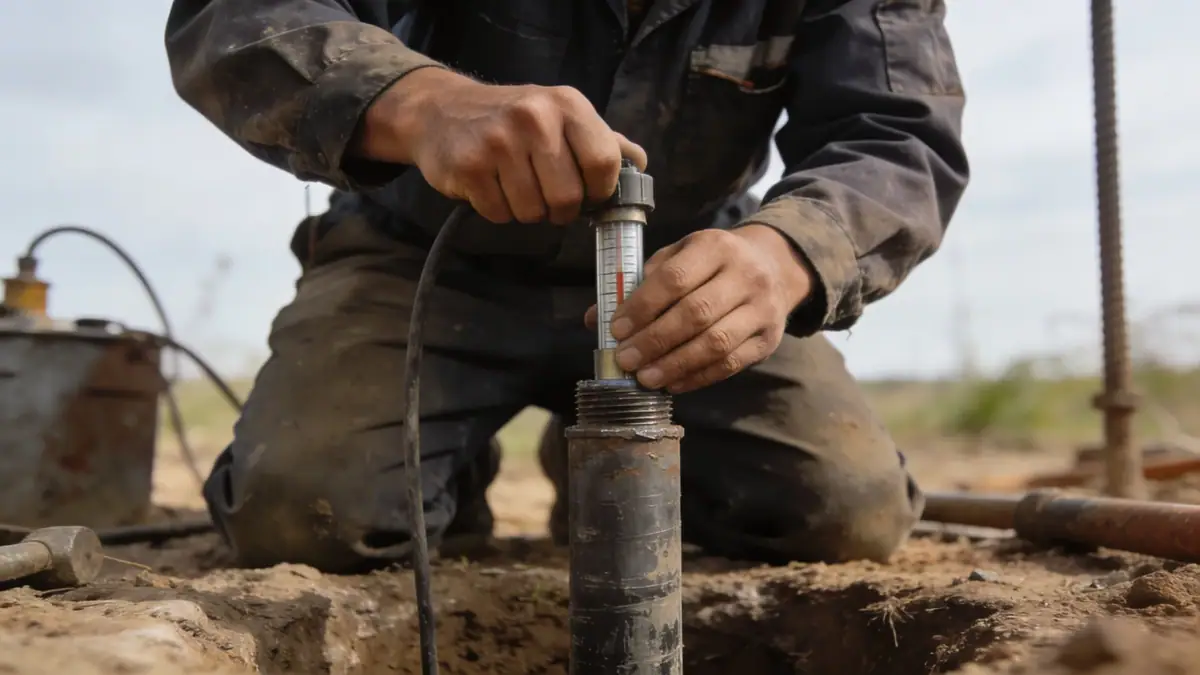
Our methodology for geotechnical engineering in Cape Breton follows a phased approach: desk study, field investigation, laboratory testing, and analysis. We perform spt boring in accordance with ASTM D1586, sampling at 1.5 m intervals to obtain N60 values and undisturbed samples. Groundwater levels are monitored during drilling. Laboratory testing includes grain size distribution (ASTM D6913), Atterberg limits (ASTM D4318), and direct shear (ASTM D3080). For slope stability and retaining wall design, we analyze shear strength parameters and apply limit equilibrium methods. This comprehensive approach ensures robust foundation and earthwork designs for Cape Breton's variable geology.
Reference Technical Parameters
| Parameter | Reference Value |
|---|---|
| Predominant soil type | Glacial till, alluvial sand, and clay |
| Maximum seismic acceleration (PGA) | 0.15 g (NBCC 2020, Site Class C) |
| Typical groundwater level | 1.5–4.0 m below ground surface |
| Bedrock depth | 3–20 m (Carboniferous sandstone) |
| Typical N60 range | 10–40 blows/0.3 m |
Local Considerations — Cape Breton
Cape Breton's geology is dominated by glacial till overlying Carboniferous sedimentary rocks, with localized alluvial deposits along river valleys. Seismic hazard is moderate (PGA 0.15 g per NBCC 2020), requiring site-specific response analysis for critical structures. Groundwater levels are shallow near coastal areas and riverbeds, complicating excavation and foundation design. In urban centers like Sydney, fill and organic soils are common, demanding careful compaction and settlement analysis. Our team coordinates with local authorities and references our soil mechanics laboratory data to address these challenges. For region-wide context, we collaborate with our geotechnical engineering en Halifax office to ensure consistency across Nova Scotia.
Request a Quote
Our team reviews your project and issues an initial report at no cost.
Or write us directly at [email protected]
Services in Cape Breton
Applicable Standards
- ASTM D1586
- National Building Code of Canada (NBCC) 2020
- CSA A23.3 (Concrete Design)
- Canadian Foundation Engineering Manual (CFEM)
Frequently Asked Questions
What are the typical soil types encountered in Cape Breton?
Cape Breton predominantly features glacial till, with variable amounts of sand, silt, clay, and cobbles. Alluvial deposits occur in valley bottoms, and bedrock—mostly Carboniferous sandstone—is encountered at depths of 3 to 20 m.
Is seismic design required for projects in Cape Breton?
Yes, the NBCC 2020 assigns a peak ground acceleration of 0.15 g for Cape Breton, corresponding to moderate seismicity. Site-specific seismic hazard analysis is recommended for essential or high-risk structures to account for local soil amplification.
Are geotechnical investigations mandatory for residential construction in Cape Breton?
While not always mandatory, geotechnical investigations are strongly advised for residential projects, especially on sloped lots or where groundwater is shallow. They help prevent foundation settlement, slope failure, and drainage issues.