Methodology
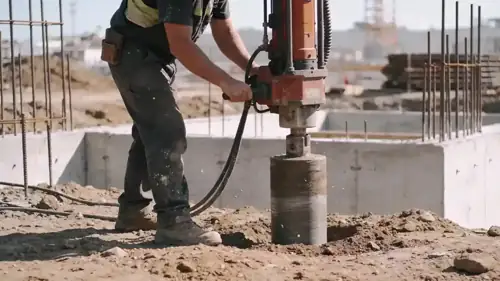
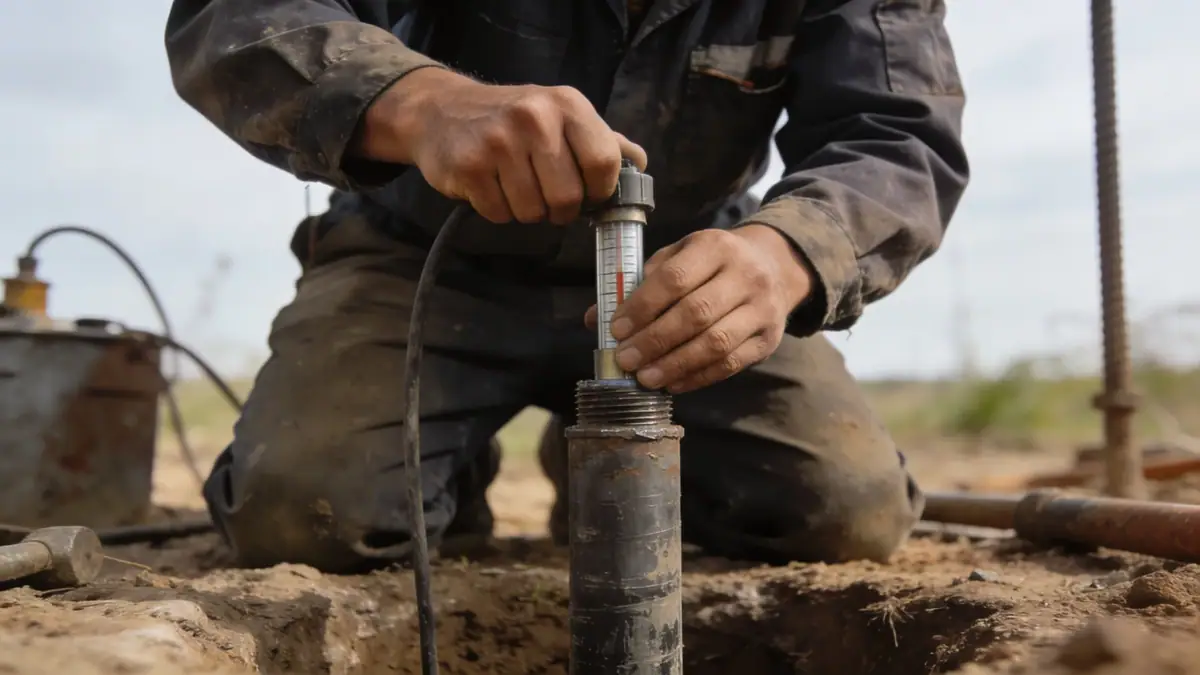
Our methodology in Moncton begins with a comprehensive desk study of existing geological maps and borehole records. Field investigations typically involve spt boring at intervals defined by ASTM D1586, supplemented by test pits and geophysical surveys. Soil samples are analyzed in our laboratory for index properties, strength, and consolidation characteristics. We integrate these data with seismic hazard assessments per the National Building Code of Canada to develop site-specific foundation and earthwork recommendations. This systematic approach ensures that each project receives a robust geotechnical model, minimizing risk during construction and throughout the facility's service life.
Reference Technical Parameters
| Parameter | Reference Value |
|---|---|
| Predominant soil type | Glacial till with interbedded sand, silt, and clay |
| Maximum seismic acceleration (PGA) | 0.15g to 0.25g (NBCC 2020) |
| Typical groundwater level | 1.5 m to 3.0 m below ground surface |
| Bedrock depth | 5 m to 20 m (locally shallower in river valleys) |
| Typical N60 range | 8 to 30 blows/300 mm (variable with soil type) |
Local Considerations — Moncton
Moncton's subsurface is dominated by glacial till derived from the Carboniferous bedrock of the Maritimes Basin. The till is heterogeneous, containing cobbles and boulders that can complicate drilling. Groundwater levels are generally shallow, requiring dewatering considerations for excavations. Seismic hazard is moderate, with peak ground accelerations up to 0.25g per NBCC 2020. Neighborhoods near the Petitcodiac River may exhibit softer alluvial deposits, while upland areas have stiffer till. Our team integrates these local factors into each study, linking to our soil mechanics laboratory for advanced testing. For broader regional context, we coordinate with our team offering geotechnical engineering en Halifax.
Request a Quote
Our team reviews your project and issues an initial report at no cost.
Or write us directly at [email protected]
Services in Moncton
Applicable Standards
- ASTM D1586
- NBCC 2020 (National Building Code of Canada)
- CSA A23.3 (Concrete Design)
- Provincial Building Code of New Brunswick
Frequently Asked Questions
What are the typical soil conditions in Moncton for foundation design?
Moncton's soils are predominantly glacial till, with variable mixtures of sand, silt, clay, and gravel. Groundwater is typically shallow, and bedrock depth ranges from 5 to 20 m. These conditions require careful evaluation of bearing capacity, settlement, and drainage for foundation design.
Does Moncton have specific seismic design requirements?
Yes, Moncton is located in a moderate seismic zone per NBCC 2020, with peak ground accelerations of 0.15g to 0.25g. Geotechnical investigations must provide site classification and soil amplification factors to inform structural design.
Is a geotechnical study mandatory for construction in Moncton?
While not always legally required for all projects, most municipalities in New Brunswick require a geotechnical report for building permits, especially for larger structures or sites with known soil issues. Our firm recommends studies for any significant development to mitigate risk.