Methodology
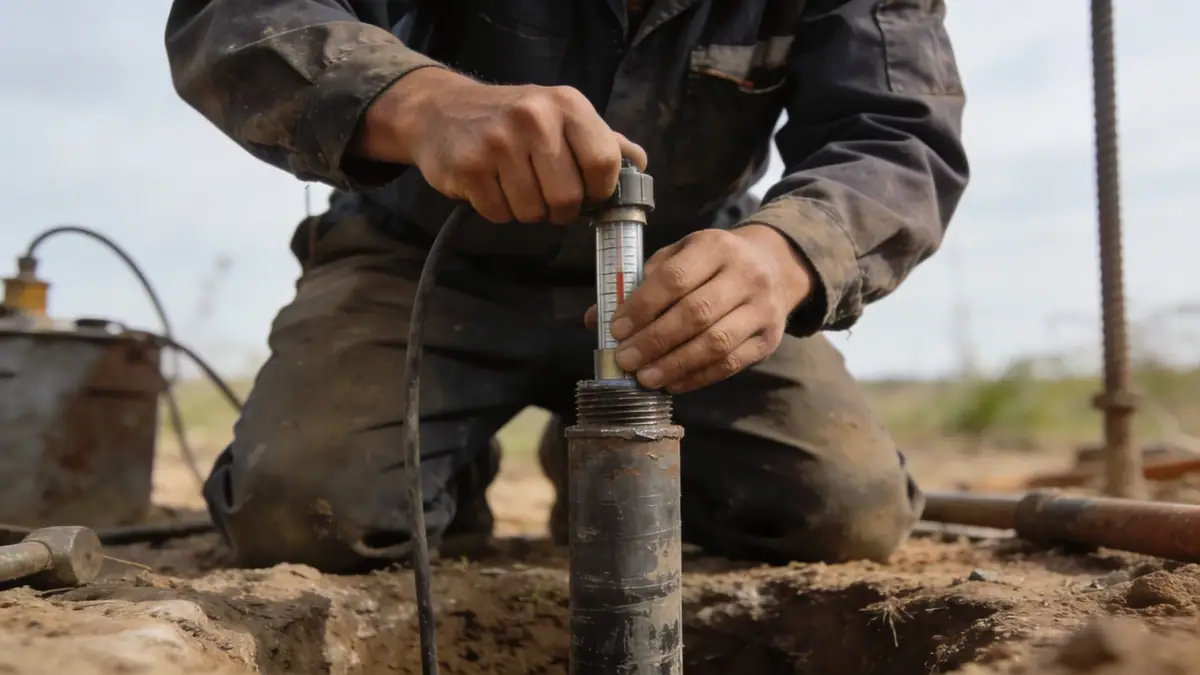
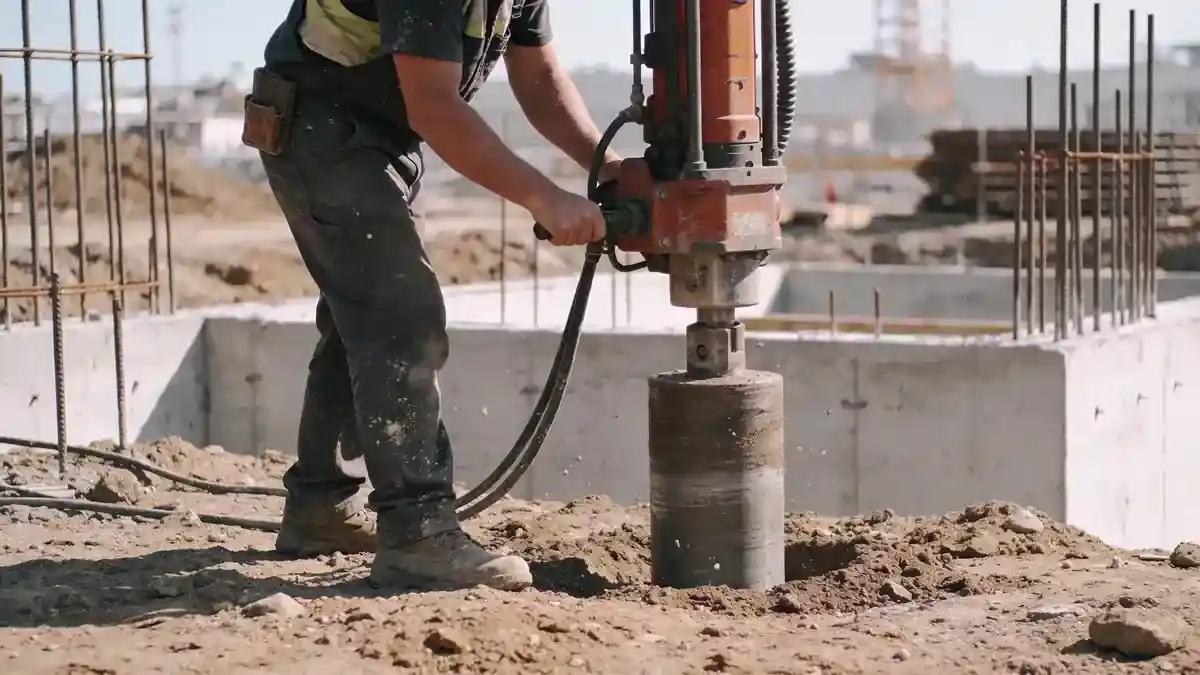
Our approach to geotechnical engineering in Regina begins with a comprehensive review of existing geological maps and site history. We conduct field investigations including spt boring to obtain soil samples and measure in-situ properties at regular intervals. These samples are subjected to laboratory testing to determine index properties, strength, and compressibility. Our team then develops site-specific soil profiles and parameters for engineering analysis. We employ analytical methods to evaluate bearing capacity, settlement, and seismic hazards, ensuring that our designs are robust and tailored to the local conditions of Regina.
Reference Technical Parameters
| Parameter | Reference Value |
|---|---|
| Predominant soil type | Glacial till and lacustrine clay |
| Maximum seismic acceleration (PGA) | 0.15 g (based on NBCC 2020) |
| Typical groundwater level | 1.5 to 3.0 m below surface |
| Bedrock depth | 10 to 20 m |
| Typical N60 range | 10 to 40 blows/0.3 m |
Local Considerations — Regina
Regina's geology is dominated by glacial till and clay soils, which are highly plastic and prone to volume changes with moisture variation. These expansive clays require careful foundation design to mitigate heave. Groundwater levels are shallow, often within 1.5 to 3 meters, necessitating dewatering considerations for excavations. Seismic hazard is moderate per NBCC 2020, with a peak ground acceleration of 0.15 g. Neighborhoods such as Lakeview and Cathedral feature older infrastructure on variable fill, while newer developments in Harbour Landing require compaction control. For regional context, our geotechnical engineering en Winnipeg practice addresses similar challenges. We also offer soil mechanics laboratory testing to characterize these materials precisely.
Request a Quote
Our team reviews your project and issues an initial report at no cost.
Or write us directly at [email protected]
Services in Regina
Applicable Standards
- ASTM D1586
- ASCE 7
- National Building Code of Canada (NBCC) 2020
- Canadian Foundation Engineering Manual
Frequently Asked Questions
What are the typical soil conditions encountered in Regina?
Regina is underlain by glacial till and lacustrine clay deposits. These soils are highly plastic and expansive, requiring specialized testing and foundation designs to address shrink-swell behavior.
What seismic design considerations apply in Regina?
According to NBCC 2020, Regina has a moderate seismic hazard with a peak ground acceleration of 0.15 g. Geotechnical investigations must provide site-specific soil parameters for seismic site classification and liquefaction assessment.
Are geotechnical studies mandatory for construction in Regina?
While not always legally required for all projects, geotechnical studies are strongly recommended by local building authorities. They are essential for safe foundation design and are typically required for commercial and multi-story residential buildings.