Methodology
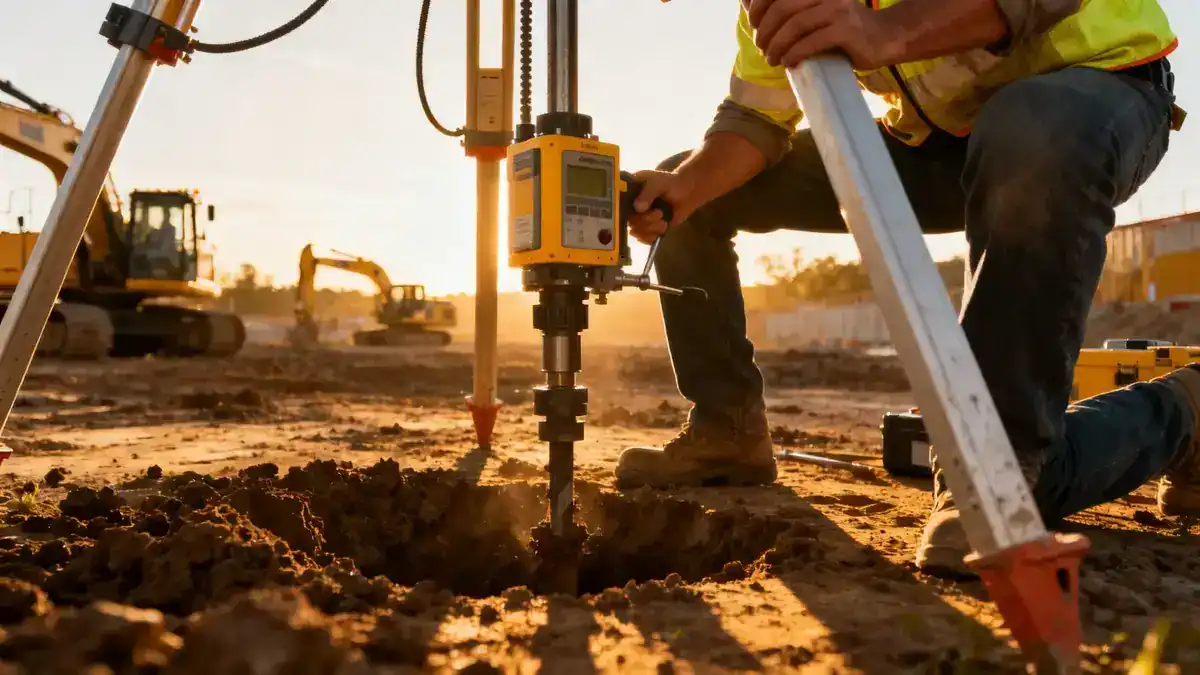
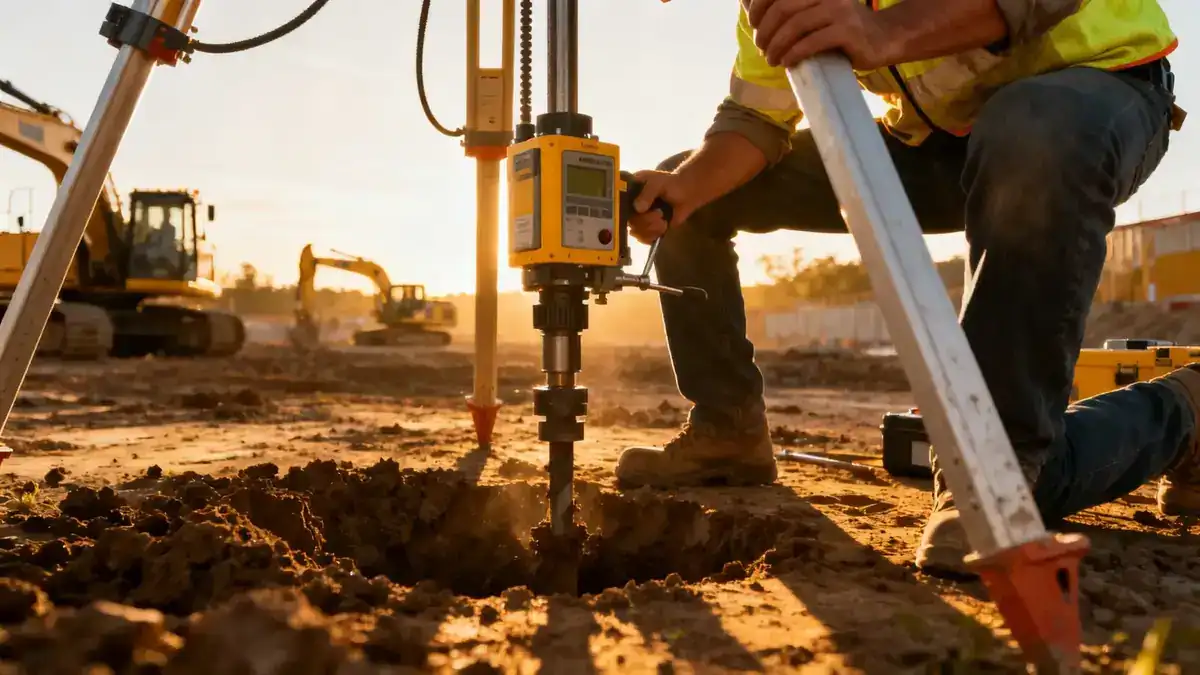
Our methodology in Red Deer follows a phased approach: preliminary desk study, field investigation using spt boring per ASTM D1586, and laboratory testing. We integrate regional geological mapping with on-site data to develop a robust ground model. Field programs typically include boreholes to depths of 8–15 m for residential structures and up to 30 m for industrial facilities, with standard penetration testing at 1.0–1.5 m intervals. Laboratory tests include grain size analysis (ASTM D6913), Atterberg limits, and unconfined compression tests on undisturbed samples.
Reference Technical Parameters
| Parameter | Reference Value |
|---|---|
| Predominant soil type | Glacial till (clay, silt, sand, gravel) with occasional lacustrine clay layers |
| Maximum seismic acceleration (PGA) per NBCC 2020 | 0.10–0.15 g (Site Class C or D) |
| Typical groundwater level | 1.5–4.0 m below grade, variable seasonally |
| Bedrock depth | 10–40 m (Paskapoo Formation sandstone and siltstone) |
| Typical N60 range (SPT) | 10–30 blows/0.3 m in till; 4–12 in soft clay layers |
Local Considerations — Red Deer
Red Deer's subsurface is dominated by glacial till, often interbedded with lacustrine clay lenses, requiring careful assessment of settlement and bearing capacity. Seasonal groundwater fluctuations (1.5–4.0 m) can affect excavation stability and foundation design. Seismic hazard is low to moderate, with PGA values of 0.10–0.15 g per NBCC 2020. The city's growth has led to development on variable terrain, including river terraces and upland areas, each with distinct geotechnical considerations. For broader regional context, our team leverages insights from geotechnical engineering in Calgary to inform Red Deer projects.
Request a Quote
Our team reviews your project and issues an initial report at no cost.
Or write us directly at [email protected]
Services in Red Deer
Applicable Standards
- ASTM D1586 (Standard Penetration Test)
- ASCE 7 (Minimum Design Loads for Buildings)
- National Building Code of Canada 2020 (NBCC 2020)
- Alberta Building Code 2019
- ASTM D2487 (Unified Soil Classification System)
Frequently Asked Questions
What are the typical soil types encountered in Red Deer?
Red Deer's soils are predominantly glacial till, a heterogeneous mix of clay, silt, sand, and gravel. Lacustrine clay deposits are also common in low-lying areas. These materials require careful evaluation for bearing capacity, settlement, and shrink-swell potential.
Is seismic design required for structures in Red Deer?
Yes, per the National Building Code of Canada 2020, Red Deer falls in a low-to-moderate seismic zone. Peak ground acceleration values range from 0.10 to 0.15 g, and site-specific geotechnical investigations are needed to classify site conditions and determine seismic design parameters.
When is a geotechnical study mandatory for construction in Red Deer?
Geotechnical studies are required for most commercial, industrial, and multi-residential projects under the Alberta Building Code. Single-family homes may not be mandatory, but our firm recommends site investigations to mitigate risks from variable soil conditions and groundwater.