Methodology
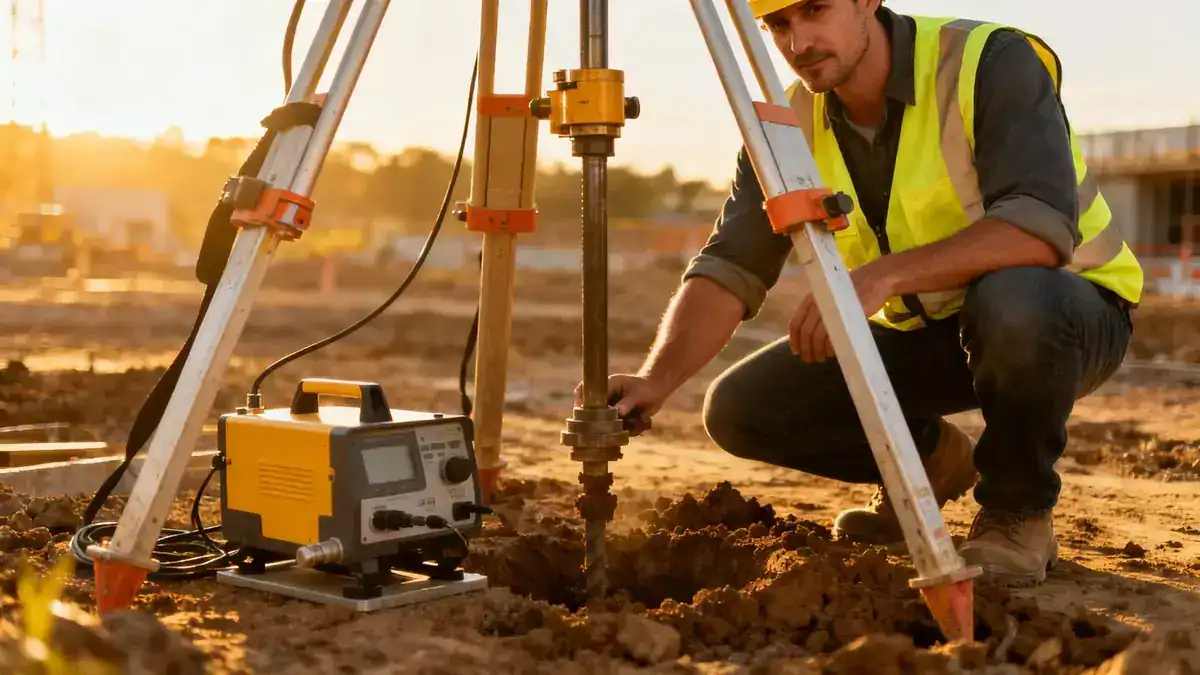
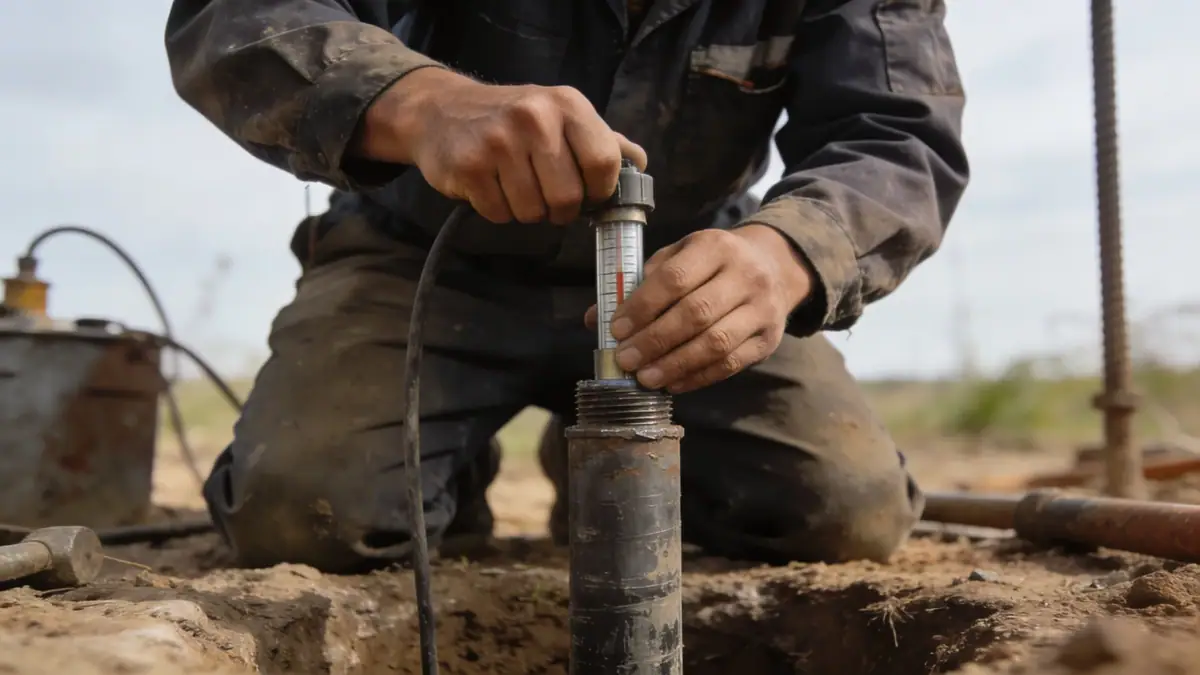
Our approach to geotechnical engineering in Medicine Hat begins with a comprehensive review of existing geological data and project requirements. We conduct field investigations, including spt boring, to characterize subsurface conditions. Laboratory testing on recovered samples follows ASTM D1586 for standard penetration tests, providing N60 values for bearing capacity assessments. We analyze soil stratigraphy, groundwater levels, and seismic hazards using site-specific data. Our methodology integrates these findings to develop foundation recommendations and earthwork specifications tailored to Medicine Hat's conditions.
Reference Technical Parameters
| Parameter | Reference Value |
|---|---|
| Predominant soil type | Glacial till, silt, sand, and gravel |
| Maximum seismic acceleration (PGA) | 0.08g (per NBCC 2020, Site Class D) |
| Typical groundwater level | 3 to 8 m below grade |
| Bedrock depth | 10 to 30 m (sandstone and shale) |
| Typical N60 range | 10 to 40 blows per 300 mm |
Local Considerations — Medicine Hat
Medicine Hat's geology is dominated by glacial till and fluvial deposits overlying Cretaceous bedrock. The shallow groundwater table in the South Saskatchewan River valley requires careful dewatering planning for excavations. Seismic hazard is low but must be considered per NBCC 2020. Our team has extensive experience with these conditions, supporting projects ranging from residential subdivisions to industrial facilities. For regional expertise, our geotechnical engineering team in Calgary provides additional support for complex projects. Interlinking with slope stability ensures comprehensive analysis for riverbank developments.
Request a Quote
Our team reviews your project and issues an initial report at no cost.
Or write us directly at [email protected]
Services in Medicine Hat
Applicable Standards
- ASTM D1586
- NBCC 2020
- Alberta Building Code 2019
- ASTM D2487 (USCS)
Frequently Asked Questions
What are the typical soil conditions in Medicine Hat?
Soil conditions in Medicine Hat consist mainly of glacial till, with interbedded layers of silt, sand, and gravel. These deposits overlie sandstone and shale bedrock at depths of 10 to 30 meters. Groundwater levels vary, typically encountered between 3 and 8 meters below grade.
Is seismic analysis required for projects in Medicine Hat?
Yes, per NBCC 2020, seismic hazard is low but must be evaluated. The peak ground acceleration (PGA) for Medicine Hat is approximately 0.08g, requiring site-specific seismic response analysis for certain structures, especially for buildings on softer soils or with irregular configurations.
Are geotechnical studies mandatory for construction in Medicine Hat?
While not always legally required for all projects, geotechnical studies are strongly recommended by the Alberta Building Code and local authorities. They are essential for foundation design, excavation safety, and pavement design, helping to mitigate risks and ensure long-term performance.