Methodology
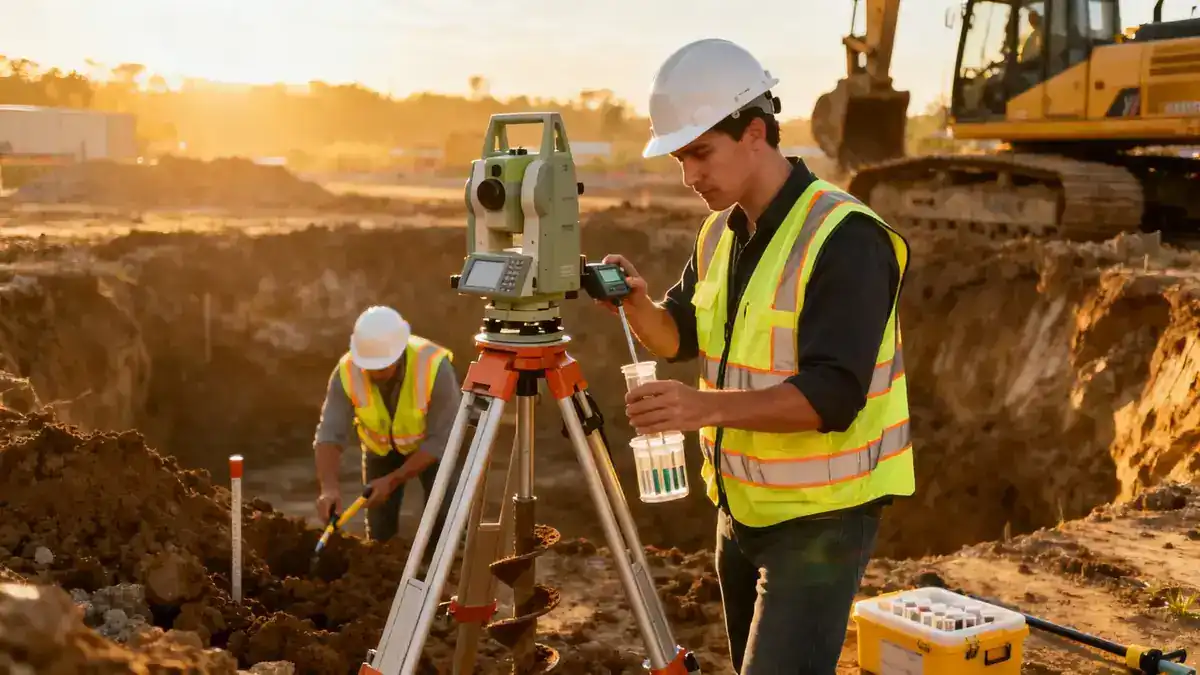
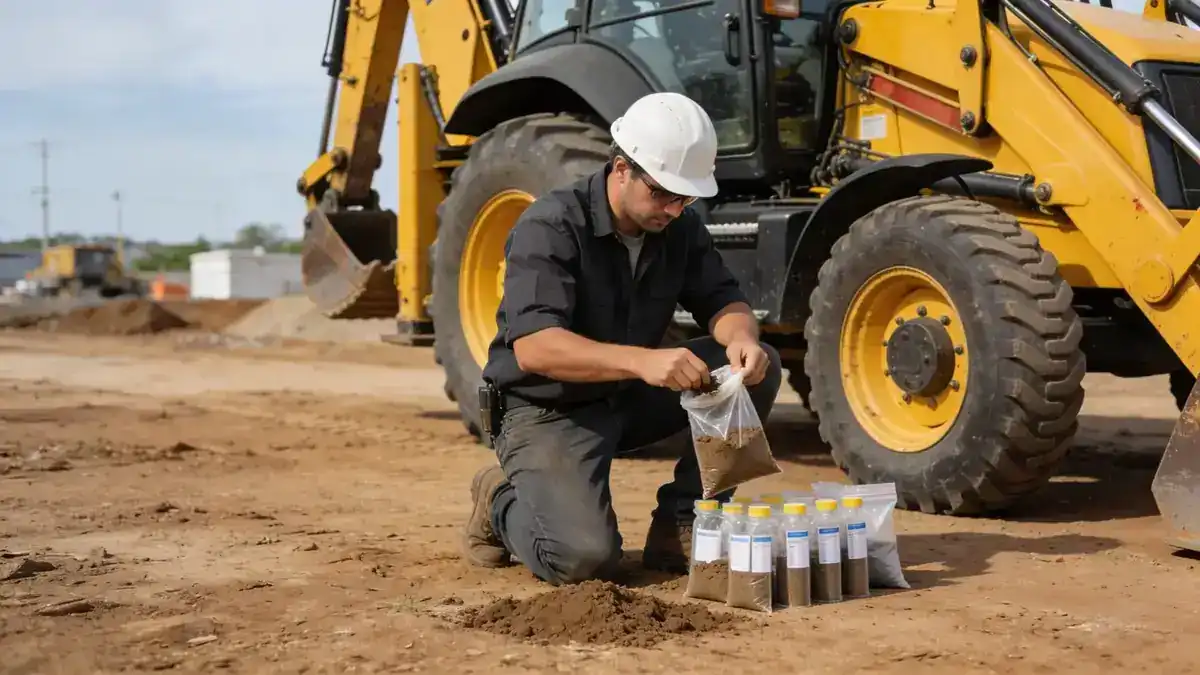
Our methodology for geotechnical engineering in Lethbridge begins with a thorough desk study of geological maps and historical data. We then conduct field investigations, including spt boring to obtain soil samples and measure resistance at depth. Laboratory tests classify soil properties such as grain size, plasticity, and strength. This data informs our analysis of bearing capacity, settlement, and slope stability. By integrating local seismic provisions and groundwater observations, we develop practical foundation recommendations that comply with Alberta Building Code requirements.
Reference Technical Parameters
| Parameter | Reference Value |
|---|---|
| Predominant Soil Type | Glacial till (sandy silt to silty clay with gravel) |
| Maximum Seismic Acceleration (PGA) | 0.13g (based on NBCC 2020 for Lethbridge) |
| Typical Groundwater Level | 3–8 m below ground surface, varies seasonally |
| Bedrock Depth | 10–30 m (Cretaceous sandstone and shale) |
| Typical N60 Range | 10–40 blows/0.3 m in till; variable in alluvial zones |
Local Considerations — Lethbridge
Lethbridge sits on the Alberta Plains, underlain by glacial till and alluvial deposits from the Oldman River. The till is dense but can contain soft zones and cobbles. Groundwater is generally deep but may be shallow near the river valley. Seismic hazard is low (PGA ~0.13g). Older neighborhoods like London Road have variable fill, while newer subdivisions in the west may encounter compressible clays. Our team addresses these contrasts through targeted investigations. For broader context, see our geotechnical engineering en Calgary hub. Additionally, we apply slope stability analysis for riverbank developments.
Request a Quote
Our team reviews your project and issues an initial report at no cost.
Or write us directly at [email protected]
Services in Lethbridge
Applicable Standards
- National Building Code of Canada (NBCC) 2020
- ASTM D1586 (Standard Penetration Test)
- ASCE 7 (Minimum Design Loads for Buildings)
- Alberta Building Code (ABC) 2023
Frequently Asked Questions
What are the typical soil conditions in Lethbridge?
Lethbridge soils are predominantly glacial till, a dense mixture of silt, sand, clay, and gravel. Alluvial deposits along the Oldman River valley are more variable, with sand and silt layers. These conditions require careful site-specific investigation to avoid differential settlement.
Is a geotechnical study mandatory for construction in Lethbridge?
While not always legally required for small projects, the Alberta Building Code recommends geotechnical investigations for most buildings. Lenders and insurers often require them. Our firm advises that any structure with significant loads or variable soil conditions should have a study to ensure safety and compliance.
How does seismic activity affect foundations in Lethbridge?
Lethbridge has low seismic hazard (PGA 0.13g), but foundation design must still consider liquefaction potential in loose saturated sands near the river. Our team evaluates site-specific seismic site class and provides recommendations per NBCC 2020 to mitigate risks.