
Methodology
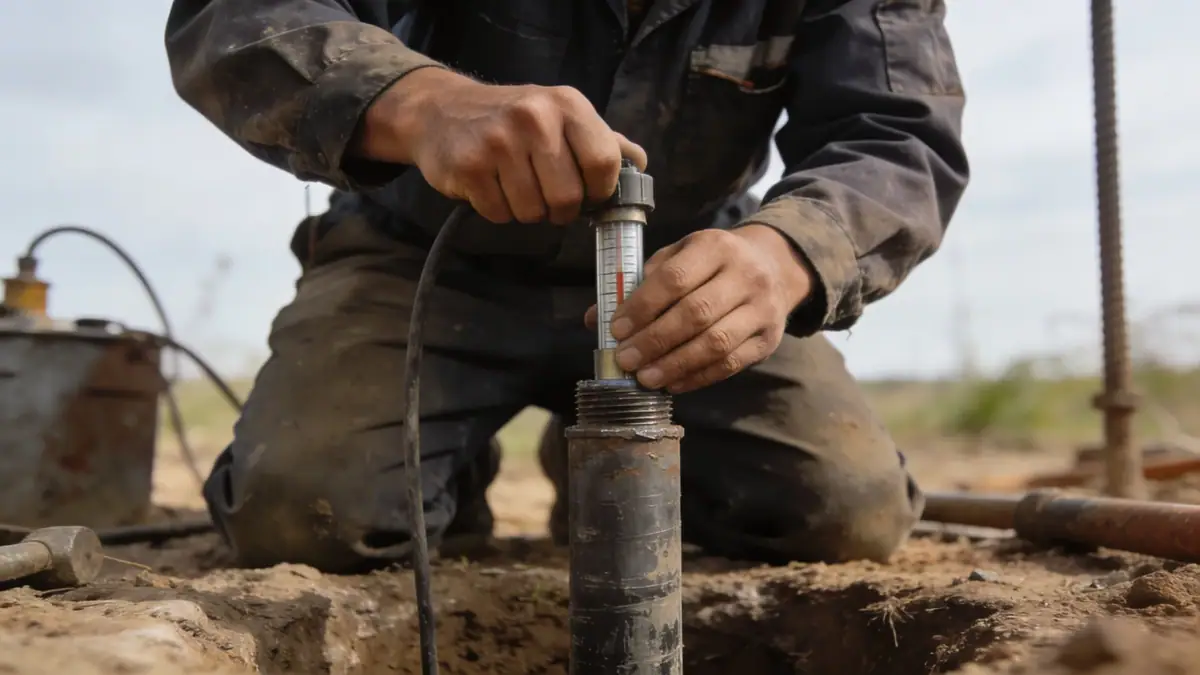
Our methodology for geotechnical engineering in Waterloo Ontario integrates subsurface investigation, laboratory testing, and numerical analysis. We typically perform spt boring to obtain soil samples and measure N60 values, supplemented by groundwater monitoring. Laboratory tests include index properties and strength parameters. Analysis follows Eurocode 7 and NBCC 2020 for bearing capacity and settlement. We prioritize understanding the glacial till variability and shallow groundwater to design resilient foundations and earthworks.
Reference Technical Parameters
| Parameter | Reference Value |
|---|---|
| Predominant Soil Type | Glacial till (silty sand to sandy silt) with interbedded glaciofluvial gravels |
| Maximum Seismic Acceleration (PGA) | 0.2g (NBCC 2020, Site Class C/D) |
| Typical Groundwater Level | 2–6 m below ground surface, varies seasonally |
| Bedrock Depth | 30–50 m (Ordovician limestone/shale) |
| Typical N60 Range | 10–40 blows/0.3 m in till; 5–15 in granular fills |
Local Considerations — Waterloo Ontario
Waterloo's glacial till exhibits variable compaction and cobble content, requiring careful SPT energy corrections per ASTM D1586. Shallow groundwater necessitates dewatering plans for excavations. The region's moderate seismicity (PGA 0.2g) influences foundation design per NBCC 2020. Urban infill projects often encounter heterogeneous fill and old service corridors. Our team coordinates with municipal guidelines and references our team in Toronto for regional consistency. For retaining structures, we apply slope stability analyses to account for till strength anisotropy.
Request a Quote
Our team reviews your project and issues an initial report at no cost.
Or write us directly at [email protected]
Services in Waterloo Ontario
Applicable Standards
- ASTM D1586 (Standard Penetration Test)
- NBCC 2020 (National Building Code of Canada)
- CSA A23.3 (Concrete Design)
- Ontario Provincial Standards for Earthworks
Frequently Asked Questions
What soil types are typically found in Waterloo Ontario?
The predominant soils are glacial till (silty sand to sandy silt) and glaciofluvial deposits, with occasional organic layers in low-lying areas. These soils exhibit variable density and require careful characterization for foundation design.
Is seismic design required for structures in Waterloo?
Yes, per NBCC 2020, Waterloo falls under seismic hazard category with PGA of 0.2g. Site-specific seismic response analysis is recommended for important structures, especially on soft soil sites that may amplify ground motion.
Are geotechnical studies mandatory for residential projects in Waterloo?
While not always required for single-family homes, most municipalities in Waterloo Region mandate geotechnical investigations for basement excavations, retaining walls, and structures exceeding two storeys. Local bylaws often reference Ontario Building Code requirements.