Methodology
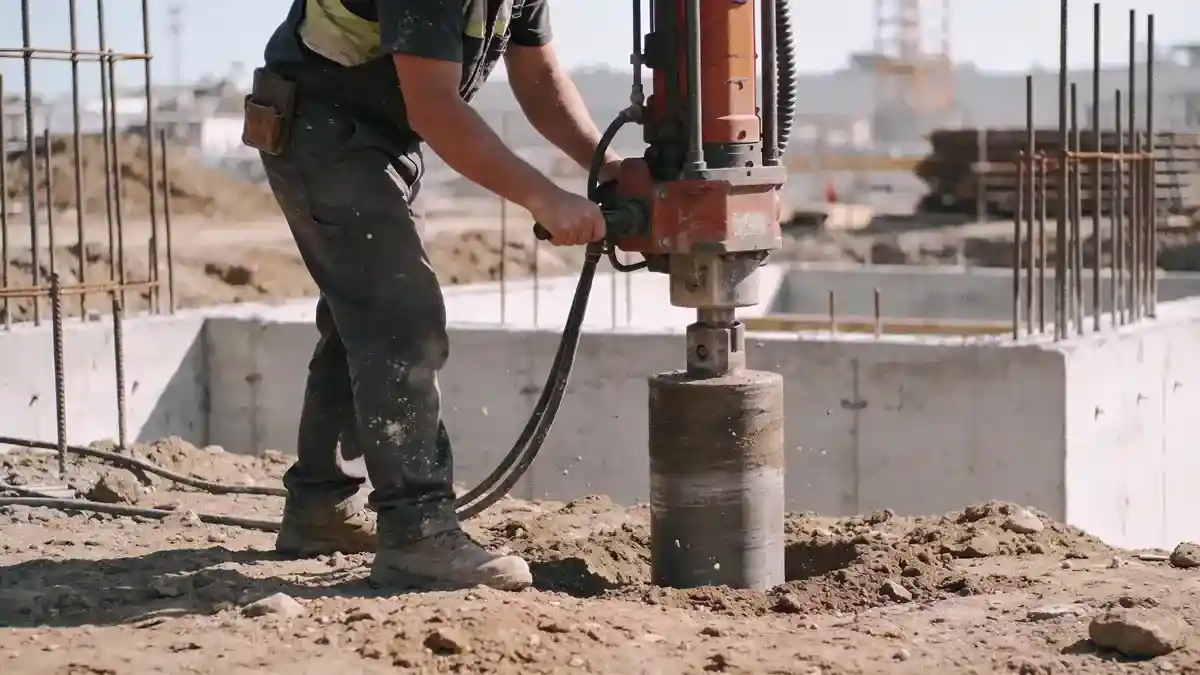
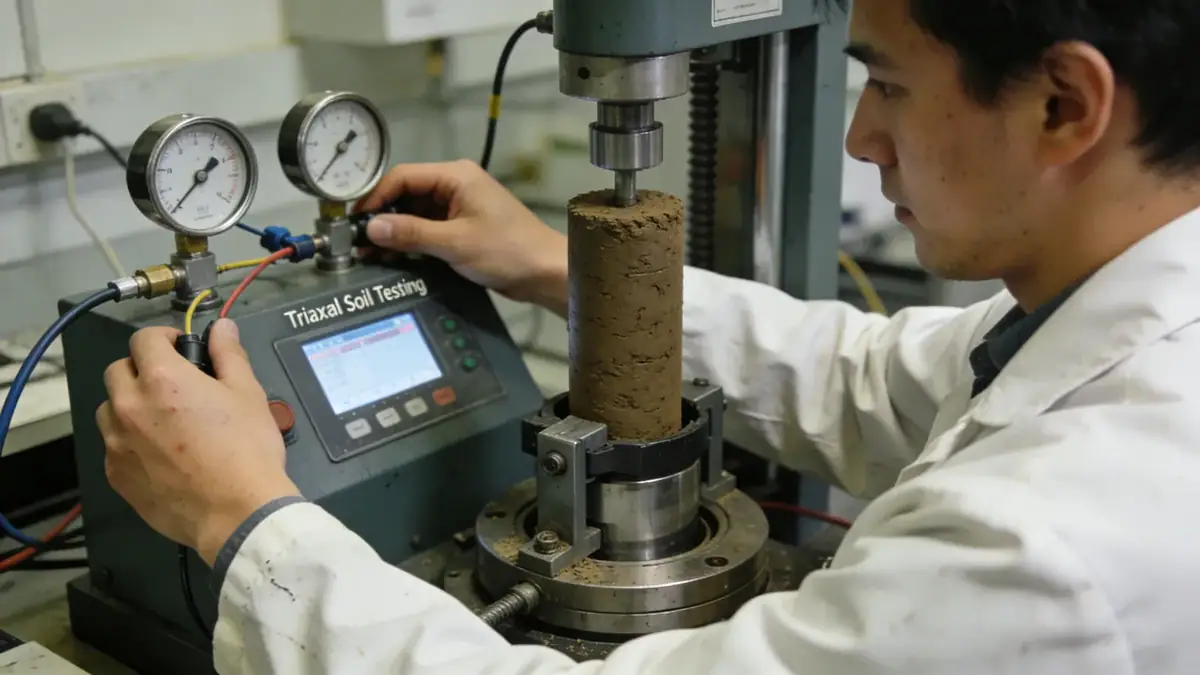
Our methodology for projects in Victoria Bc begins with a comprehensive desk study of existing geological maps and borehole records. We then execute a field investigation program tailored to the site conditions, often including spt boring to obtain disturbed and undisturbed samples. Laboratory testing follows, with index properties and strength parameters determined per ASTM D1586 and other applicable standards. Data interpretation incorporates local seismic considerations, leading to design parameters that satisfy the British Columbia Building Code and municipal requirements. The final report presents clear, actionable recommendations.
Reference Technical Parameters
| Parameter | Reference Value |
|---|---|
| Predominant soil type | Glacial till and marine clay overlain by sand and gravel |
| Maximum seismic acceleration (PGA) | 0.26 g (based on 2% in 50 years hazard level) |
| Typical groundwater level | 1.5–3.0 m below grade in low-lying areas |
| Bedrock depth | 10–30 m in downtown Victoria; shallower in outskirts |
| Typical N60 range (SPT) | 5–15 blows/ft in soft clay; 20–40 in dense sand/gravel |
Local Considerations — Victoria Bc
Victoria Bc sits on the Coast Mountains physiographic region, underlain by Pleistocene glacial deposits and post-glacial marine sediments. The downtown core features thick sequences of soft to firm clays, while upland areas exhibit dense till and bedrock at shallow depths. Seismic hazard is moderate, with design accelerations per the National Building Code of Canada. Groundwater is generally shallow near the Inner Harbour. Our team has extensive experience with these conditions, and we coordinate with our geotechnical engineering en Vancouver office to leverage regional expertise. For slope stability assessments on the Saanich Peninsula, we apply specialized slope stability analysis.
Request a Quote
Our team reviews your project and issues an initial report at no cost.
Or write us directly at [email protected]
Services in Victoria Bc
Applicable Standards
- ASTM D1586
- National Building Code of Canada 2020
- British Columbia Building Code
- Canadian Foundation Engineering Manual
Frequently Asked Questions
What soil types are common in Victoria Bc?
Victoria Bc primarily features glacial till, marine clay, and sandy deposits. Glacial till is dense and provides good bearing capacity, while marine clays can be soft and require careful foundation design. Sand and gravel layers are also present, often serving as aquifer materials.
Is seismic design required for projects in Victoria Bc?
Yes, Victoria Bc is in a moderate seismic zone. The National Building Code of Canada specifies a peak ground acceleration (PGA) of 0.26 g for the region. All structures must be designed to resist seismic loads, and geotechnical investigations must evaluate liquefaction potential and site class.
Are geotechnical studies mandatory for new construction in Victoria Bc?
While not always legally mandated for small residential projects, most municipalities in the Capital Regional District require a geotechnical report for permits, especially in areas with known soil instability or high seismic hazard. Lenders and insurers also often demand such studies.