Methodology
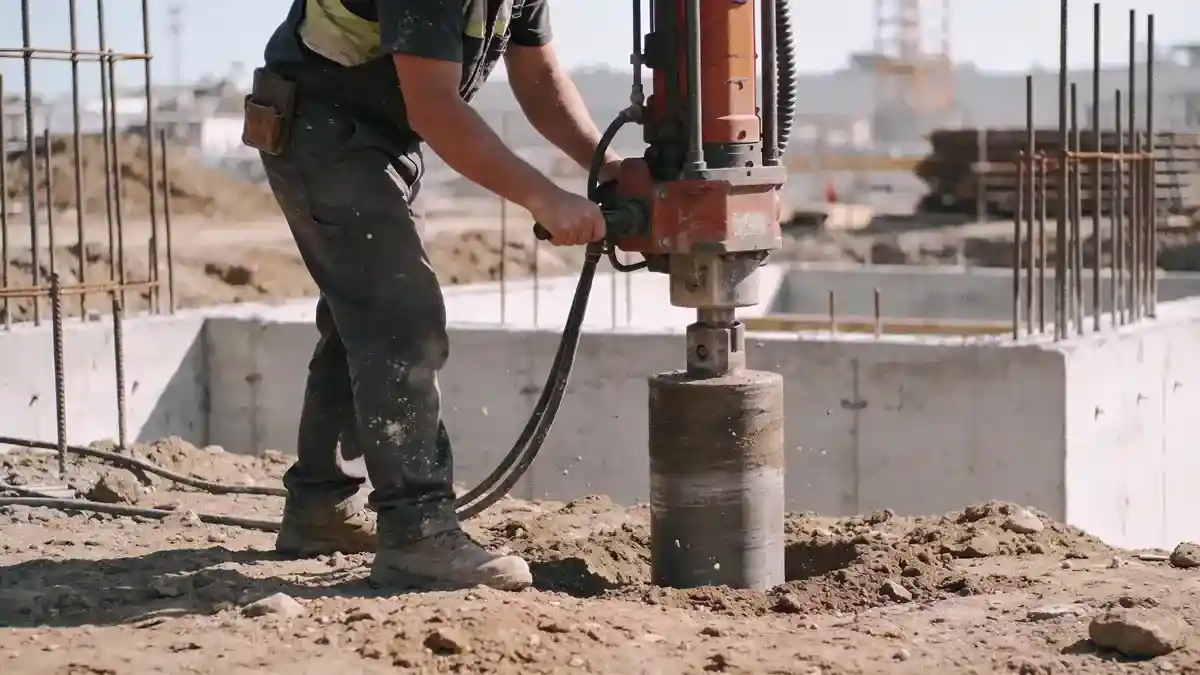
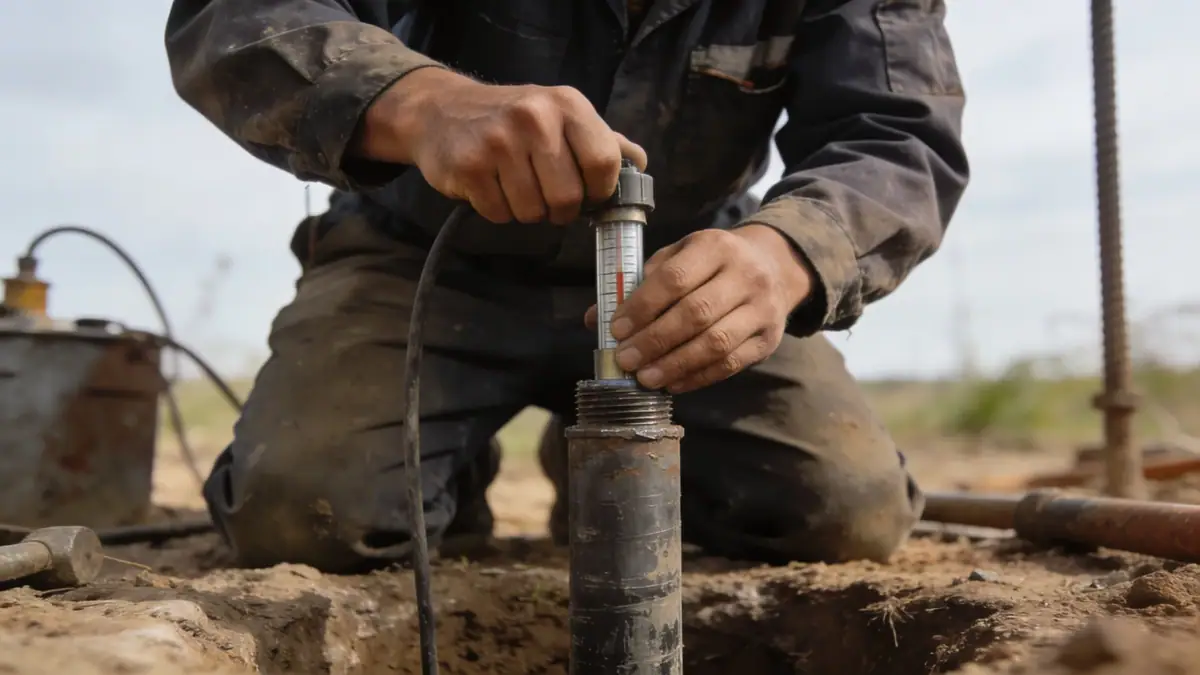
Our methodology for geotechnical engineering in Vaughan integrates field and laboratory phases. We conduct standard penetration tests (SPT) per ASTM D1586 at 1.0–1.5 m intervals to depths of 8–15 m for typical structures, with continuous sampling for deeper foundations. Soil samples are analyzed in our soil mechanics laboratory for classification, compaction, and strength parameters. This data informs foundation design, bearing capacity, and settlement estimates, ensuring robust recommendations for Vaughan’s glacial geology.
Reference Technical Parameters
| Parameter | Reference Value |
|---|---|
| Predominant soil type | Glacial till (silty sand with gravel) |
| Maximum seismic acceleration (PGA) | 0.20–0.30 g (site-specific) |
| Typical groundwater level | 3–8 m below surface |
| Bedrock depth | 10–30 m (shallow in north Vaughan) |
| Typical N60 range | 15–40 blows/0.3 m |
Local Considerations — Vaughan
Vaughan’s geology is dominated by glacial till and glaciolacustrine deposits from the Wisconsin glaciation. The Oak Ridges Moraine borders the north, providing coarse-grained soils, while southern areas feature finer-grained silts and clays. Groundwater is often perched in till layers, requiring careful dewatering plans. Seismic hazard per Ontario Building Code (OBC 2012) uses site class D (stiff soil) with PGA up to 0.30 g. Neighborhood contrast: Woodbridge (deep till, stable) vs. Kleinburg (shallow bedrock, variable). Typical case: residential basements in Maple require attention to shrink-swell potential of clay lenses. Our team integrates these factors into every project. For broader regional context, see our geotechnical engineering en Toronto page.
Request a Quote
Our team reviews your project and issues an initial report at no cost.
Or write us directly at [email protected]
Services in Vaughan
Applicable Standards
- ASTM D1586
- Ontario Building Code (OBC) 2012
- Canadian Foundation Engineering Manual (CFEM) 4th Ed.
- CSA A23.3 for concrete foundations
Frequently Asked Questions
What are the typical soil conditions in Vaughan?
Vaughan’s soils are primarily glacial tills—dense mixtures of sand, silt, gravel, and clay. Groundwater is often perched at 3–8 m depth. Bedrock (Georgian Bay shale) lies 10–30 m deep, shallower in northern areas.
Is seismic analysis required for foundations in Vaughan?
Yes, per OBC 2012, Vaughan is in seismic zone with PGA 0.20–0.30 g. Site-specific seismic response analysis is needed for important structures, considering soil amplification of glacial till deposits.
Do I need a geotechnical study for a new home in Vaughan?
OBC requires soil bearing capacity and groundwater data for foundation design. A geotechnical study is recommended for any new construction to avoid settlement issues, especially in areas with variable till or clay lenses.