Methodology
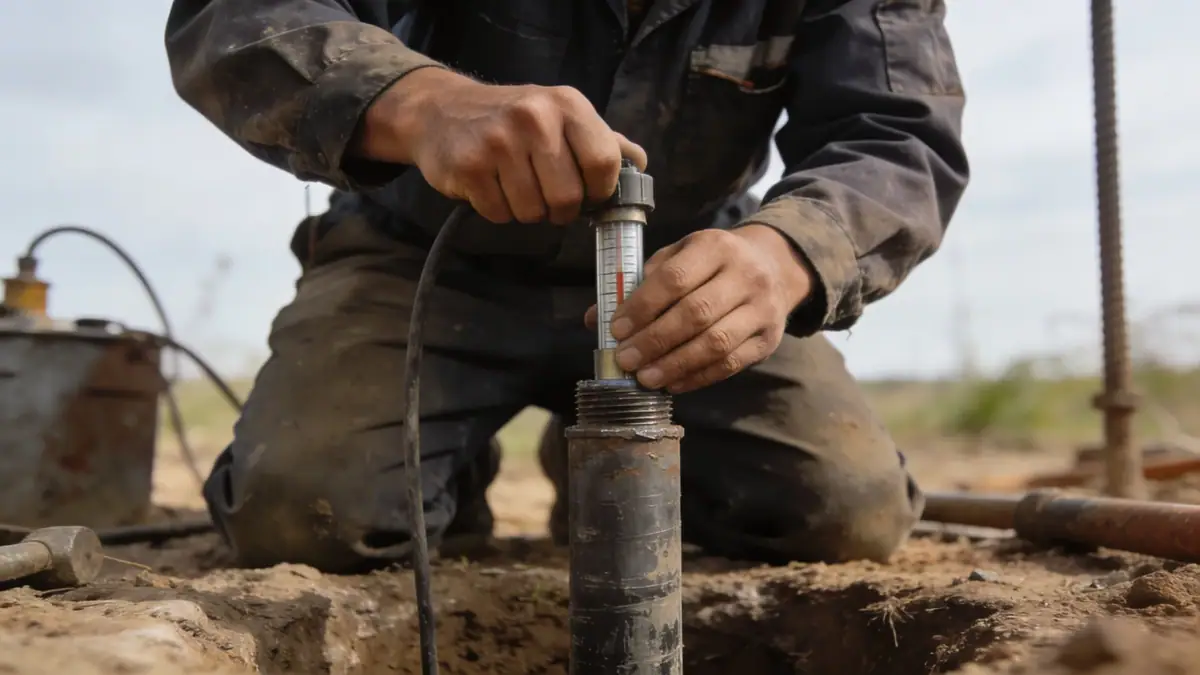
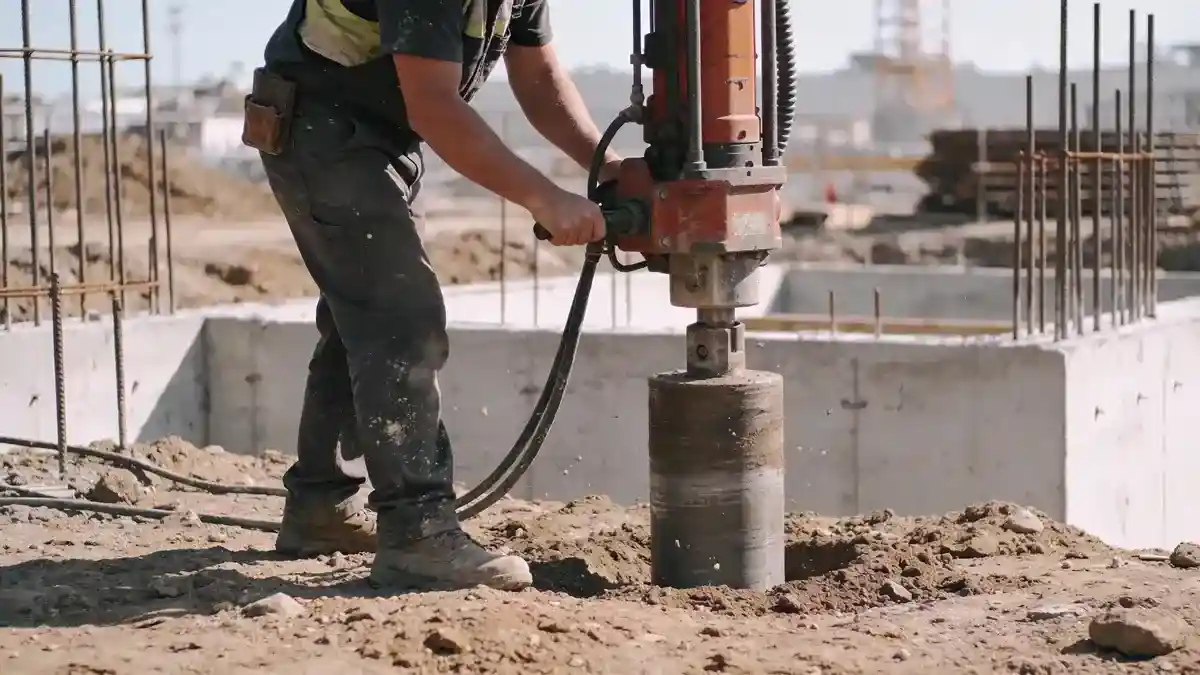
Our approach in Trois Rivieres begins with a comprehensive review of existing geological maps and borehole logs from the Quebec Ministry of Natural Resources and Forests. We then execute a targeted field investigation program, typically employing spt boring at 1.5 m intervals per ASTM D1586 to characterize soil strata and obtain undisturbed samples. In cohesive soils, we supplement with CPTu soundings for continuous pore pressure and tip resistance profiles. Laboratory testing follows, including grain size distribution (ASTM D6913), Atterberg limits (ASTM D4318), and triaxial compression (ASTM D4767) to derive strength parameters. This phased methodology ensures site-specific data for foundation and slope stability analyses.
Reference Technical Parameters
| Parameter | Reference Value |
|---|---|
| Predominant soil type | Glacial till (silty sand with gravel) over clay |
| Maximum seismic acceleration (PGA) | 0.24 g (per NBCC 2020 for Trois Rivieres) |
| Typical groundwater level | 2 to 5 m below ground surface |
| Bedrock depth | 10 to 25 m (shale or limestone) |
| Typical N60 range | 8 to 35 blows/0.3 m (in till) |
Local Considerations — Trois Rivieres
Trois Rivieres lies within the St. Lawrence Platform, underlain by Paleozoic sedimentary rocks. The glacial till mantle is highly heterogeneous, with boulders common. Groundwater is typically shallow (2-5 m) and responsive to river levels. Seismic hazard is moderate (PGA 0.24 g per NBCC 2020), requiring liquefaction assessment in loose sands near the river. In the downtown core, old fill and buried foundations complicate investigations. The industrial sector in Cap-de-la-Madeleine often requires deeper foundations to bypass soft clays. Our team integrates these factors with soil mechanics laboratory testing to provide robust recommendations. For regional context, we coordinate with our geotechnical engineering en Montreal office to leverage broader Quebec expertise.
Request a Quote
Our team reviews your project and issues an initial report at no cost.
Or write us directly at [email protected]
Services in Trois Rivieres
Applicable Standards
- ASTM D1586 (Standard Penetration Test)
- ASTM D6913 (Particle Size Distribution)
- ASTM D4318 (Atterberg Limits)
- ASTM D4767 (Triaxial Compression)
- NBCC 2020 (National Building Code of Canada)
- CSA A23.3 (Concrete Design)
- Quebec Construction Code (Chapter I, Building)
Frequently Asked Questions
What are the typical soil conditions encountered in Trois Rivieres?
Soils in Trois Rivieres predominantly consist of glacial till (silty sand with gravel) overlying marine clay and shale or limestone bedrock. Groundwater is often encountered at 2 to 5 m depth. The till can be dense to very dense, with N60 values ranging from 8 to 35 blows/0.3 m.
How do seismic regulations affect geotechnical engineering in Trois Rivieres?
Trois Rivieres falls under a moderate seismic hazard zone per NBCC 2020, with a PGA of 0.24 g. Geotechnical reports must address site classification (per NBCC 2020 Table 4.1.8.4) and potential for liquefaction in loose saturated sands. Site-specific response spectra may be required for essential structures.
Is a geotechnical study mandatory for construction projects in Trois Rivieres?
Yes, the Quebec Construction Code requires a geotechnical investigation for most buildings, especially those with foundations or earth retention structures. The scope depends on building size and soil variability. Our firm ensures compliance with local and national standards, providing data for safe and economical design.