Methodology
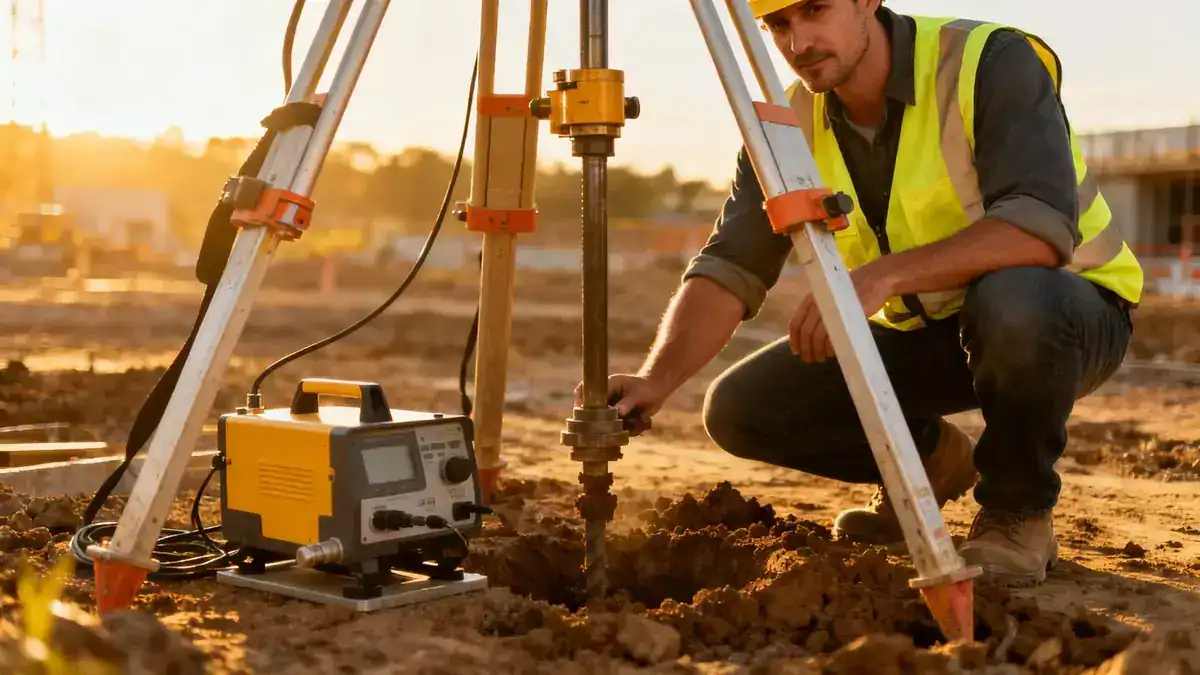
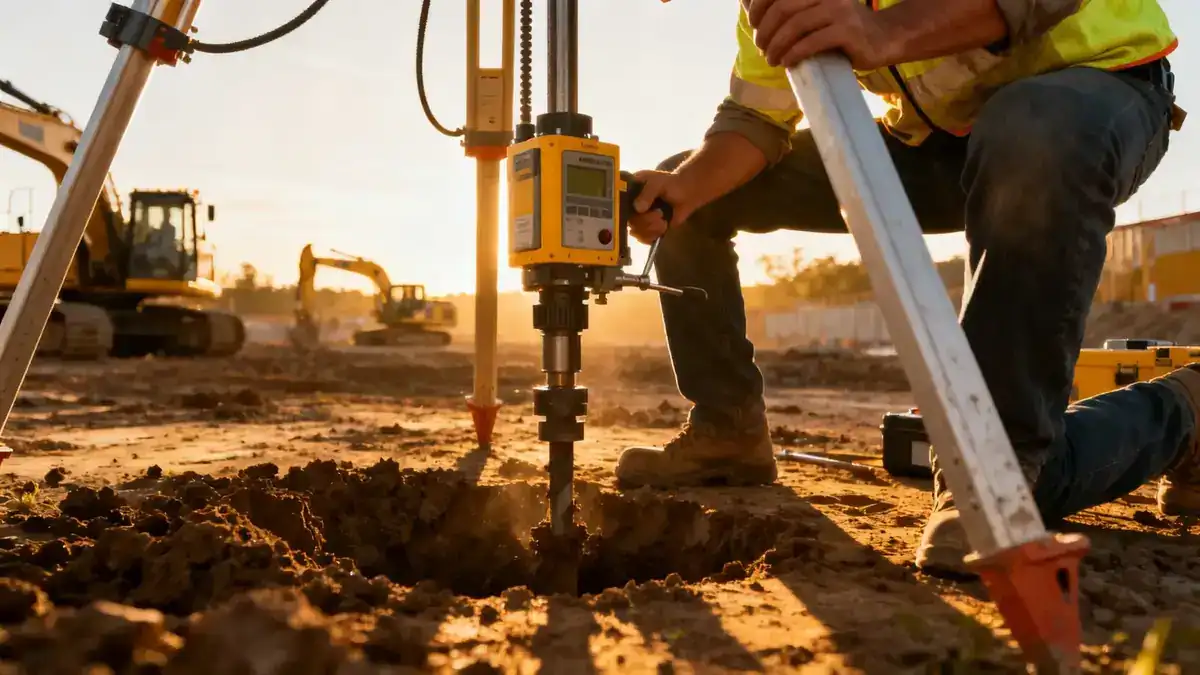
Our methodology for geotechnical investigations in Surrey follows a phased approach. We begin with a desk study of available geological maps and borehole records, then conduct field spt boring programs to obtain disturbed and undisturbed samples. Laboratory testing determines index properties, strength, and compressibility. We integrate these data with seismic hazard analyses per the National Building Code of Canada to develop site-specific design parameters. Our reports provide clear recommendations for foundation type, bearing capacity, settlement estimates, and lateral earth pressures, ensuring compliance with local codes and project requirements.
Reference Technical Parameters
| Parameter | Reference Value |
|---|---|
| Predominant soil type | Glacial till and marine clay |
| Maximum seismic acceleration (PGA, 2% in 50 years) | 0.45g |
| Typical groundwater level | 1.5–3.0 m below ground surface |
| Bedrock depth | 15–30 m |
| Typical N60 range | 10–40 blows/0.3 m |
Local Considerations — Surrey
Surrey’s geology is dominated by Pleistocene glacial deposits, including dense till and compressible marine clays. The water table is generally shallow, requiring dewatering considerations for excavations. Seismic site classification typically falls under Class C or D per NBCC 2020, with peak ground accelerations up to 0.45g. Older neighborhoods near the Fraser River may have softer soils, while upland areas show stiffer till. Common challenges include differential settlement on clay layers and liquefaction potential in sandy zones. Our team integrates these factors into practical designs, referencing soil mechanics laboratory data to refine parameters. For broader context, see our geotechnical engineering services in Vancouver.
Request a Quote
Our team reviews your project and issues an initial report at no cost.
Or write us directly at [email protected]
Services in Surrey
Applicable Standards
- National Building Code of Canada (NBCC) 2020
- British Columbia Building Code (BCBC) 2024
- ASTM D1586 – Standard Test Method for Standard Penetration Test (SPT)
- Canadian Foundation Engineering Manual (CFEM)
Frequently Asked Questions
What are the typical soil conditions in Surrey for geotechnical engineering?
Surrey soils consist mainly of glacial till and marine clay, with interbedded sand and silt layers. Till is dense and suitable for shallow foundations, while clay may require deep foundations or ground improvement. Groundwater is often shallow, affecting excavation design.
How does seismic design apply to geotechnical engineering in Surrey?
Seismic design in Surrey follows NBCC 2020, with site-specific spectral accelerations. Soil classification (Class C or D) influences foundation design. Liquefaction assessment is required for sandy soils, and our firm provides site response analyses to meet code requirements.
Are geotechnical studies mandatory for construction in Surrey?
Yes, the City of Surrey requires geotechnical reports for most building permits, especially for structures in floodplains or with seismic risk. Reports must address soil bearing capacity, settlement, and lateral earth pressures, as per BCBC and municipal bylaws.