Methodology
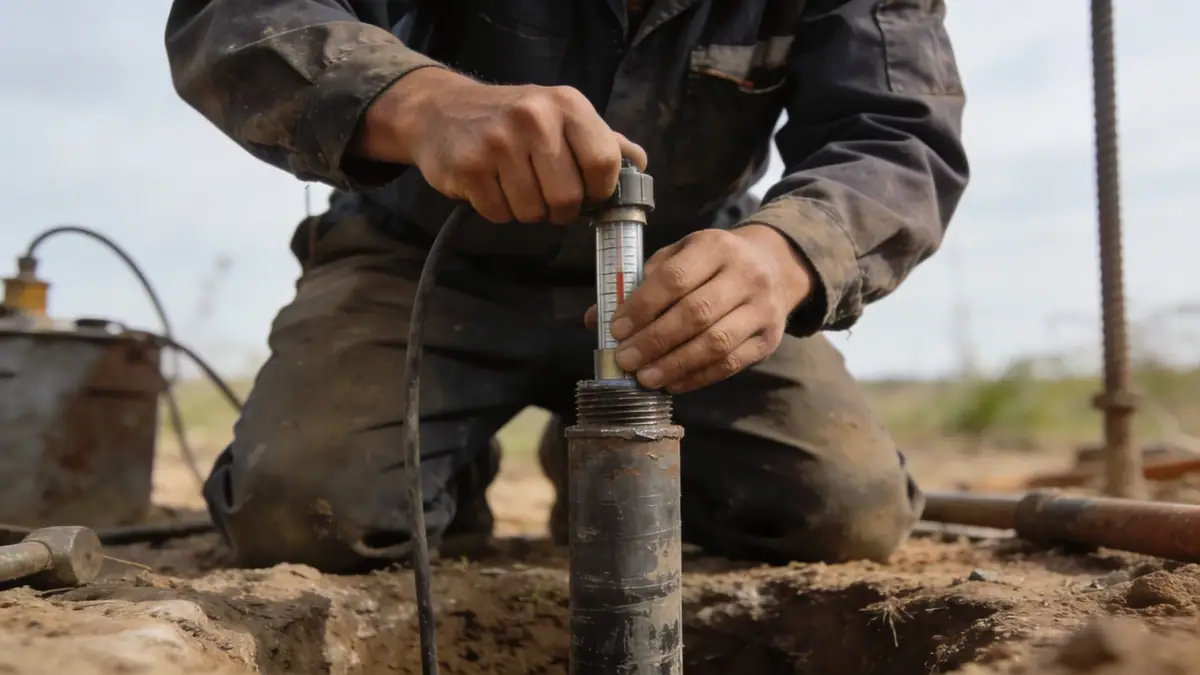
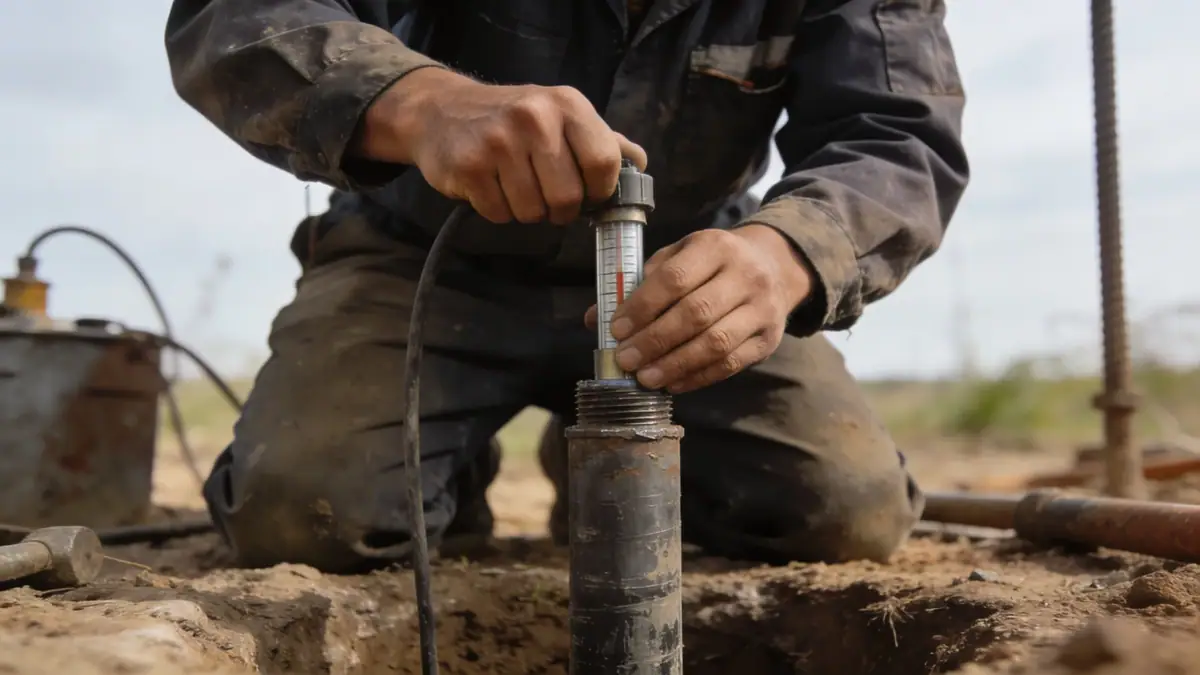
Our methodology for geotechnical engineering in Sault Ste Marie begins with a comprehensive desk study of existing geological maps and borehole records. We then conduct field investigations including spt boring to obtain soil samples and measure in-situ properties. Laboratory testing follows, with classification tests (ASTM D6913 for grain size, ASTM D4318 for Atterberg limits) and strength testing (direct shear, unconfined compression). We integrate these data to develop a geotechnical model that informs foundation recommendations, slope stability assessments, and seismic hazard evaluations, all tailored to Sault Ste Marie's conditions.
Reference Technical Parameters
| Parameter | Reference Value |
|---|---|
| Predominant soil type | Glacial till and lacustrine clay |
| Maximum seismic acceleration (PGA) | 0.15g (NBCC 2020, Site Class C) |
| Typical groundwater level | 1.5 to 3.0 m below grade |
| Bedrock depth | 5 to 30 m (Shield bedrock) |
| Typical N60 range (SPT) | 10 to 50 blows/0.3 m |
Local Considerations — Sault Ste Marie
Sault Ste Marie lies on the Canadian Shield, with bedrock (granitic gneiss) near surface in some areas, overlain by glacial till and lacustrine deposits from post-glacial Lake Algonquin. Seismic hazard is moderate (PGA 0.15g per NBCC 2020). Groundwater is shallow (1.5–3 m) in low-lying areas. Distinct soil conditions exist between the downtown core (thick clay) and northern areas (shallow bedrock). Typical projects include residential subdivisions and commercial developments. Our team leverages experience from soil mechanics laboratory testing to characterize these variable soils. For broader context, we coordinate with geotechnical engineering in Toronto as our principal hub.
Request a Quote
Our team reviews your project and issues an initial report at no cost.
Or write us directly at [email protected]
Services in Sault Ste Marie
Applicable Standards
- ASTM D1586 (Standard Penetration Test)
- NBCC 2020 (National Building Code of Canada)
- Ontario Building Code (OBC 2012)
- ASTM D2487 (Unified Soil Classification System)
Frequently Asked Questions
What are the typical soil conditions in Sault Ste Marie?
Sault Ste Marie features glacial till and lacustrine clay over Precambrian Shield bedrock. Soil thickness varies from 5 to 30 m, with shallow groundwater (1.5–3 m) in low-lying areas. Understanding these conditions is critical for foundation design.
Is seismic design required in Sault Ste Marie?
Yes, the NBCC 2020 assigns a seismic hazard with PGA of 0.15g for Sault Ste Marie. Site-specific analysis may be needed for important structures to address soil amplification effects, particularly on soft clay sites.
Are geotechnical studies mandatory for new construction in Sault Ste Marie?
The Ontario Building Code requires a geotechnical investigation for most buildings, especially those on deep foundations or in areas with variable soil. Our team provides these studies to ensure compliance and safe design.