
Methodology
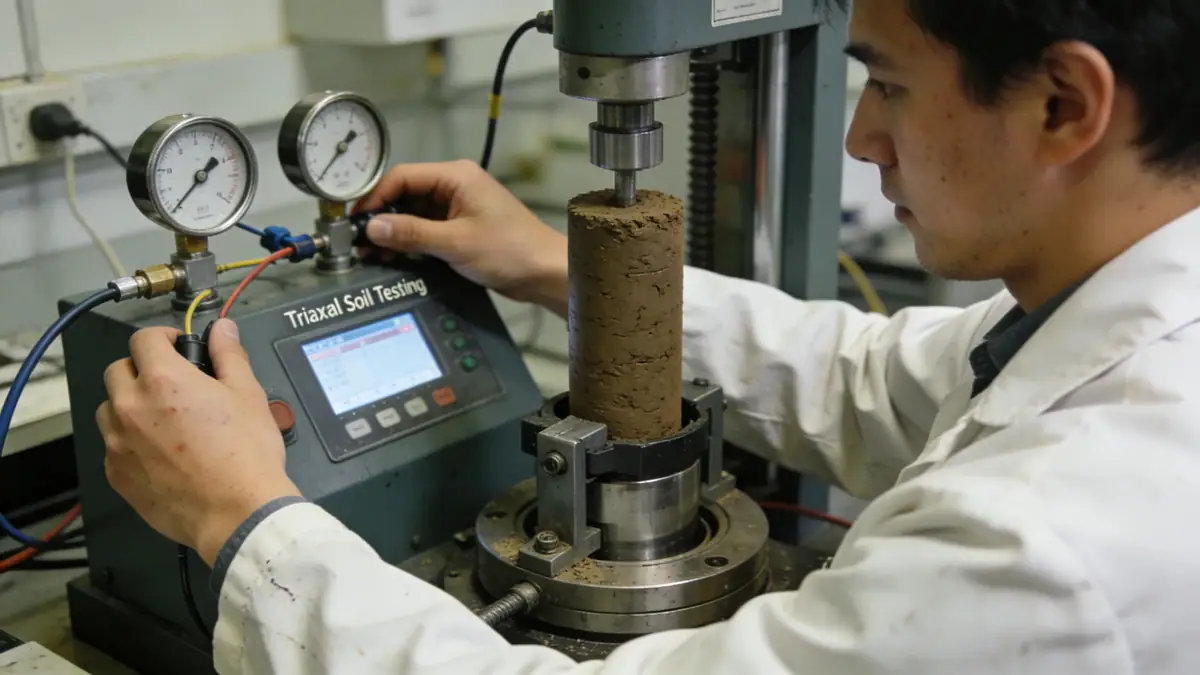
Our methodology for geotechnical engineering in Richmond Hill begins with a thorough desk study of existing geological maps and borehole records. We then conduct field investigations including spt boring to characterize subsurface conditions. Soil samples are retrieved for laboratory testing to determine engineering properties such as shear strength, compressibility, and permeability. On-site groundwater monitoring and seismic hazard assessments are integrated into our analyses. Data are interpreted against local building codes and standards, leading to foundation recommendations tailored to the site-specific conditions. This systematic approach ensures reliable and defensible geotechnical designs.
Reference Technical Parameters
| Parameter | Reference Value |
|---|---|
| Predominant soil type | Glacial till with silt and clay layers |
| Maximum seismic acceleration (PGA) | 0.2g to 0.3g (based on seismic hazard maps) |
| Typical groundwater level | 2 to 6 meters below ground surface |
| Bedrock depth | 10 to 30 meters (shallow in northern areas) |
| Typical N60 range | 10 to 40 blows per 0.3 m |
Local Considerations — Richmond Hill
Richmond Hill's geology is dominated by glacial till overlying shale bedrock of the Georgian Bay Formation. The soil profile often includes stiff to very stiff clay and silt layers, with cobbles and boulders present. Groundwater levels are generally shallow, requiring dewatering considerations for deep excavations. Seismic site classification typically falls under Class C or D per the Ontario Building Code, with peak ground accelerations of 0.2g to 0.3g. Foundation designs must account for potential frost heave and expansive clay behavior. For regional context, our geotechnical engineering en Toronto team provides analogous expertise across the Greater Toronto Area. Additionally, soil mechanics laboratory testing is integral to characterizing these complex soils.
Request a Quote
Our team reviews your project and issues an initial report at no cost.
Or write us directly at [email protected]
Services in Richmond Hill
Applicable Standards
- Ontario Building Code (OBC) 2012
- ASCE 7 (seismic loads)
- ASTM D1586 (Standard Penetration Test)
- CSA A23.3 (concrete design)
Frequently Asked Questions
What types of soil are commonly found in Richmond Hill?
Richmond Hill typically has glacial till with silty clay, some sand lenses, and occasional boulders. The underlying bedrock is shale, often encountered at depths of 10 to 30 meters. These conditions influence foundation type and excavation methods.
Is a geotechnical study required for all construction projects in Richmond Hill?
Yes, the Ontario Building Code mandates geotechnical investigations for most buildings, especially those with foundations, basements, or significant loads. Local conditions like frost depth and seismic risk necessitate site-specific data to ensure structural safety.
How does seismic risk affect geotechnical design in Richmond Hill?
Richmond Hill is in a moderate seismic zone. The Ontario Building Code requires seismic site classification and liquefaction assessment for certain soil profiles. Our analyses incorporate peak ground acceleration values and soil-structure interaction to meet code requirements.