Methodology
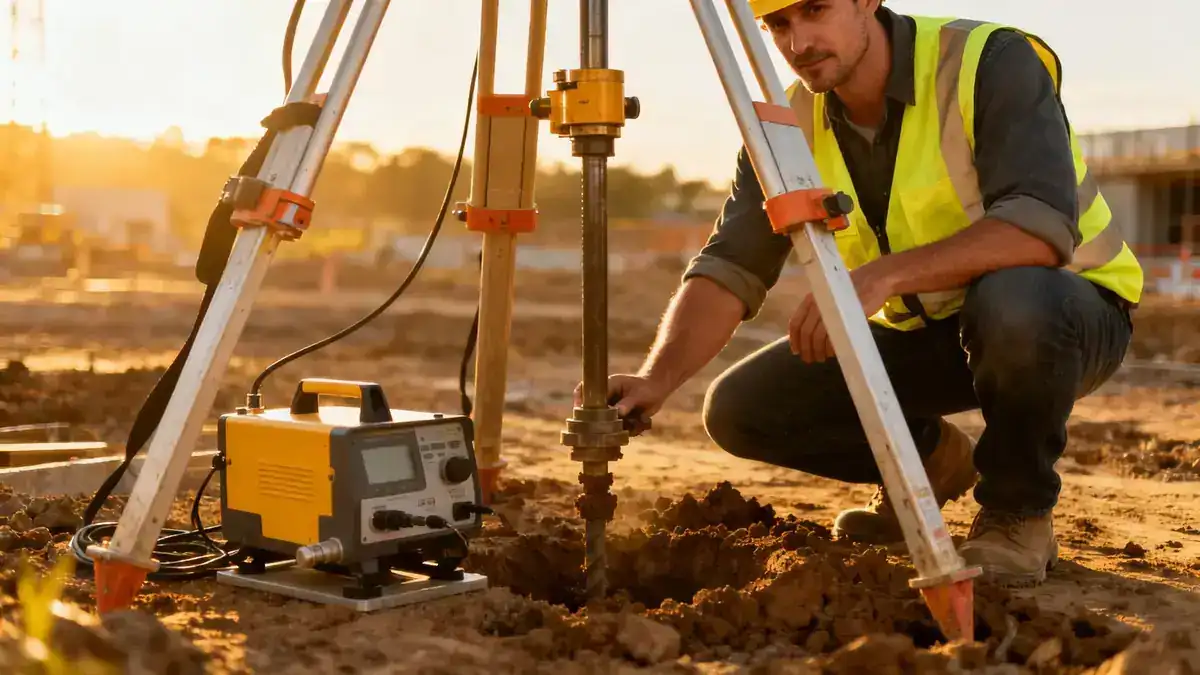
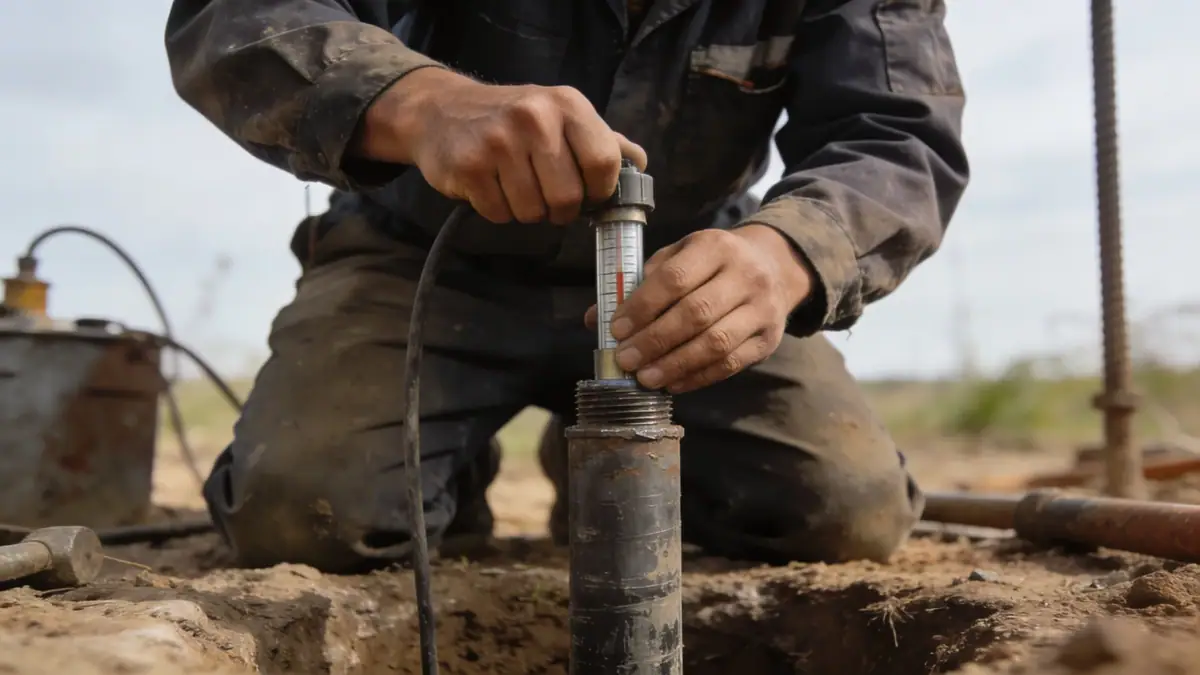
Our methodology for geotechnical engineering in Quebec City integrates standard and advanced techniques. We begin with a desk study of local geology and hydrogeology, followed by field investigations including spt boring to characterize soil stratigraphy and strength. Laboratory testing on undisturbed samples determines consolidation and shear parameters. For seismic design, we evaluate site class per NBCC 2020 using shear wave velocity measurements. All work follows ASTM D1586 for SPT and ASTM D2488 for soil classification, ensuring data quality and regulatory compliance.
Reference Technical Parameters
| Parameter | Reference Value |
|---|---|
| Predominant soil type | Marine clay (Champlain Sea), glacial till, alluvial sand |
| Maximum seismic acceleration (PGA) | 0.2–0.4 g (NBCC 2020, Site Class C/D) |
| Typical groundwater level | 1–5 m below grade, varies seasonally |
| Bedrock depth | 5–30 m (shallow in upper town, deep in lower town) |
| Typical N60 range | 2–10 in clay, 10–40 in till, 30–50+ in sand |
Local Considerations — Quebec City
Quebec City's geology is dominated by Champlain Sea clay, a sensitive marine deposit prone to high compressibility and low shear strength. Glacial till and fluvial sands overlay bedrock at variable depths. Groundwater levels are shallow in low-lying areas, requiring dewatering considerations. Seismic hazard is moderate, with PGA values up to 0.4g per NBCC 2020. Our team integrates these factors into every project, leveraging our soil mechanics laboratory for advanced testing. For broader regional context, see our geotechnical engineering en Montreal hub.
Request a Quote
Our team reviews your project and issues an initial report at no cost.
Or write us directly at [email protected]
Services in Quebec City
Applicable Standards
- National Building Code of Canada (NBCC) 2020
- ASTM D1586 (Standard Test Method for SPT)
- ASTM D2488 (Soil Description and Identification)
- Quebec Construction Code (Chapter I, Building)
Frequently Asked Questions
What soil types are commonly encountered in Quebec City?
Quebec City primarily features marine clay from the ancient Champlain Sea, often soft and sensitive. Glacial till and sand deposits are also present, especially near the St. Lawrence River. Bedrock is typically limestone or shale, at depths varying from 5 to 30 meters.
Is seismic design required for geotechnical engineering in Quebec City?
Yes, Quebec City falls under moderate seismic hazard according to NBCC 2020, with peak ground accelerations up to 0.4g. Site-specific seismic response analysis is often required for important structures, including determination of site class and liquefaction potential.
Are geotechnical studies mandatory for construction projects in Quebec City?
While not explicitly mandated for all projects, the Quebec Construction Code and NBCC 2020 require foundation design based on adequate subsurface information. Most municipalities and lending institutions demand a geotechnical report for permits, especially for larger or complex structures.