Methodology
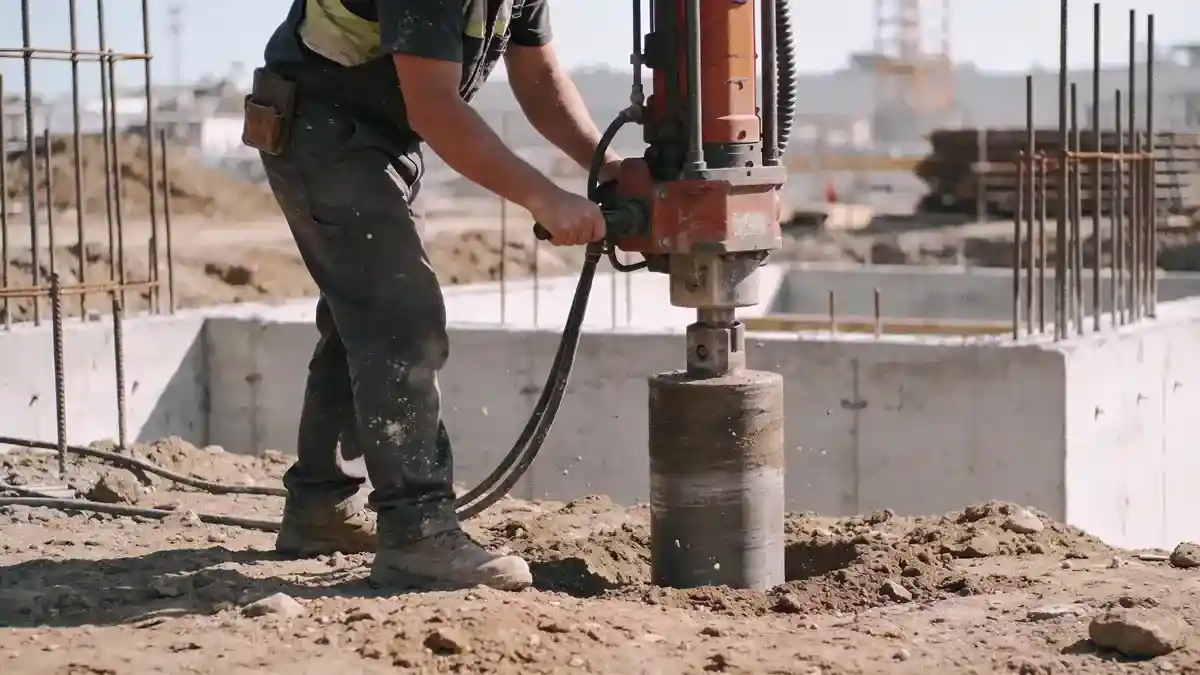
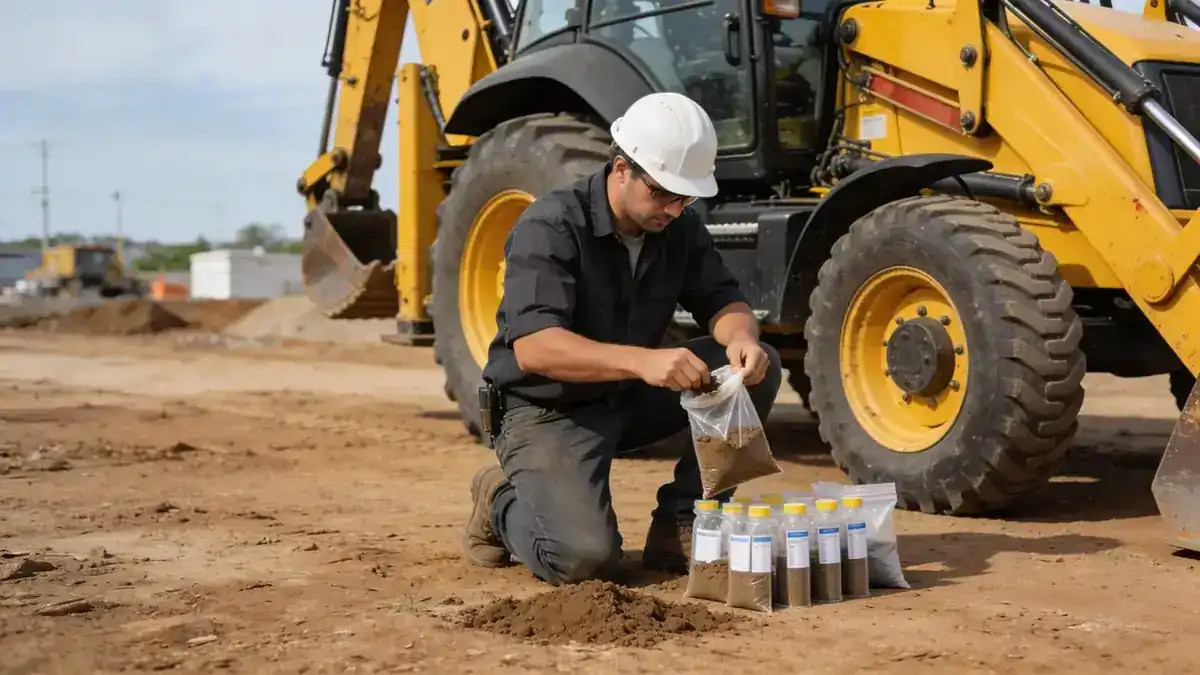
Our approach to geotechnical engineering in Port Coquitlam integrates site-specific field investigations with advanced laboratory testing. We typically begin with a review of existing geological maps and previous studies, then conduct subsurface explorations such as spt boring to characterize soil profiles in accordance with ASTM D1586. Groundwater monitoring and in-situ testing complement the borehole data. Samples are analyzed in our soil mechanics laboratory for index properties and strength parameters. The findings are synthesized into a geotechnical report that provides foundation recommendations, seismic design criteria, and construction considerations tailored to Port Coquitlam’s conditions.
Reference Technical Parameters
| Parameter | Reference Value |
|---|---|
| Predominant soil type | Glacial till and alluvial silts |
| Maximum seismic acceleration (PGA) | 0.35g to 0.40g (NBCC 2020) |
| Typical groundwater level | 1.5 m to 3.0 m below grade |
| Bedrock depth | 5 m to 30 m (variable) |
| Typical N60 range | 10 to 40 blows/300 mm |
Local Considerations — Port Coquitlam
Port Coquitlam lies within the Fraser Lowland, underlain by glacial and post-glacial sediments. The area is seismically active due to the Cascadia subduction zone, necessitating site-specific seismic hazard analyses per NBCC 2020. Shallow groundwater is common, requiring dewatering considerations for excavations. Soils vary from dense glacial till in the north to soft alluvial deposits near the Pitt River. Our team incorporates these factors into every geotechnical engineering in Port Coquitlam project. For broader expertise, we also offer geotechnical engineering in Vancouver. Additionally, our slope stability services address landslide risks in areas with steep terrain along the riverbanks.
Request a Quote
Our team reviews your project and issues an initial report at no cost.
Or write us directly at [email protected]
Services in Port Coquitlam
Applicable Standards
- ASTM D1586 (Standard Test Method for Standard Penetration Test)
- NBCC 2020 (National Building Code of Canada)
- BC Building Code 2024
- Canadian Foundation Engineering Manual (CFEM)
Frequently Asked Questions
What types of soil are commonly found in Port Coquitlam?
Port Coquitlam’s soils are predominantly glacial till, alluvial silts, and sands. Glacial till provides good bearing capacity, while alluvial deposits can be loose and require compaction. Variable conditions across the city demand site-specific investigations.
Is seismic design required for projects in Port Coquitlam?
Yes, Port Coquitlam is in a high-seismicity zone due to the Cascadia subduction zone. NBCC 2020 specifies peak ground accelerations of 0.35g to 0.40g. Geotechnical reports must include seismic site classification and liquefaction assessments.
Are geotechnical studies mandatory for residential construction in Port Coquitlam?
While not always mandatory for single-family homes on stable sites, most municipalities in the Metro Vancouver area require a geotechnical report for subdivisions, townhouses, and any development on sloping or potentially unstable ground. We recommend a study for all projects to mitigate risks.