Methodology
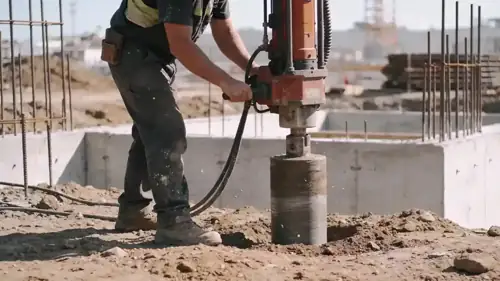
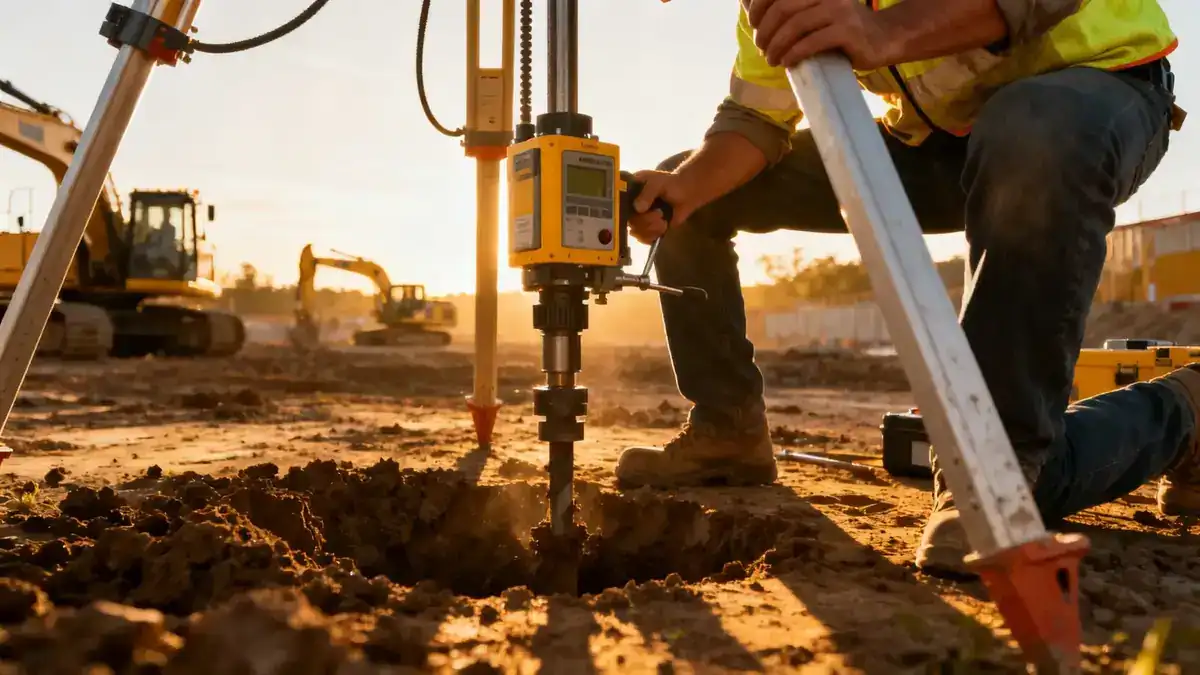
Our methodology for geotechnical engineering in Peterborough Ontario begins with a comprehensive review of regional geology and existing borehole data. We then conduct field investigations including spt boring to assess soil stratification and strength, typically advancing boreholes to depths of 8 to 15 meters for residential projects. Laboratory testing on retrieved samples follows ASTM D1586 standards for N60 values and includes grain size distribution, Atterberg limits, and consolidation tests. Groundwater monitoring is integrated to account for seasonal fluctuations. All data is synthesized into a geotechnical report that provides foundation recommendations, bearing capacities, and settlement analyses tailored to Peterborough Ontario’s soil conditions.
Reference Technical Parameters
| Parameter | Reference Value |
|---|---|
| Predominant soil type | Glacial till and lacustrine clay |
| Typical N60 range (blows/300mm) | 4–25 (clay) to 30–60 (till) |
| Maximum seismic acceleration (PGA) | 0.2g (NBCC 2020, Site Class D) |
| Typical groundwater level | 2–5 m below ground surface |
| Bedrock depth | 10–30 m (limestone/shale) |
Local Considerations — Peterborough Ontario
Peterborough Ontario’s geology is dominated by Pleistocene glacial deposits: dense basal till in elevated areas and soft to firm lacustrine clay in lowlands. The city lies in Seismic Zone 2 per the Ontario Building Code, with a peak ground acceleration of 0.2g for Site Class D. Groundwater levels are shallow (2–5 m) in the Otonabee River valley, requiring dewatering considerations for excavations. Comparing the downtown sector (till, higher bearing capacity) versus the north end (clay, potential settlement issues) underscores the need for site-specific investigations. Our team has extensive experience with local soil conditions, supporting projects ranging from residential foundations to slope stability assessments. For broader context, see our geotechnical engineering in Toronto practice.
Request a Quote
Our team reviews your project and issues an initial report at no cost.
Or write us directly at [email protected]
Services in Peterborough Ontario
Applicable Standards
- ASTM D1586
- National Building Code of Canada (NBCC) 2020
- Ontario Building Code (OBC) Part 4
- CSA A23.1 (concrete materials)
Frequently Asked Questions
What are the typical soil types encountered in Peterborough Ontario?
Peterborough Ontario’s soils are predominantly glacial till (dense sand, silt, gravel, and clay) and lacustrine clay deposits from glacial Lake Algonquin. Till provides good bearing capacity, while clay layers may be soft and require deeper foundations or ground improvement.
What seismic design considerations apply in Peterborough Ontario?
Peterborough Ontario is in Seismic Zone 2 per the Ontario Building Code, with a peak ground acceleration of 0.2g for Site Class D. Geotechnical reports must provide site-specific soil classification and liquefaction potential assessment per NBCC 2020.
Are geotechnical investigations mandatory for all construction in Peterborough Ontario?
For most commercial, industrial, and multi-unit residential buildings, geotechnical investigations are required by the Ontario Building Code. Single-family homes may not be mandatory, but our team recommends site-specific studies to mitigate risks from variable soil conditions.