Methodology
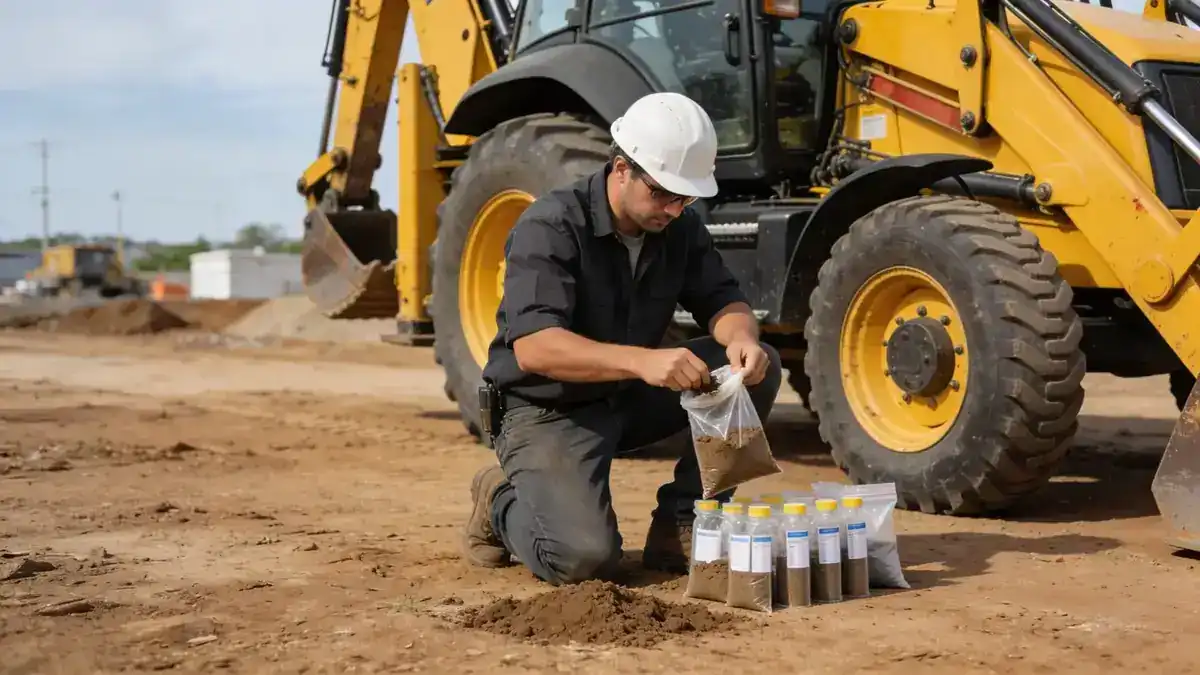
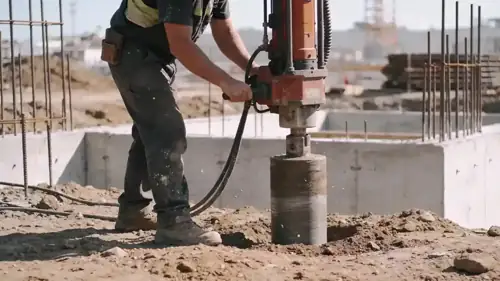
Our methodology for geotechnical engineering in Oshawa follows established standards, including ASTM D1586 for standard penetration testing. We begin with a site reconnaissance and review of existing geological maps. Subsurface exploration employs spt boring at intervals of 1.0–1.5 m to obtain N60 values and undisturbed samples. Laboratory testing classifies soils (ASTM D2487) and measures shear strength (ASTM D3080) and consolidation parameters (ASTM D2435). This data informs bearing capacity, settlement estimates, and foundation recommendations tailored to Oshawa’s glacial till and clay strata.
Reference Technical Parameters
| Parameter | Reference Value |
|---|---|
| Predominant soil type | Glacial till and lacustrine clay |
| Maximum seismic acceleration (PGA) | 0.15g (NBCC 2020) |
| Typical groundwater level | 2–5 m below grade |
| Bedrock depth | 5–15 m (shale) |
| Typical N60 range | 10–30 blows/0.3 m |
Local Considerations — Oshawa
Oshawa’s geology—glacial till over shale—creates variable bearing capacities across neighborhoods. In northern areas (e.g., North Oshawa), thicker till deposits require deeper foundations, while southern zones near Lake Ontario may encounter soft lacustrine clays. Seismic hazard is low (PGA ≈ 0.15g), but liquefaction potential exists in loose sands along creek valleys. Our team integrates these factors into every geotechnical engineering in Oshawa project, referencing local building codes and historical performance. For regional context, we coordinate with our geotechnical engineering en Toronto office to align with broader Durham Region standards.
Request a Quote
Our team reviews your project and issues an initial report at no cost.
Or write us directly at [email protected]
Services in Oshawa
Applicable Standards
- ASTM D1586
- NBCC 2020
- Ontario Building Code (OBC) 2012
- ASTM D2487
- ASTM D3080
Frequently Asked Questions
What soil types are typically found in Oshawa?
Oshawa’s soils are predominantly glacial till (silty sand with gravel) and lacustrine clay. Till is dense and provides good bearing capacity, while clay may require deeper foundations. Bedrock is shallow shale of the Whitby Formation, typically 5–15 m deep.
Is seismic design required for geotechnical engineering in Oshawa?
Oshawa is in NBCC 2020 seismic zone 0 with a PGA of 0.15g. While seismic design is not mandatory for all structures, site-specific analysis is recommended for critical facilities or sites with liquefaction potential. Our team evaluates these risks per code.
Are geotechnical studies mandatory for construction in Oshawa?
The Ontario Building Code requires a geotechnical study for most buildings on variable or soft soils. In Oshawa, studies are typically needed for foundations, retaining walls, and slope stability. Our team provides the required reports to obtain permits.