Methodology
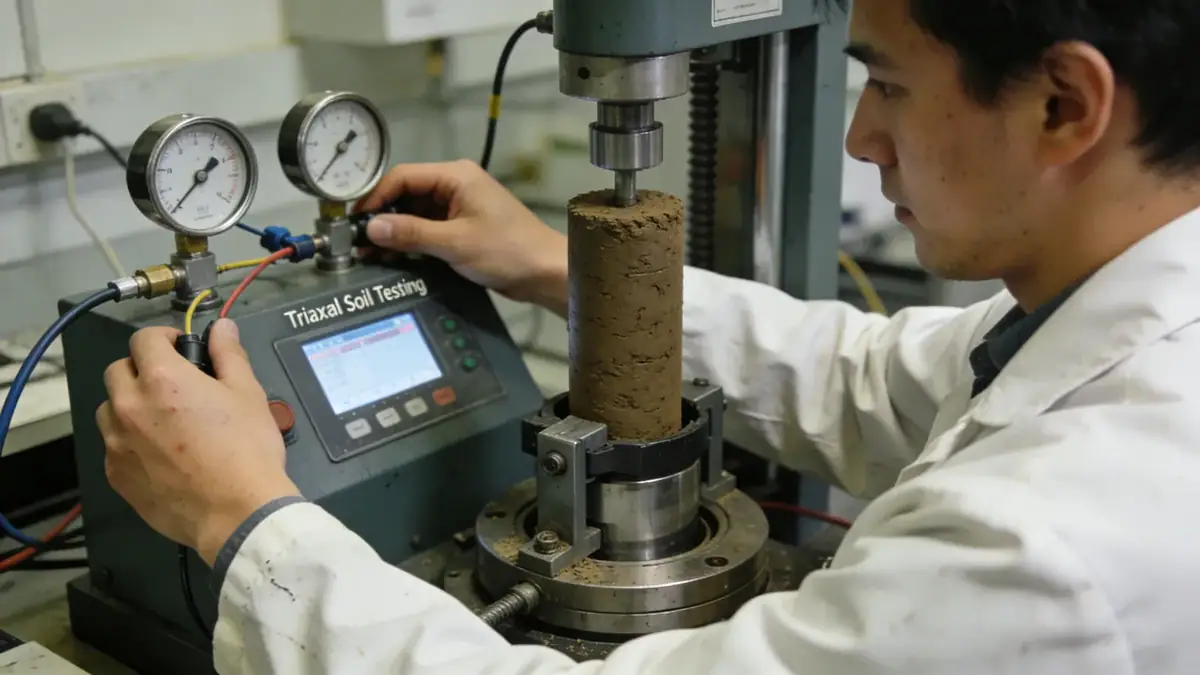
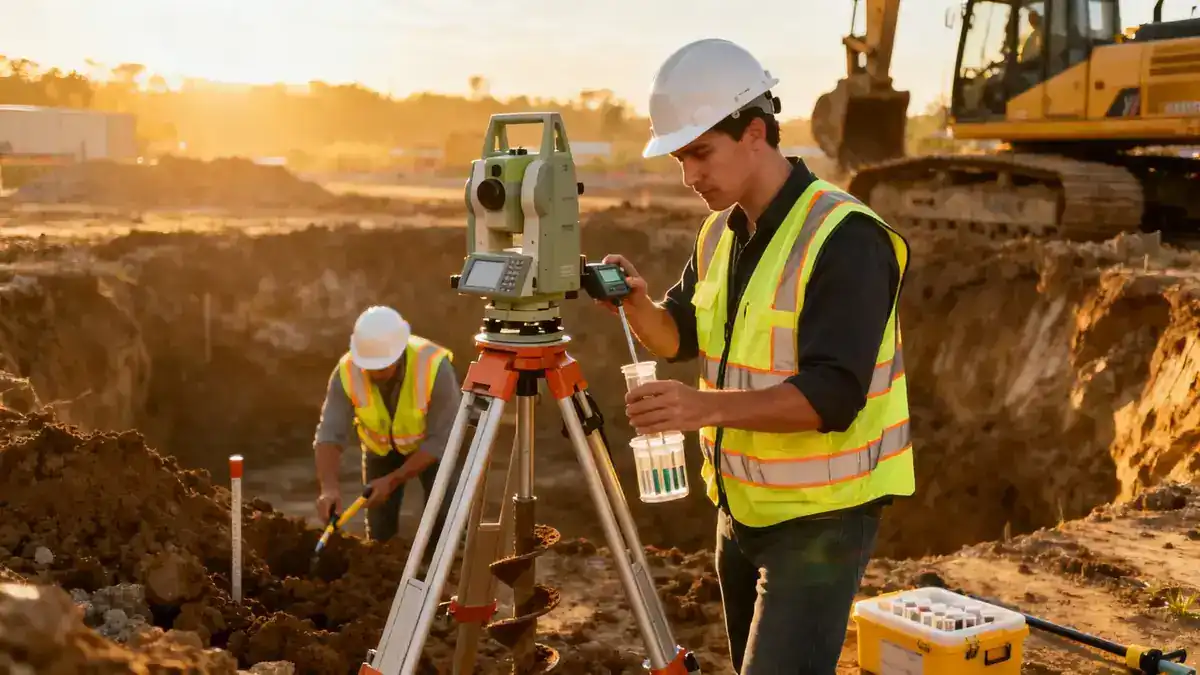
Our methodology for geotechnical engineering in North Vancouver begins with a thorough review of existing geological maps and borehole records. We then conduct field investigations including standard penetration testing (SPT) as per ASTM D1586, with sampling intervals typically every 1.5 m. For deeper profiles, we utilize cone penetration testing (CPT) to obtain continuous stratigraphic data. Our spt boring operations are calibrated to local conditions, ensuring representative N60 values. Laboratory testing follows ASTM standards for index properties, strength, and consolidation. All data is integrated into a geotechnical model that supports foundation design, earthworks, and seismic hazard analysis.
Reference Technical Parameters
| Parameter | Reference Value |
|---|---|
| Predominant soil type | Glacial till, marine clay, and sand |
| Maximum seismic acceleration (PGA) | 0.46 g (NBCC 2020, Site Class C) |
| Typical groundwater level | 1.5 to 5 m below surface (seasonal variation) |
| Bedrock depth | Variable, 0 to 30 m (shallower on slopes) |
| Typical N60 range | 10–50 blows/0.3 m (clay to dense till) |
Local Considerations — North Vancouver
North Vancouver's geology is dominated by glacial till, marine clay, and alluvial deposits from Capilano and Seymour Rivers. The city is in a high seismic zone (NBCC 2020, PGA 0.46g for Site Class C), requiring detailed site-specific seismic hazard assessments. Groundwater levels are shallow near the waterfront, posing challenges for excavations and foundations. Slopes in areas like Edgemont and Deep Cove demand rigorous stability analysis to mitigate landslide risks. Our team integrates local knowledge with advanced modeling, referencing geotechnical engineering en Vancouver for regional context. We also apply slope stability expertise to address these unique conditions.
Request a Quote
Our team reviews your project and issues an initial report at no cost.
Or write us directly at [email protected]
Services in North Vancouver
Applicable Standards
- ASTM D1586
- NBCC 2020 (National Building Code of Canada)
- BCBC 2024 (British Columbia Building Code)
- CSA A23.3 (Concrete Design)
- CAN/CSA-S6 (Canadian Highway Bridge Design Code)
Frequently Asked Questions
What soil types are most common in North Vancouver?
North Vancouver features glacial till, marine clay, and sand deposits. Till is dense and suitable for foundations, while marine clays are soft and require deep foundations or ground improvement. Sand layers are common near waterways.
Is a geotechnical study mandatory for new construction in North Vancouver?
Yes, the BC Building Code requires a geotechnical investigation for most buildings, especially in high seismic zones. Local bylaws may also mandate slope stability assessments for hillside developments.
How does seismic activity affect foundation design in North Vancouver?
The region has a PGA of 0.46g, requiring designs per NBCC 2020. Soil liquefaction potential in loose sands and soft clays must be evaluated. Foundations often include piles or deep footings to mitigate seismic risks.