Methodology
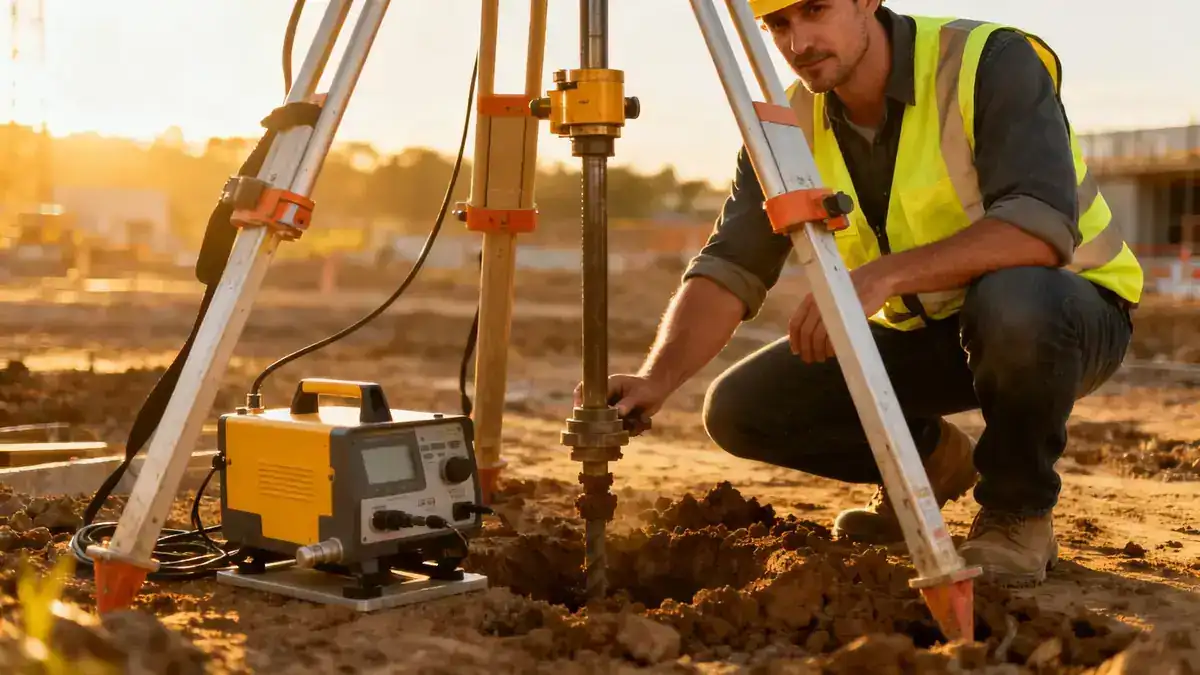
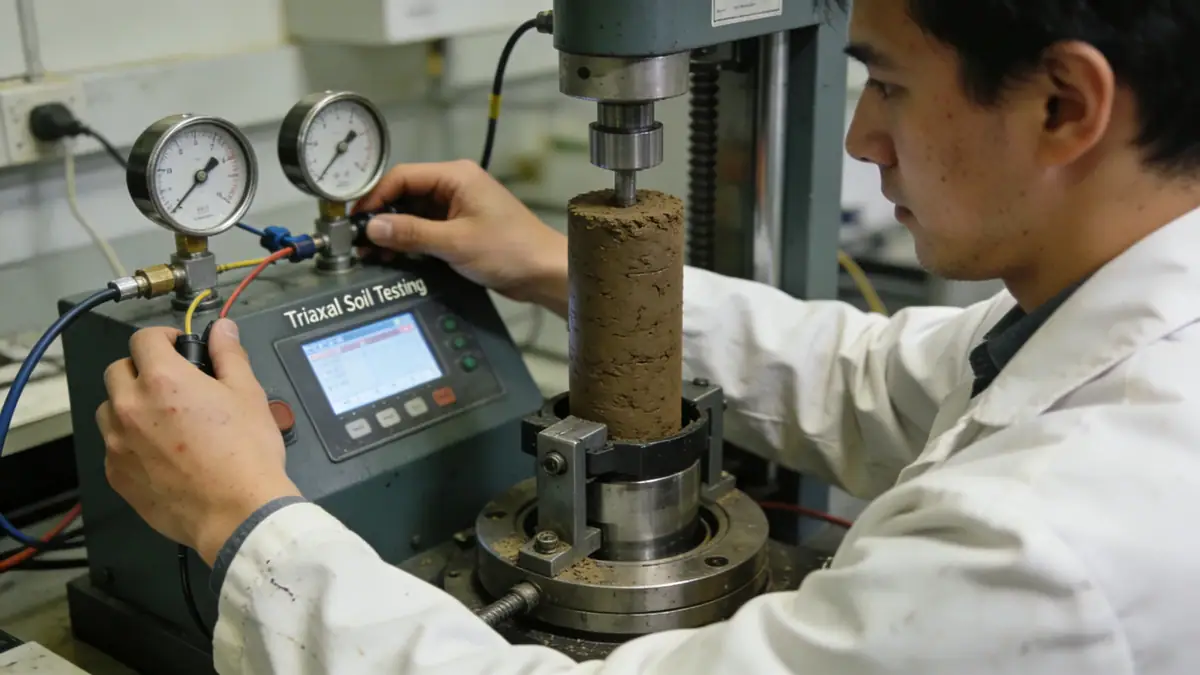
Our methodology integrates systematic site investigation through spt boring following ASTM D1586, with sampling intervals of 1.0–1.5 m and depths up to 30 m for commercial projects. We augment this with continuous soil profiling via Cone Penetration Testing (CPT) and in-situ permeability tests. In our soil mechanics laboratory, we conduct grain-size analysis (ASTM D6913, D7928), Atterberg limits (ASTM D4318), and direct shear tests (ASTM D3080) to classify soils and assess shear strength. All data is integrated into a 3D subsurface model tailored to Niagara Falls Ontario's stratigraphy, providing a reliable basis for foundation design and slope stability assessments.
Reference Technical Parameters
| Parameter | Reference Value |
|---|---|
| Predominant Soil Type | Glacial till, silty sand, and alluvial deposits |
| Maximum Seismic Acceleration (PGA) | 0.15g–0.25g (per NBCC 2020 seismic hazard maps) |
| Typical Groundwater Level | 1.5–4.0 m below grade (varies seasonally) |
| Bedrock Depth | 5–20 m (shallow near the Niagara Escarpment) |
| Typical N60 Range (SPT) | 10–40 blows/0.3 m (glacial till) |
Local Considerations — Niagara Falls Ontario
Niagara Falls Ontario's geology is shaped by glacial processes, with a mix of glacial till, glaciolacustrine silts, and alluvial sands. The Niagara Escarpment exposes shallow bedrock (dolomite, shale) in western areas, while eastern zones have deeper deposits. Groundwater levels fluctuate with the Niagara River and seasonal recharge, often requiring dewatering for excavations. Seismic hazard is moderate (PGA 0.15–0.25g), per NBCC 2020, demanding site-specific response spectra for essential structures. Our team integrates these factors with local building codes, referencing our slope stability expertise for escarpment-edge developments. For broader context, our geotechnical engineering en Toronto hub provides regional insights applicable to Niagara Falls Ontario.
Request a Quote
Our team reviews your project and issues an initial report at no cost.
Or write us directly at [email protected]
Services in Niagara Falls Ontario
Applicable Standards
- ASTM D1586 (Standard Test Method for SPT)
- National Building Code of Canada 2020 (NBCC)
- Ontario Building Code (OBC 2012)
- Canadian Foundation Engineering Manual (CFEM 5th Edition)
- ASTM D2487 (Unified Soil Classification System)
Frequently Asked Questions
What soil types are commonly encountered in Niagara Falls Ontario?
The area predominantly features glacial till (silty sand with gravel), glaciolacustrine silts, and alluvial deposits near the river. Shallow bedrock, especially dolomite and shale, is present along the Niagara Escarpment. These soils require careful evaluation for foundation design.
How does seismic hazard affect geotechnical design in Niagara Falls?
Niagara Falls Ontario falls within moderate seismic zones per NBCC 2020, with PGA values of 0.15–0.25g. Site-specific response spectra are required for essential buildings. Soil amplification from soft deposits must be considered, and liquefaction potential in saturated sands is evaluated for critical projects.
Are geotechnical investigations mandatory for construction in Niagara Falls?
Yes, the Ontario Building Code mandates geotechnical investigations for most buildings, especially those exceeding three stories or with sensitive foundations. Local municipalities may require site-specific reports for developments near the escarpment or river. Our investigations ensure compliance and safety.