Methodology
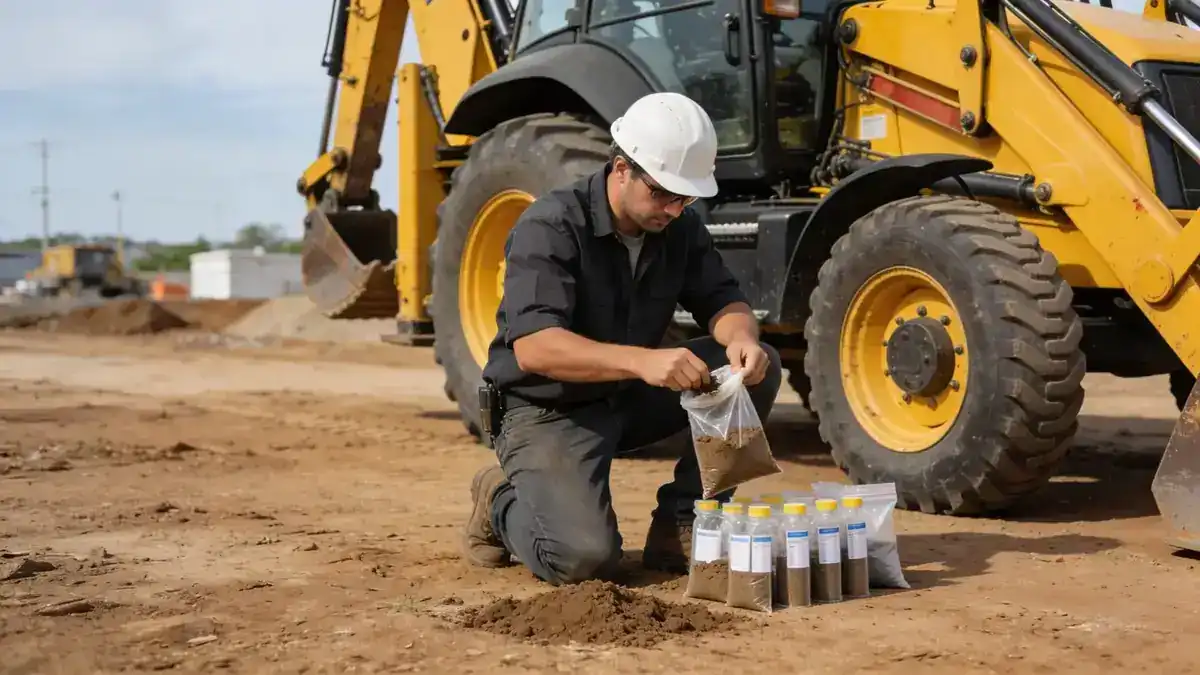
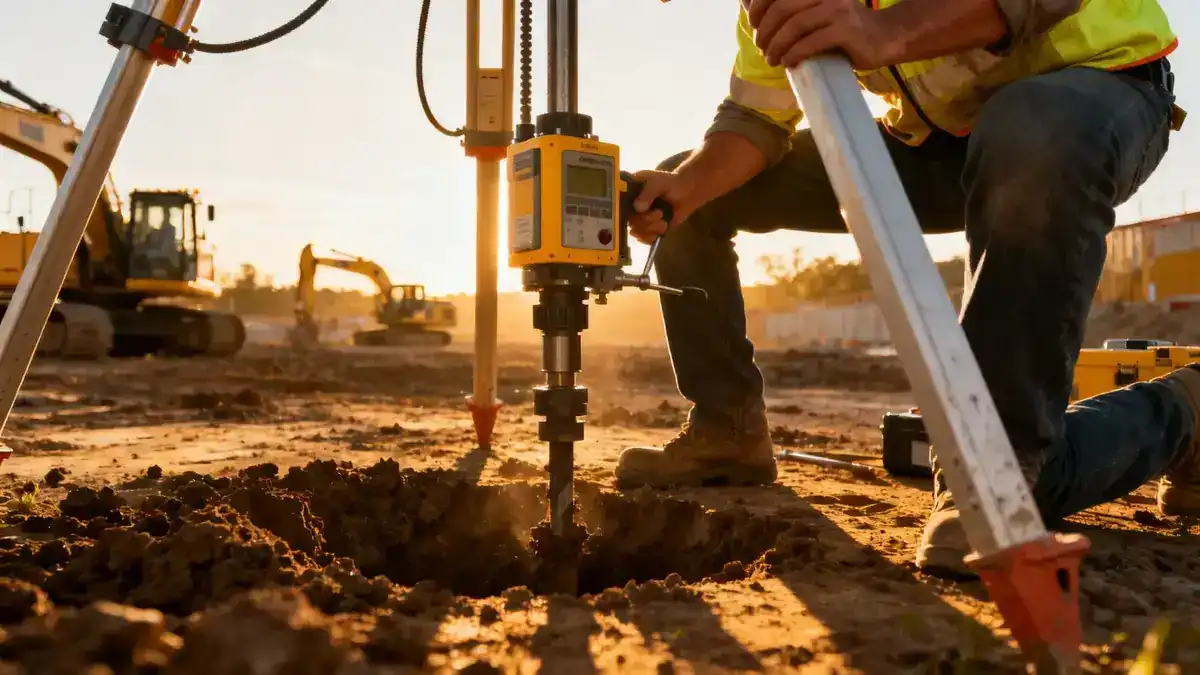
Our methodology for geotechnical engineering in Nanaimo begins with a thorough desk study of geological maps and previous borehole logs. Field investigations typically involve spt boring at depths of 8–15 m for residential sites, with sampling intervals per ASTM D1586. We assess soil stratigraphy, groundwater levels, and strength parameters through standard penetration tests and laboratory analysis. Data is interpreted using established correlations to develop design parameters for foundations, slopes, and retaining structures. This systematic approach ensures reliable recommendations for Nanaimo's diverse ground conditions.
Reference Technical Parameters
| Parameter | Reference Value |
|---|---|
| Predominant soil type | Glacial till and marine clay |
| Maximum seismic acceleration (PGA) | 0.2g–0.4g (per NBCC 2020) |
| Typical groundwater level | 1.5–4 m below surface |
| Bedrock depth | Variable, typically 10–30 m in lowlands |
| Typical N60 range | 8–25 (clay), 30–50 (till) |
Local Considerations — Nanaimo
Nanaimo's geology is shaped by glacial and marine processes. The low-lying areas near Departure Bay and the Nanaimo River delta feature soft marine clays and organic silts, often with shallow groundwater (1.5–3 m). In contrast, upland neighborhoods like Harewood and Chase River exhibit dense glacial till over bedrock. Seismic design is critical due to moderate hazard (PGA up to 0.4g). Our team addresses these contrasts through tailored investigations, referencing our soil mechanics laboratory for precise characterization. For broader context, our geotechnical engineering en Vancouver team applies similar methodologies in comparable coastal settings.
Request a Quote
Our team reviews your project and issues an initial report at no cost.
Or write us directly at [email protected]
Services in Nanaimo
Applicable Standards
- ASTM D1586 (Standard Penetration Test)
- NBCC 2020 (National Building Code of Canada)
- BC Building Code 2024
- Eurocode 7 (for comparison in international projects)
Frequently Asked Questions
What are the typical soil conditions for geotechnical engineering in Nanaimo?
Nanaimo features a mix of glacial till, marine clay, and organic deposits. Lowland areas have soft clay with shallow groundwater, while uplands have dense till over bedrock. These variations require site-specific investigations for reliable foundation design.
Is seismic design mandatory for geotechnical engineering in Nanaimo?
Yes. Nanaimo is in a moderate seismic zone per NBCC 2020, with PGA values up to 0.4g. Seismic hazard assessments and liquefaction analyses are typically required for building permits, especially on soft soils.
Do I need a geotechnical report for a residential project in Nanaimo?
While not always legally required, a geotechnical report is strongly recommended. It identifies soil bearing capacity, groundwater conditions, and seismic risks, preventing costly foundation failures and ensuring compliance with the BC Building Code.