Methodology
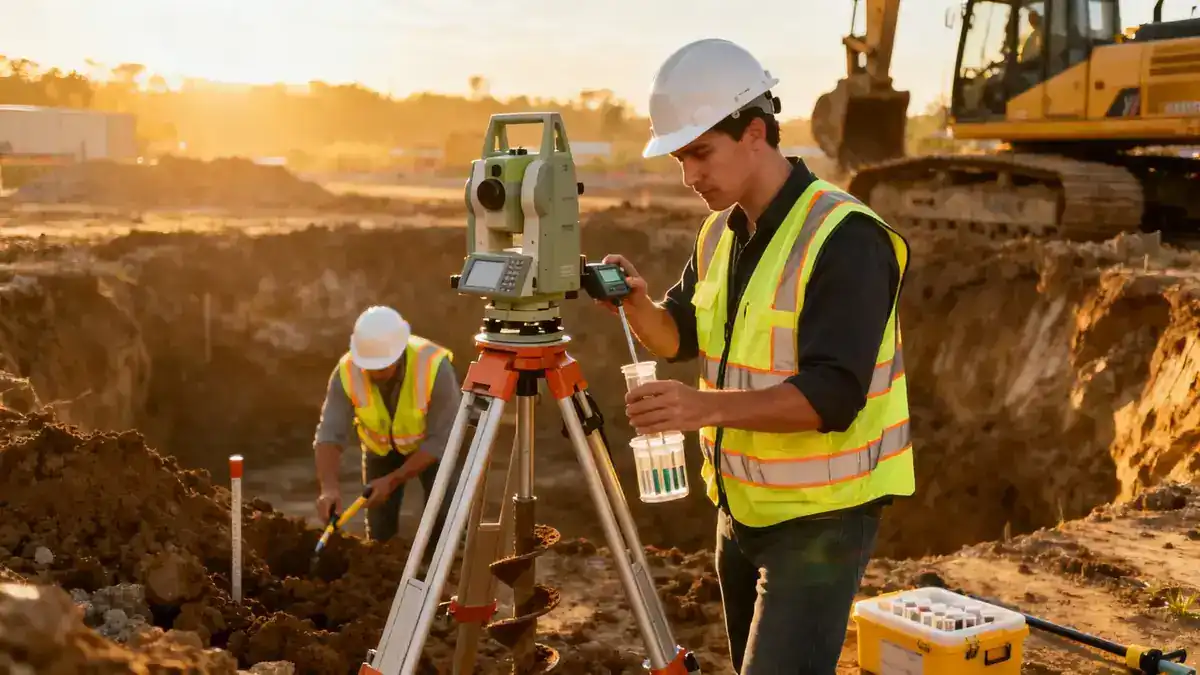
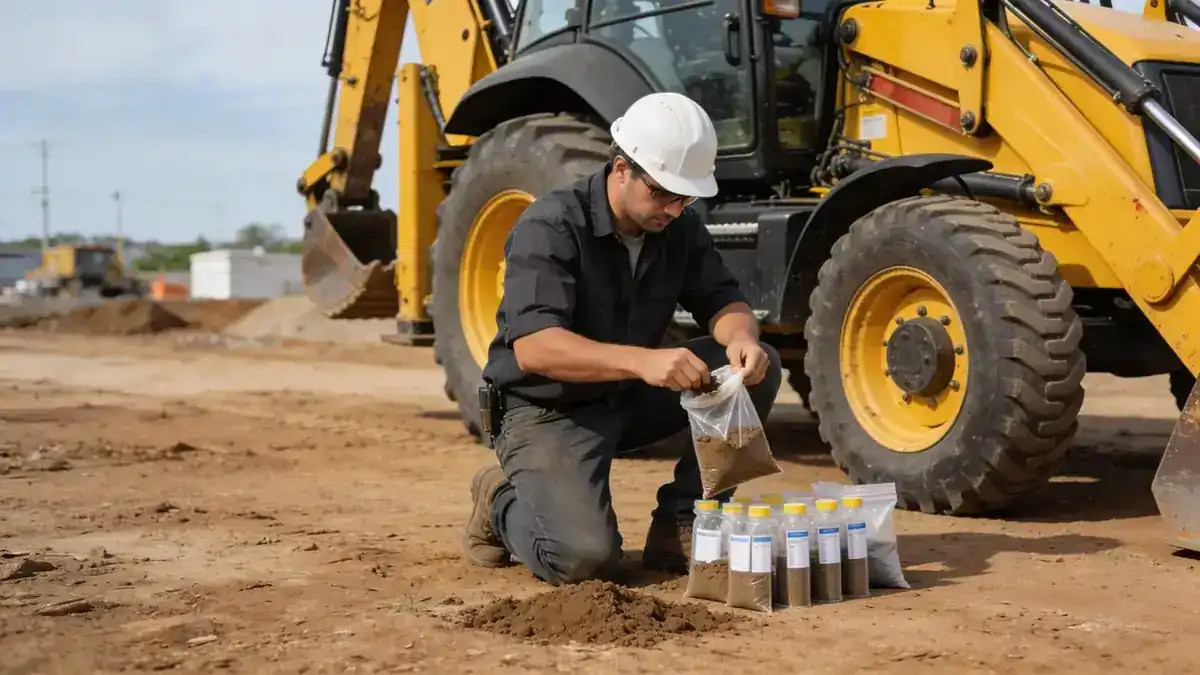
Our methodology for geotechnical engineering in Milton Ontario follows a systematic approach tailored to local geology. We begin with a thorough desk study and site reconnaissance to identify potential hazards. Field investigations include spt boring to obtain disturbed and undisturbed soil samples, and to perform standard penetration tests (SPT) per ASTM D1586. We also conduct test pits and, where necessary, cone penetration tests (CPT) for continuous stratigraphic profiling. All samples are analyzed in our accredited soil mechanics laboratory for index properties, strength, and consolidation characteristics. This data is integrated into a geotechnical model that supports foundation design, slope stability analysis, and earthworks recommendations, ensuring compliance with the Ontario Building Code and local municipality requirements.
Reference Technical Parameters
| Parameter | Reference Value |
|---|---|
| Predominant soil type | Glacial till (silty sand to sandy silt) with cobbles and boulders |
| Maximum seismic acceleration (PGA) | 0.2g to 0.3g (Ontario Building Code 2012, seismic hazard map) |
| Typical groundwater level | 1.5 to 3.0 m below ground surface (seasonal variation) |
| Bedrock depth | 10 to 30 m (Ordovician limestone/shale) |
| Typical N60 range (SPT) | 10 to 50 blows/0.3m (dense to very dense till) |
Local Considerations — Milton Ontario
Milton Ontario is underlain by glacial till deposits of the Halton Till, characterized by dense silty sands and sandy silts with variable cobble and boulder content. Groundwater levels are generally shallow, typically encountered at depths of 1.5 to 3.0 m, requiring careful dewatering considerations for excavations. The region falls within seismic hazard zones with peak ground accelerations up to 0.3g, necessitating site-specific seismic response analysis for certain structures. Local municipalities have specific requirements for geotechnical reports, particularly for subdivisions and commercial developments. Our team is experienced in navigating these local regulations. For projects requiring regional context, we coordinate with our geotechnical engineering en Toronto office to ensure consistency across the Greater Toronto Area. Additionally, we provide soil mechanics laboratory services for comprehensive soil characterization.
Request a Quote
Our team reviews your project and issues an initial report at no cost.
Or write us directly at [email protected]
Services in Milton Ontario
Applicable Standards
- ASTM D1586
- Ontario Building Code 2012 (OBC)
- Canadian Foundation Engineering Manual (CFEM)
- CSA A23.3-14 (Concrete Design)
Frequently Asked Questions
What are the typical soil conditions in Milton Ontario?
Milton Ontario is predominantly underlain by glacial till, consisting of dense silty sand and sandy silt with cobbles and boulders. The soil is generally competent for shallow foundations, but variations in density and groundwater levels require site-specific investigation.
Is a geotechnical study required for residential construction in Milton?
While not always mandatory for single-family homes, many local municipalities in Milton Ontario require a geotechnical report for new subdivisions, townhouses, and any structure with basement excavations deeper than 1.2 m. It is strongly recommended to avoid costly issues.
What seismic considerations apply to Milton Ontario?
Milton Ontario is in a moderate seismic zone with peak ground accelerations of 0.2g to 0.3g per the Ontario Building Code. Site-specific seismic response analysis may be required for buildings with high importance factors or soft soil conditions.