Methodology
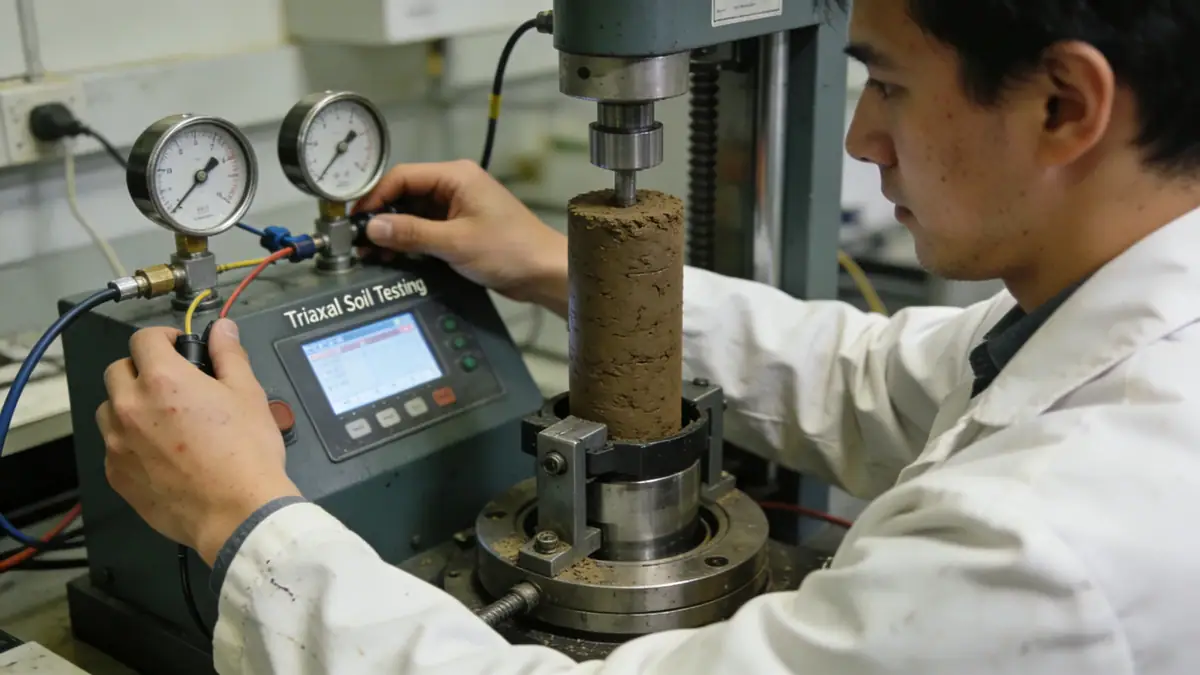
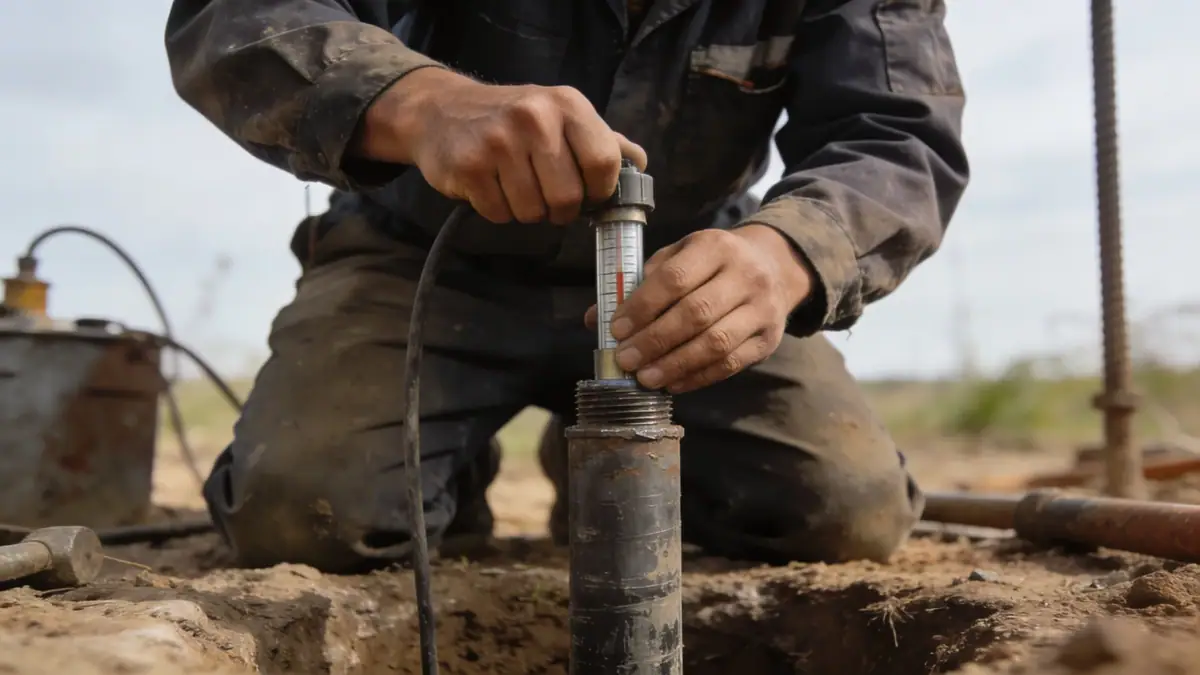
Our methodology for geotechnical engineering in Markham follows a systematic approach that integrates field investigation, laboratory testing, and numerical analysis. We typically begin with a review of existing geological maps and borehole records to develop a preliminary subsurface model. Field work includes spt boring at planned locations to recover soil samples and measure penetration resistance. In our laboratory, index properties and strength parameters are determined according to ASTM D1586 and other relevant standards. Data interpretation leads to design parameters for shallow or deep foundations, retaining walls, and slope stability assessments.
Reference Technical Parameters
| Parameter | Reference Value |
|---|---|
| Predominant soil type | Glacial till (silty sand, gravel, clay) |
| Maximum seismic acceleration (PGA) | 0.2g to 0.3g (based on NBCC 2020) |
| Typical groundwater level | 1.5 to 3.0 m below ground surface |
| Bedrock depth | Variable, 10 to 30 m (Ordovician shale/limestone) |
| Typical N60 range | 10 to 40 blows/0.3 m |
Local Considerations — Markham
Markham's geology is dominated by glacial till, with localized deposits of lacustrine clay and silt. High groundwater levels are common, especially near the Rouge River and Don River watersheds, requiring dewatering considerations. Seismic hazard is moderate per NBCC 2020, with site class C or D typical. Northern Markham tends to have shallower bedrock, while southern areas show deeper overburden. Typical projects include high-rise residential towers and industrial parks, where differential settlement and foundation design are critical. Many sites require deep foundations due to compressible soils. For broader context, our team also provides geotechnical engineering in Toronto for comparative regional insight.
Request a Quote
Our team reviews your project and issues an initial report at no cost.
Or write us directly at [email protected]
Services in Markham
Applicable Standards
- ASTM D1586
- ASCE 7
- NBCC 2020
- Ontario Building Code
- CSA A23.3
Frequently Asked Questions
What are the typical soil conditions in Markham?
Markham soils are predominantly glacial tills composed of silty sand, gravel, and clay. Lacustrine deposits and organic layers occur locally. Groundwater levels are typically shallow, ranging from 1.5 to 3.0 m depth.
Is seismic design required for structures in Markham?
Yes, Markham falls within a moderate seismic hazard zone per NBCC 2020, with PGA values between 0.2g and 0.3g. Site-specific seismic response analysis is recommended for important structures.
Are geotechnical studies mandatory for building permits in Markham?
For most commercial and multi-residential projects, the Ontario Building Code requires a geotechnical report. Single-family homes may not require one unless site conditions are problematic.