
Methodology
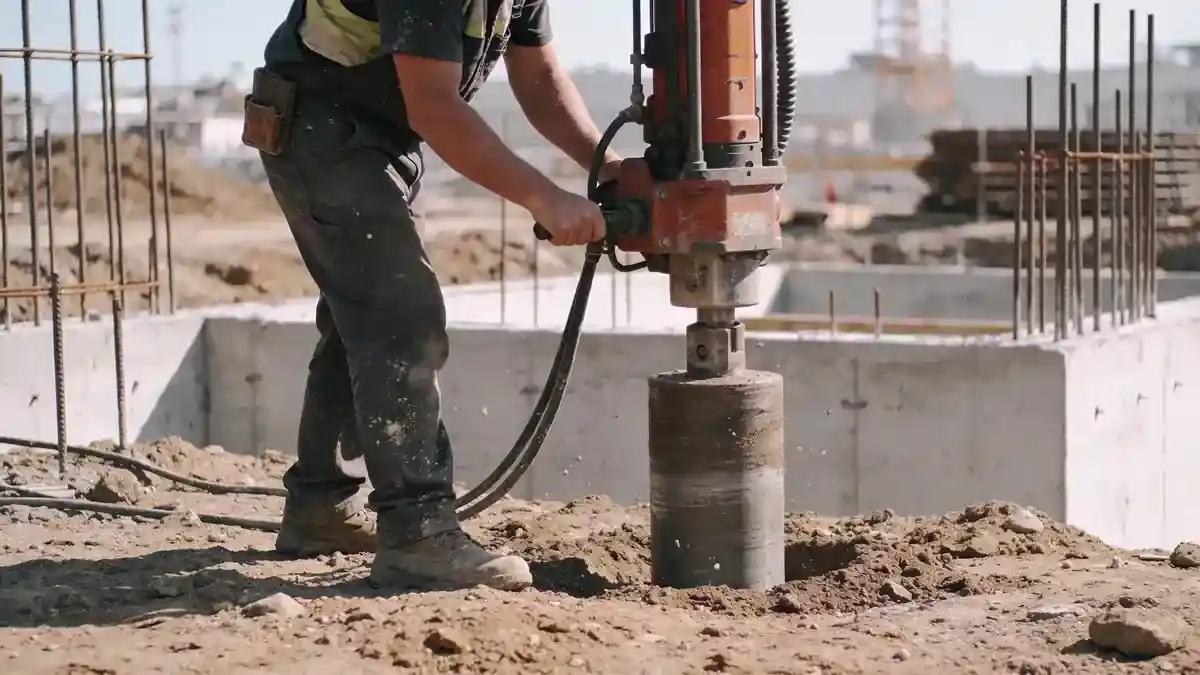
Our methodology for geotechnical engineering in Maple Ridge begins with a detailed desk study of regional geology and historical data. Fieldwork includes spt boring at depths up to 30 meters, with sampling intervals per ASTM D1586. We also perform cone penetration tests (CPT) for continuous profiling. Laboratory testing covers grain size distribution (ASTM D6913), Atterberg limits, and direct shear strength. All data are integrated into a geotechnical model that informs foundation recommendations, slope stability, and seismic design parameters such as PGA and site class per NBCC 2020.
Reference Technical Parameters
| Parameter | Reference Value |
|---|---|
| Predominant soil type | Glacial till over interbedded sands and silts |
| Maximum seismic acceleration (PGA) | 0.35g to 0.45g (NBCC 2020, Site Class C/D) |
| Typical groundwater level | 2–5 m below ground surface (seasonal variation) |
| Bedrock depth | 10–30 m (sandstone/siltstone) |
| Typical N60 range | 10–40 blows/0.3 m (till: 30–80) |
Local Considerations — Maple Ridge
Maple Ridge sits on the Fraser River delta's eastern edge, with soils dominated by glacial deposits, alluvial sediments, and localized organic layers. The region is seismically active, with design PGA values up to 0.45g. Shallow groundwater (2–5 m) requires dewatering considerations for excavations. Slope instability along the mountain front (e.g., Thornhill area) demands detailed slope stability analysis. Urban infill projects often encounter variable fill and compressible silts. Our team leverages extensive local knowledge to address these challenges, with support from our geotechnical engineering en Vancouver office.
Request a Quote
Our team reviews your project and issues an initial report at no cost.
Or write us directly at [email protected]
Services in Maple Ridge
Applicable Standards
- ASTM D1586
- NBCC 2020 (National Building Code of Canada)
- BC Building Code 2024
- CSA A23.3 (Concrete Design)
- ASTM D2487 (Soil Classification)
Frequently Asked Questions
What are the typical soil conditions in Maple Ridge?
Maple Ridge features glacial till, alluvial sands, silts, and occasional organic layers. Bedrock (sandstone/siltstone) lies at 10–30 m depth. Groundwater is shallow, typically 2–5 m below grade, and varies seasonally.
Is seismic design mandatory for projects in Maple Ridge?
Yes, Maple Ridge is in a high seismic zone (PGA up to 0.45g). The BC Building Code requires site-specific seismic hazard assessment, including soil amplification factors, for most structures. Our firm provides these analyses.
Do I need a geotechnical study for a single-family home in Maple Ridge?
While not always mandatory, a geotechnical study is strongly recommended due to variable soil conditions and seismic risk. It ensures safe foundation design and can prevent costly issues like settlement or slope failure.