Methodology
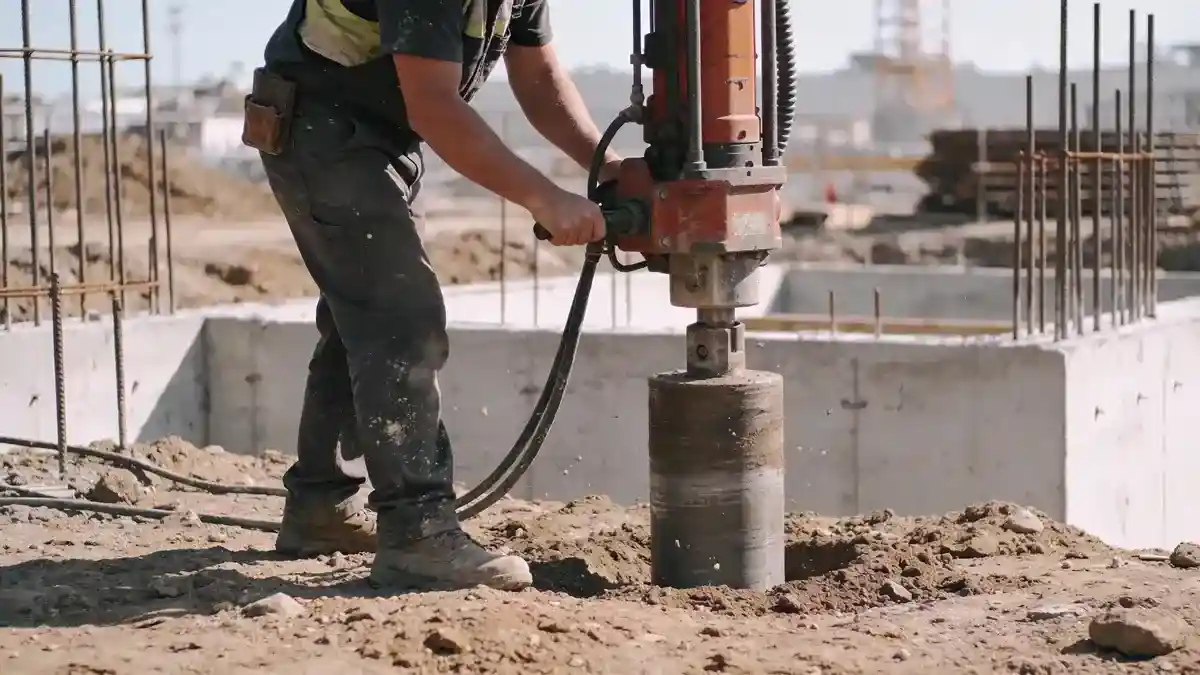
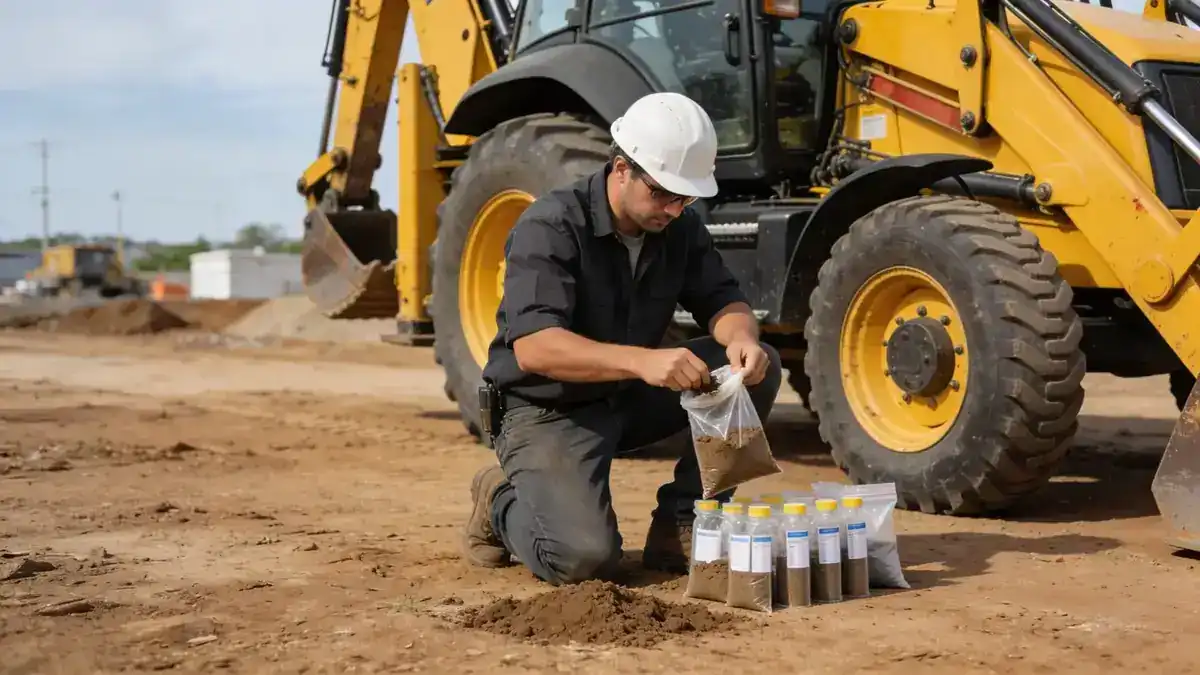
Our methodology in Longueuil begins with a comprehensive desktop study of existing borehole logs and geological maps, followed by a field exploration program tailored to each site. We perform spt boring at intervals of 1.0 to 1.5 m in accordance with ASTM D1586, supplemented by undisturbed sampling of sensitive clays. In the laboratory, we conduct index property tests, consolidation tests (ASTM D2435), and direct shear tests (ASTM D3080) to characterize the soft marine clay. For seismic design, we measure shear wave velocity using downhole or MASW techniques to determine the site class per the National Building Code of Canada. All data are synthesized into a detailed geotechnical report with foundation and earthwork recommendations.
Reference Technical Parameters
| Parameter | Reference Value |
|---|---|
| Predominant soil type | Champlain Sea clay (soft to firm, sensitive) |
| Maximum seismic acceleration (PGA) | 0.2 g to 0.3 g (Site Class C or D) |
| Typical groundwater level | 1.5 m to 3.0 m below grade |
| Bedrock depth | 15 m to 30 m (shallow in northeast Longueuil) |
| Typical N60 range (SPT in clay) | 2 to 8 blows/300 mm |
Local Considerations — Longueuil
Longueuil’s subsurface is dominated by post‑glacial Champlain Sea clay, which can be highly sensitive and subject to significant settlement under load. The water table is typically shallow, requiring careful dewatering and drainage design. Seismic hazard is moderate, with peak ground accelerations up to 0.3 g, necessitating site‑specific response analysis for critical structures. Older neighbourhoods (e.g., Le Vieux‑Longueuil) often have shallow foundations on stiff clays, while new developments in the east may encounter deeper soft clay deposits. Our team regularly addresses challenges such as bearing capacity failures, slope instability along the Saint‑Lawrence River, and foundation heave due to frost action. For a broader regional perspective, refer to our geotechnical engineering en Montreal hub.
Request a Quote
Our team reviews your project and issues an initial report at no cost.
Or write us directly at [email protected]
Services in Longueuil
Applicable Standards
- ASTM D1586 (Standard Penetration Test)
- ASTM D2435 (One‑Dimensional Consolidation)
- ASTM D3080 (Direct Shear Test)
- National Building Code of Canada 2020 (Seismic provisions)
- Quebec Construction Code (Chapter I – Building)
Frequently Asked Questions
What soil types are most common in Longueuil?
The predominant soil is Champlain Sea clay, a soft to firm, highly sensitive marine clay deposited after the last glaciation. In some areas, especially near the Saint‑Lawrence River, you may find sand and gravel layers. Glacial till and bedrock (typically shale or limestone) are encountered at depth, generally between 15 and 30 m.
How does seismic site classification work in Longueuil?
Per the National Building Code of Canada, site class is determined based on average shear wave velocity in the upper 30 m (Vs30). In Longueuil, soft clay deposits often yield Site Class D or E, requiring higher seismic design forces. We perform geophysical surveys (MASW or downhole) to measure Vs30 and provide reliable site classification.
Are geotechnical studies mandatory for all construction in Longueuil?
The Quebec Construction Code mandates geotechnical investigations for buildings of large area or height, and for any structure on sensitive soils. For smaller residential projects, a study is not always required but is strongly recommended due to the challenging clay conditions. Our firm can advise on the appropriate level of investigation for your project.