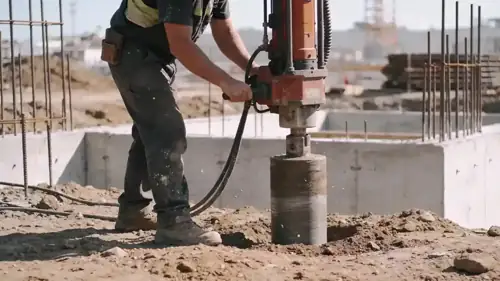
Methodology
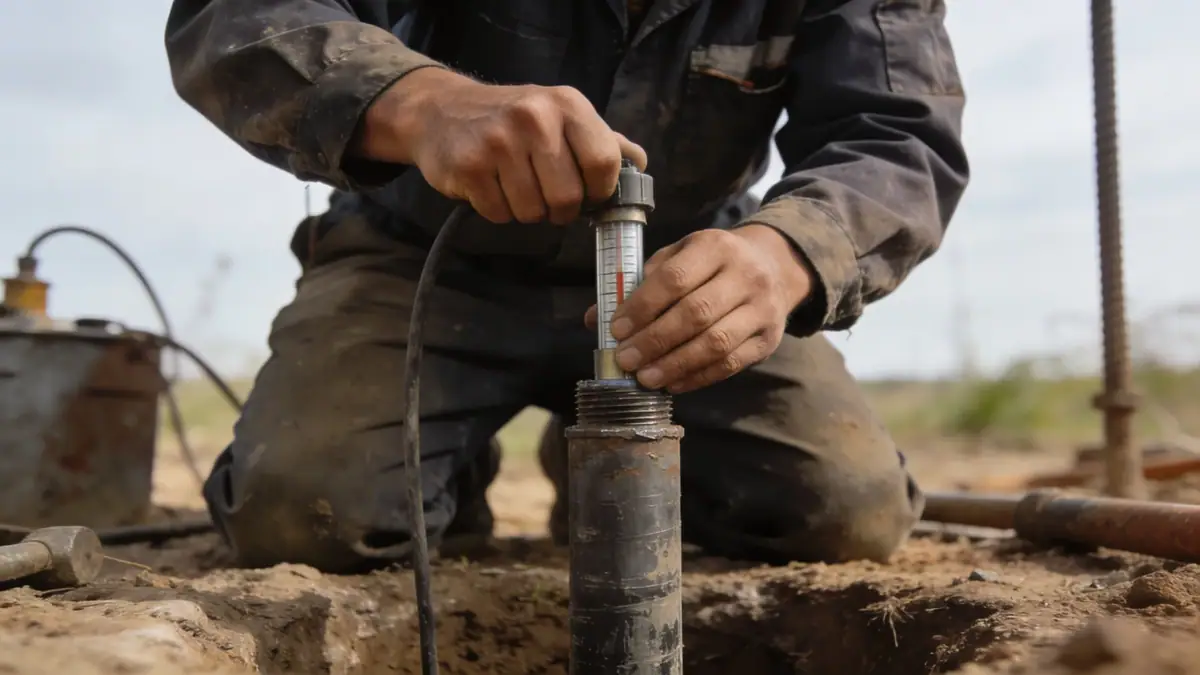
Our methodology in Laval integrates advanced field and laboratory testing. We begin with a detailed desktop study of local geology and historical data. Field programs include spt boring to evaluate soil stratigraphy and strength, as well as cone penetration testing (CPT) for continuous profiling. Soil samples are analyzed in our soil mechanics laboratory for index properties, consolidation, and shear strength. All work adheres to ASTM standards, including ASTM D1586 for SPT and ASTM D2487 for soil classification. This systematic approach delivers reliable parameters for foundation design.
Reference Technical Parameters
| Parameter | Reference Value |
|---|---|
| Predominant soil type | Marine clay (Champlain Sea clay) |
| Maximum seismic acceleration (PGA) | 0.2–0.3 g (NBCC 2020) |
| Typical groundwater level | 1–3 m below ground surface |
| Bedrock depth | 10–30 m (variable) |
| Typical N60 range (SPT) | 2–10 blows/0.3 m in clay; 10–30 in granular layers |
Local Considerations — Laval
Laval's geology is dominated by post-glacial marine clays, which are sensitive and prone to settlement under load. The water table is shallow, often within 1–3 m, requiring dewatering considerations for excavations. Seismic hazard is moderate, with peak ground accelerations up to 0.3 g per NBCC 2020, necessitating liquefaction assessments in sandy lenses. Older neighborhoods near the Rivière des Prairies may have variable fill and organic soils. Typical projects include residential foundations on raft or pile foundations. Our team also provides services from our main office; see our team in Montreal for broader regional support.
Request a Quote
Our team reviews your project and issues an initial report at no cost.
Or write us directly at [email protected]
Services in Laval
Applicable Standards
- National Building Code of Canada (NBCC) 2020
- ASTM D1586 – Standard Test Method for Standard Penetration Test (SPT)
- ASTM D2487 – Standard Practice for Classification of Soils for Engineering Purposes
- CSA A23.3 – Design of Concrete Structures (for foundation design)
- Quebec Construction Code (Chapter I, Building)
Frequently Asked Questions
What soil conditions are typical in Laval?
Laval is underlain by Champlain Sea clay, a sensitive marine clay with low permeability and high compressibility. Sand and gravel layers may be present, but the predominant soil is clay, often with a shallow water table. These conditions require careful geotechnical evaluation for foundation design.
How are seismic hazards addressed in Laval?
Laval is in a moderate seismic zone per NBCC 2020, with peak ground accelerations up to 0.3 g. Geotechnical studies include site classification (Site Class D or E) and liquefaction assessments for loose granular soils. Our team applies the code provisions to ensure structural safety.
Are geotechnical studies mandatory for construction in Laval?
Yes, for most buildings of three storeys or more, or those with significant loads, a geotechnical study is required by the Quebec Construction Code. Even for smaller projects, a study is recommended to mitigate risks associated with clay settlement and seismic effects.