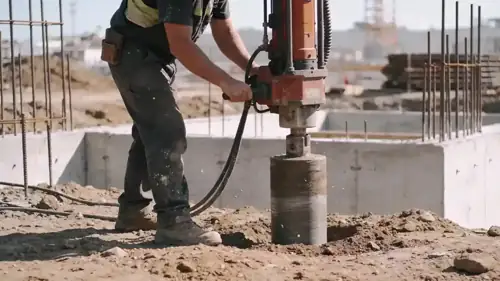
Methodology
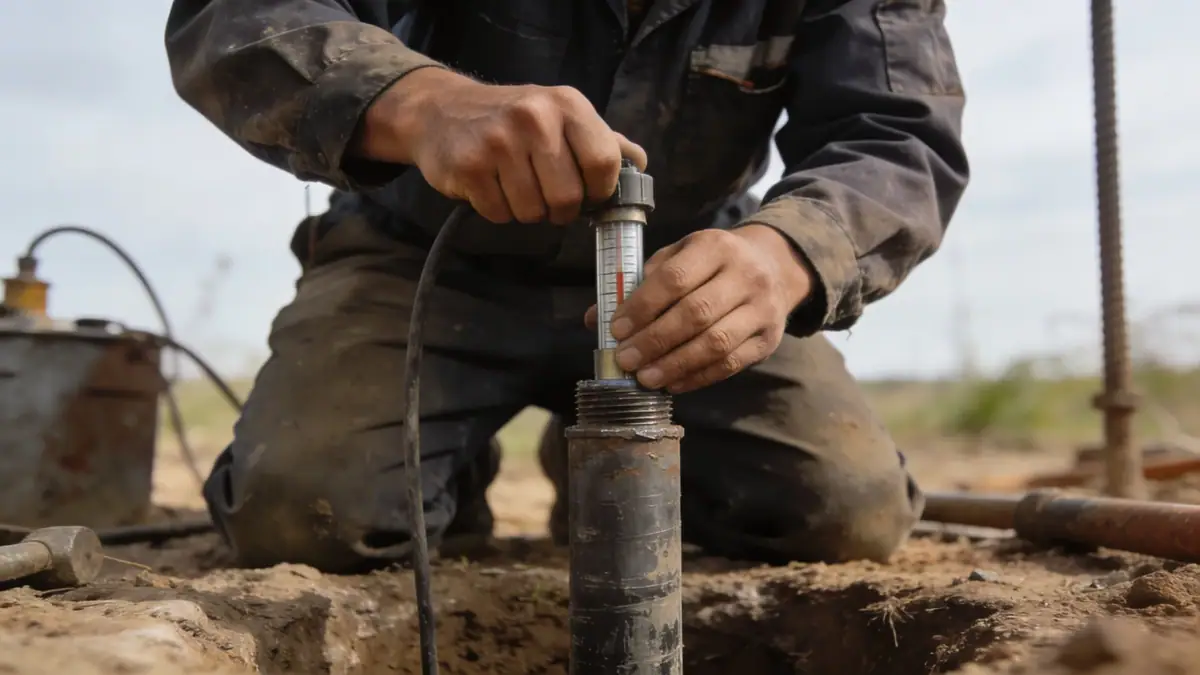
Our methodology for geotechnical engineering in Kelowna follows a systematic approach. We begin with a thorough desk study of existing geological maps and borehole logs, then conduct field investigations including spt boring to characterize soil strata and groundwater conditions. Samples are tested in our soil mechanics laboratory for index properties, strength, and consolidation parameters. Analyses are performed using industry-standard software, considering local seismicity and slope stability. All work adheres to ASTM standards and provincial guidelines, ensuring robust foundation recommendations.
Reference Technical Parameters
| Parameter | Reference Value |
|---|---|
| Predominant soil type | Glacial till, sand, silt, and gravel |
| Maximum seismic acceleration (PGA) | 0.2g to 0.4g (NBCC 2020) |
| Typical groundwater level | 2 to 8 m below ground surface |
| Bedrock depth | 10 to 30 m (variable) |
| Typical N60 range | 10 to 50 blows/0.3 m |
Local Considerations — Kelowna
Kelowna's subsurface is dominated by glacial till and glaciofluvial deposits, often with interbedded sands and silts. The water table is shallow in valley bottoms, requiring dewatering considerations for excavations. Seismic hazard is moderate to high, with peak ground accelerations up to 0.4g per NBCC 2020. Downtown areas contrast with hillside developments where slope stability is critical. Common challenges include variable bedrock depth and expansive soils. Our team integrates local knowledge with advanced testing, and we collaborate closely with geotechnical engineering en Vancouver for complex regional projects.
Request a Quote
Our team reviews your project and issues an initial report at no cost.
Or write us directly at [email protected]
Services in Kelowna
Applicable Standards
- ASTM D1586 (Standard Test Method for Penetration Test and Split-Barrel Sampling of Soils)
- ASTM D2487 (Standard Practice for Classification of Soils for Engineering Purposes)
- National Building Code of Canada (NBCC 2020) – Seismic Provisions
- British Columbia Building Code (BCBC 2018)
- Canadian Foundation Engineering Manual (CFEM)
Frequently Asked Questions
What are typical soil conditions in Kelowna for construction?
Soils in Kelowna are predominantly glacial till, sand, silt, and gravel. Bedrock depth varies from 10 to 30 m, and groundwater is often encountered at 2-8 m depth. These conditions require careful evaluation for foundation design and excavation.
Is a geotechnical study mandatory for building permits in Kelowna?
Yes, the BC Building Code requires a geotechnical report for most buildings, especially those in seismic zones or on variable soil. The report must address bearing capacity, settlement, and seismic site classification.
How does seismic risk affect foundation design in Kelowna?
Kelowna lies in a moderate-to-high seismic zone (PGA up to 0.4g). Foundations must be designed for liquefaction potential, especially in sandy soils with shallow water tables. Site-specific response spectra are often required for tall structures.