Methodology

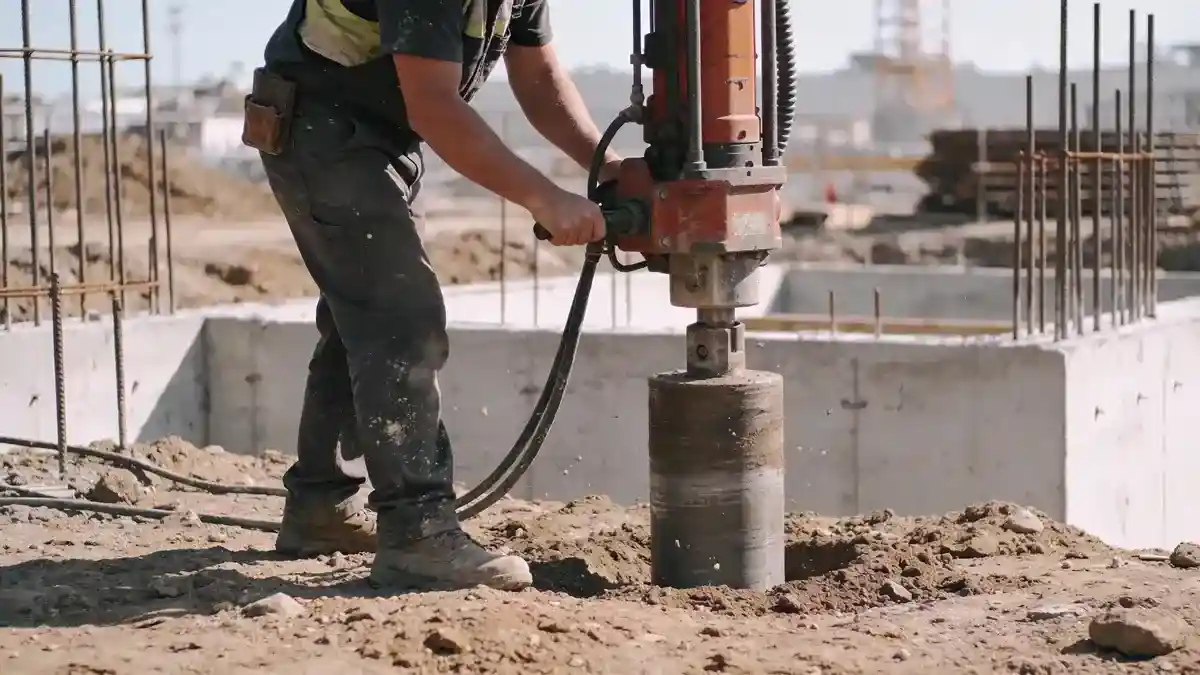
Our methodology for geotechnical engineering in Kamloops begins with a detailed desk study of existing geological maps, borehole logs, and seismic hazard data. We then conduct field investigations, including spt boring to obtain disturbed and undisturbed samples for laboratory testing. The sampling frequency follows ASTM D1586, typically every 1.0 to 1.5 meters. In-situ tests such as cone penetration testing (CPT) and pocket penetrometer measurements are employed to assess soil strength. Laboratory analyses include grain size distribution (ASTM D6913), Atterberg limits (ASTM D4318), and direct shear tests (ASTM D3080). The data are synthesized into a geotechnical model that accounts for variable groundwater depths and seismic site classification per the 2020 National Building Code of Canada.
Reference Technical Parameters
| Parameter | Reference Value |
|---|---|
| Predominant soil type | Glacial till, fluvial sands and gravels, colluvium |
| Maximum seismic acceleration (PGA) | 0.15 to 0.20 g (NBCC 2020, Site Class C/D) |
| Typical groundwater level | 2 to 6 m below grade, locally shallower near Beaulieu River |
| Bedrock depth | 10 to 30 m; shallow on hillsides (5 m) |
| Typical N60 range (SPT) | 10–30 blows/0.3 m in till; 20–50 in dense sands |
Local Considerations — Kamloops
Kamloops lies within the Interior Plateau, characterized by glacial till, outwash sands, and gravels. The Beaulieu River valley introduces alluvial deposits and variable groundwater. Seismic hazard is moderate, with peak ground accelerations of 0.15–0.20 g. Downtown areas are underlain by dense till, while the South Hills feature colluvial soils over bedrock. Common challenges include slope stability on terraced hillsides and liquefaction potential in loose sands near the river. For regional context, our team collaborates with geotechnical engineering en Vancouver to apply consistent standards across British Columbia.
Request a Quote
Our team reviews your project and issues an initial report at no cost.
Or write us directly at [email protected]
Services in Kamloops
Applicable Standards
- ASTM D1586
- National Building Code of Canada 2020
- BC Building Code 2018
- Canadian Foundation Engineering Manual (CFEM)
- ASTM D2487 (Unified Soil Classification)
Frequently Asked Questions
What soil types are most common in Kamloops?
Kamloops predominantly features glacial till, fluvial sands and gravels, and colluvial soils. The till is dense and provides good bearing capacity, while river deposits may require deeper foundations. Hillside areas have shallow bedrock or colluvium.
Do I need a geotechnical study for a residential project in Kamloops?
Yes, the BC Building Code requires a geotechnical report for sites with potential slope instability, variable soil conditions, or seismic hazards. Many municipalities mandate studies for new constructions or additions, especially near the river or on hillsides.
What seismic design considerations apply in Kamloops?
Kamloops is in seismic zone 2 with a PGA of 0.15–0.20 g per NBCC 2020. Site-specific response spectra are required for important structures. Liquefaction assessment is necessary for loose sands near the Beaulieu River.