Methodology
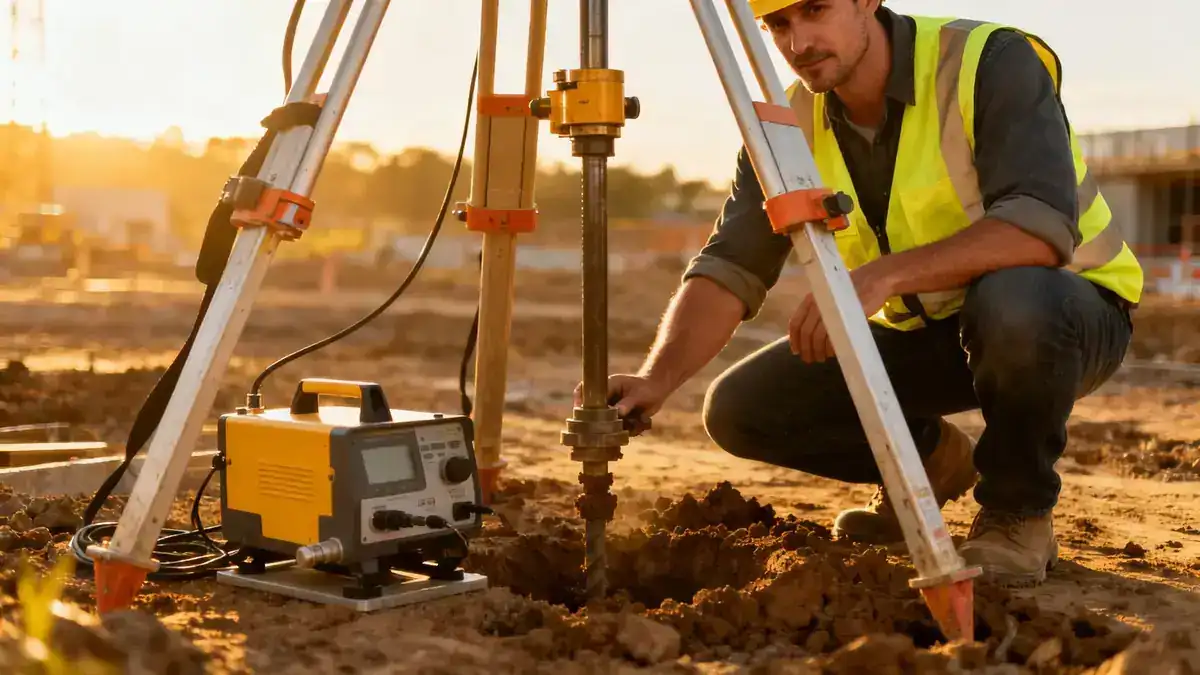
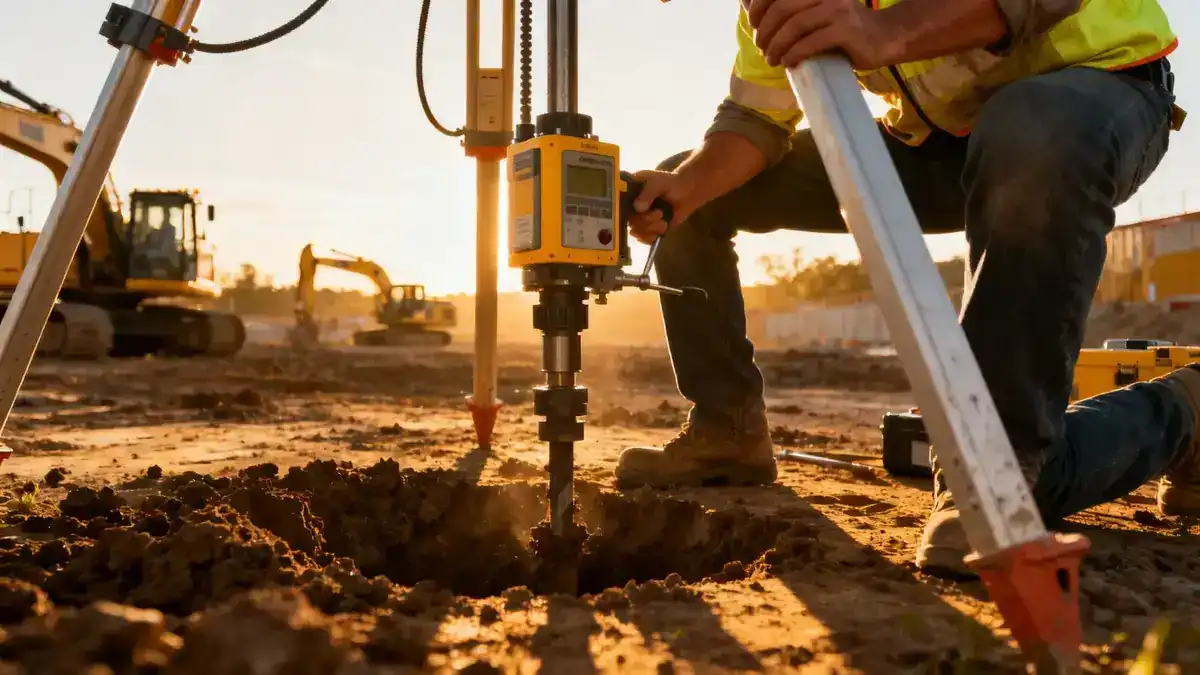
Our methodology in Hamilton begins with a thorough desk study of existing geological maps and borehole records. Field investigations include spt boring to obtain soil samples and measure N-values, supplemented by laboratory testing in our soil mechanics laboratory. We assess groundwater levels, bedrock depth, and soil stiffness to develop geotechnical models. Analyses follow ASTM D1586 for SPT and ASTM D2487 for soil classification. This integrated approach supports foundation recommendations, slope stability assessments, and seismic design parameters.
Reference Technical Parameters
| Parameter | Reference Value |
|---|---|
| Predominant soil type | Glacial till, silty clay, sand |
| Maximum seismic acceleration (PGA) | 0.2–0.3g (OBC 2020) |
| Typical groundwater level | 2–5 m below surface |
| Bedrock depth | 10–30 m (shale) |
| Typical N60 range (SPT) | 10–50 blows/ft |
Local Considerations — Hamilton
Hamilton's geology is dominated by Pleistocene glacial deposits overlying Queenston Shale. The Niagara Escarpment creates significant topographic relief, requiring careful slope stability analysis for developments on or near the escarpment. Areas like the lower city often have shallow groundwater, while the upper city (Hamilton Mountain) features deeper till soils. Seismicity, though moderate, is addressed per OBC 2020 with site-specific response spectra. Our local experience includes projects in both brownfield redevelopments and greenfield subdivisions. For broader context, our team coordinates with geotechnical engineering en Toronto to leverage regional expertise.
Request a Quote
Our team reviews your project and issues an initial report at no cost.
Or write us directly at [email protected]
Services in Hamilton
Applicable Standards
- ASTM D1586
- ASCE 7
- Ontario Building Code (OBC) 2020
- ASTM D2487
- CSA A23.3
Frequently Asked Questions
What are the typical soil conditions in Hamilton?
Hamilton's soils are predominantly glacial till, silty clay, and sand over Queenston Shale bedrock. The Niagara Escarpment area features shallow bedrock, while lower elevations have deeper soil profiles with potential groundwater at 2–5 m depth.
Does Hamilton require seismic design for foundations?
Yes, the Ontario Building Code mandates seismic design for most structures. Hamilton's peak ground acceleration ranges from 0.2g to 0.3g, requiring site-specific response spectra for buildings in higher importance categories.
Are geotechnical studies mandatory for construction in Hamilton?
While not always legally required for all projects, most municipalities in Ontario, including Hamilton, expect a geotechnical report for building permits, especially for larger or sensitive developments. Lenders and insurers also often require such studies.