Methodology

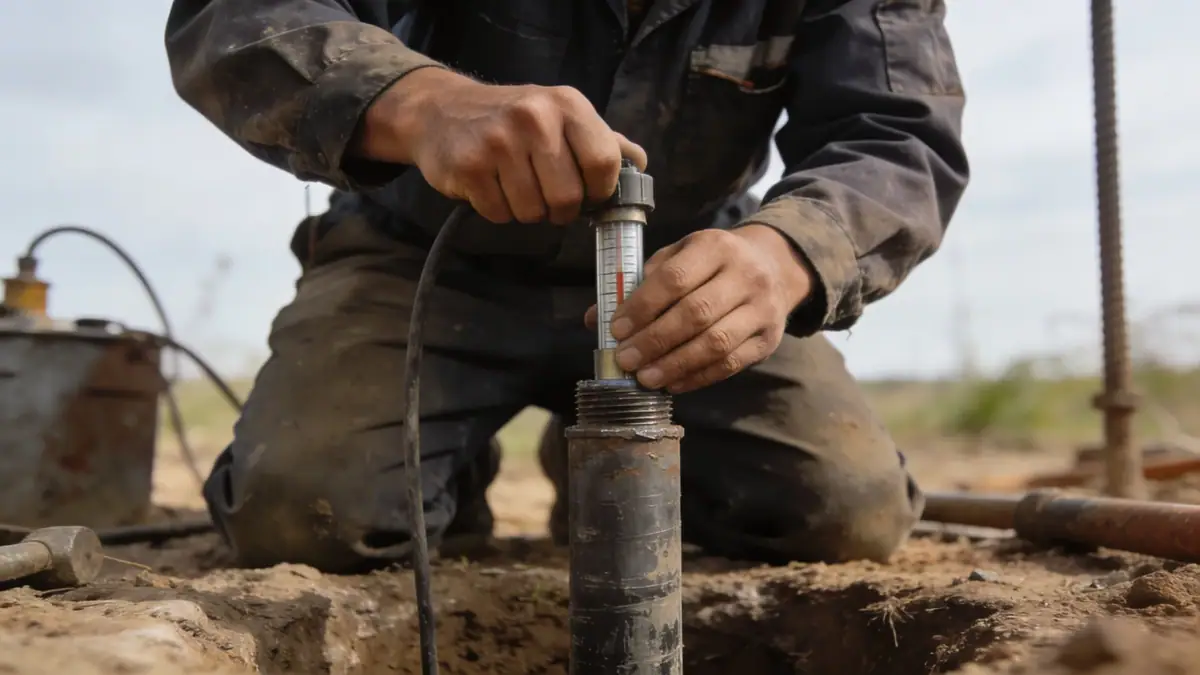
Our methodology for geotechnical engineering in Clarington begins with a detailed desk study of existing geological maps and records, followed by a site-specific field investigation. We typically perform spt boring to obtain disturbed and undisturbed soil samples at regular intervals, adhering to ASTM D1586 for standard penetration tests. In the laboratory, we classify soils according to the Unified Soil Classification System (USCS) and determine index properties, strength parameters, and consolidation characteristics. Our approach integrates in-situ testing such as cone penetration tests (CPT) when appropriate, ensuring a robust dataset for analysis. All procedures follow Canadian Foundation Engineering Manual guidelines.
Reference Technical Parameters
| Parameter | Reference Value |
|---|---|
| Predominant soil type | Glacial till, silty clay, sand and gravel |
| Maximum seismic acceleration (PGA) | 0.15 g to 0.20 g (per NBCC 2020) |
| Typical groundwater level | 1.5 m to 4.0 m below grade |
| Bedrock depth | 5 m to 30 m (shale and limestone) |
| Typical N60 range | 10 to 40 blows per 300 mm |
Local Considerations — Clarington
Clarington's geology is dominated by glacial till and glaciolacustrine deposits, with variable layers of silty clay, sand, and gravel. Bedrock is generally Paleozoic limestone and shale, found at depths of 5 to 30 meters. Seismic hazard is moderate due to proximity to the Western Quebec Seismic Zone; peak ground acceleration ranges from 0.15g to 0.20g per NBCC 2020. Groundwater levels are shallow in low-lying areas near Lake Ontario, affecting excavations and foundation design. Neighborhoods such as Bowmanville and Newcastle have distinct soil profiles, requiring tailored approaches. Common issues include expansive clays, soft compressible soils, and potential for liquefaction in granular deposits. Our soil mechanics laboratory conducts detailed index and strength testing to address these conditions. For broader regional context, we coordinate with geotechnical engineering en Toronto for consistency across projects.
Request a Quote
Our team reviews your project and issues an initial report at no cost.
Or write us directly at [email protected]
Services in Clarington
Applicable Standards
- ASTM D1586
- National Building Code of Canada (NBCC 2020)
- Canadian Foundation Engineering Manual (CFEM)
- Ontario Building Code (OBC)
Frequently Asked Questions
What soil types are commonly found in Clarington?
Clarington features glacial till, silty clay, and sand and gravel deposits. Marine and glaciolacustrine clays are also present in lower areas. These soils require careful evaluation for bearing capacity, settlement, and groundwater control.
Is a geotechnical study mandatory for construction in Clarington?
Yes, the Ontario Building Code (OBC) requires a geotechnical investigation for most buildings, especially those with foundations, retaining walls, or significant earthworks. Local municipalities may have additional requirements for subdivision developments.
How does seismic risk affect geotechnical design in Clarington?
Clarington falls within NBCC 2020 Seismic Hazard Zone with PGA of 0.15–0.20 g. This influences foundation design, liquefaction assessment for sandy soils, and slope stability analyses. Our studies incorporate site-specific seismic response.