Methodology
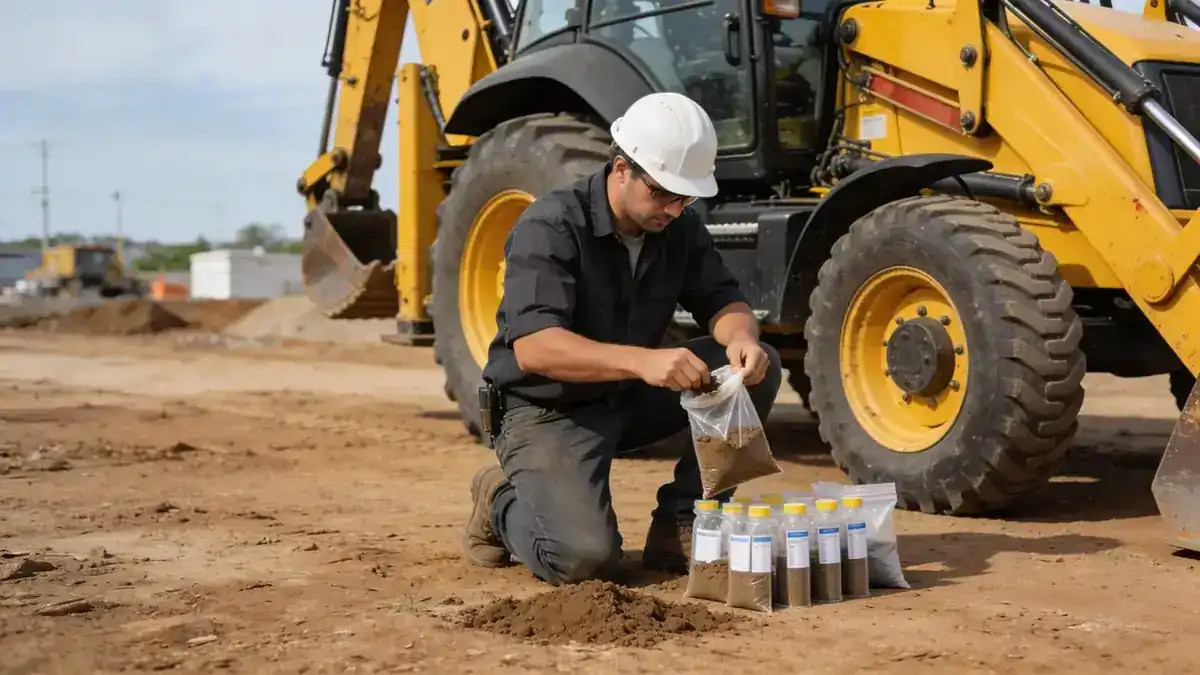
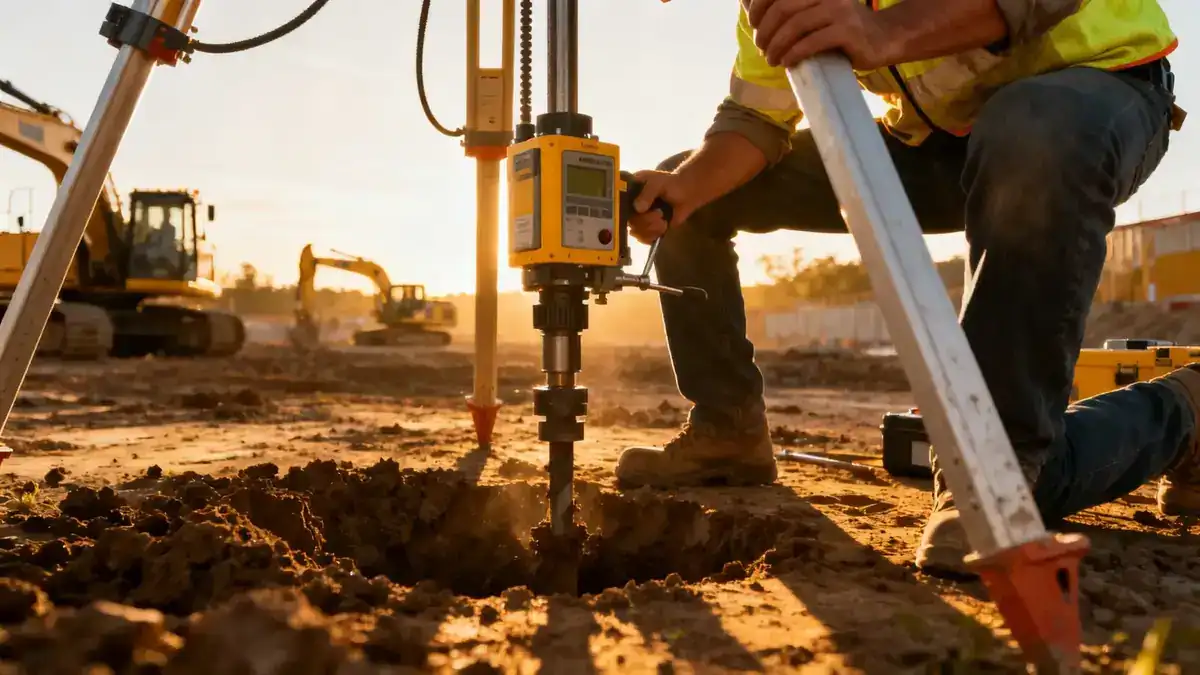
Our methodology in Chilliwack integrates advanced field investigation techniques with laboratory analysis to characterize subsurface conditions precisely. We typically commence with a review of existing geological maps and borehole logs, followed by a site-specific exploration program. This includes spt boring to obtain disturbed and undisturbed samples, along with in-situ testing such as cone penetration tests (CPT) and geophysical surveys. Soil samples are analyzed in our soil mechanics laboratory for classification, strength, and consolidation properties. All field and laboratory work adheres to ASTM standards, including ASTM D1586 for SPT. The resulting data informs our engineering evaluations, including foundation recommendations, slope stability assessments, and seismic hazard analyses tailored to the local geology.
Reference Technical Parameters
| Parameter | Reference Value |
|---|---|
| Predominant soil type | Glacial till, alluvial silts, and sand/gravel deposits |
| Maximum seismic acceleration (PGA) | 0.30g to 0.50g (per NBCC 2020 seismic hazard maps) |
| Typical groundwater level | 1.5–3.0 m below ground surface in low-lying areas |
| Bedrock depth | Variable; typically >30 m in valley fill, shallower in uplands |
| Typical N60 range | 10–30 blows/0.3 m in granular soils, 4–15 in cohesive soils |
Local Considerations — Chilliwack
Chilliwack's geology is dominated by Quaternary glacial and fluvial deposits from the Fraser River and its tributaries. The city lies within a seismically active region, with potential for strong ground motions from Cascadia subduction zone earthquakes. Liquefaction susceptibility is a concern in low-lying areas with saturated sandy soils. Our team has extensive experience evaluating these hazards for projects across Chilliwack, from the downtown corridor to the agricultural flats. We also frequently address slope stability issues in the mountainous periphery. For broader regional context, we coordinate with our geotechnical engineering en Vancouver office to leverage insights from the Lower Mainland's complex geotechnical landscape.
Request a Quote
Our team reviews your project and issues an initial report at no cost.
Or write us directly at [email protected]
Services in Chilliwack
Applicable Standards
- National Building Code of Canada (NBCC) 2020
- ASTM D1586 – Standard Test Method for Standard Penetration Test (SPT)
- ASTM D2487 – Standard Practice for Classification of Soils for Engineering Purposes (USCS)
- ASCE 7 – Minimum Design Loads and Associated Criteria for Buildings and Other Structures
- British Columbia Building Code (BCBC) 2018
Frequently Asked Questions
What are the typical soil types found in Chilliwack?
Chilliwack's soils are primarily glacial till, alluvial silts, and sand/gravel deposits from the Fraser River floodplain. In upland areas, glacial till and bedrock are more prevalent. The variability requires site-specific investigations to characterize conditions accurately.
Is seismic design mandatory for projects in Chilliwack?
Yes, Chilliwack is in a high-seismic zone per the NBCC 2020. Structures must be designed to withstand peak ground accelerations of 0.30g to 0.50g. Geotechnical reports must include site-specific seismic hazard assessments, including liquefaction potential and soil amplification factors.
When is a geotechnical study required for a building permit in Chilliwack?
The BC Building Code requires a geotechnical study for buildings on sites with suspected poor soil conditions, slopes, or in seismic zones. Most commercial and multi-family residential projects in Chilliwack require such studies. Local authorities may also mandate them for single-family homes on challenging lots.