Methodology

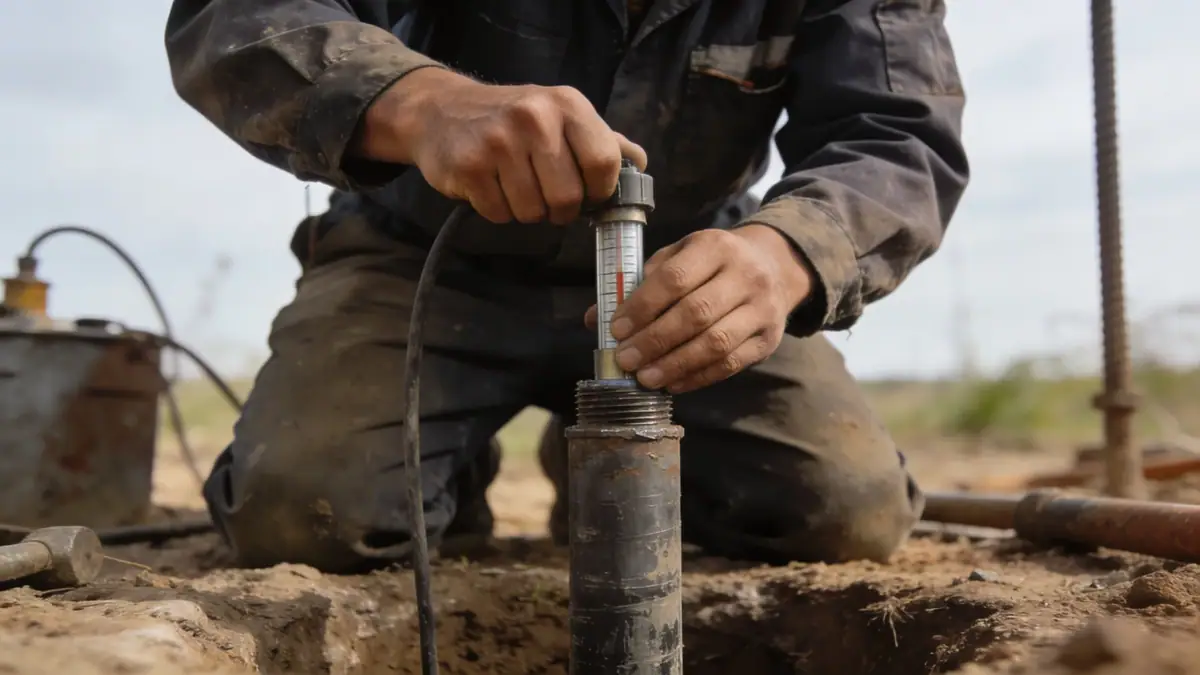
Our approach to geotechnical engineering in Chatham Kent integrates field and laboratory testing tailored to local geology. We perform spt boring to obtain disturbed and undisturbed samples, recording N-values per ASTM D1586 at 1.5 m intervals. Samples are analyzed in our soil mechanics laboratory for grain size distribution, Atterberg limits, and unconfined compressive strength. This data informs bearing capacity, settlement, and slope stability analyses, supporting foundation design for residential and commercial projects across the city.
Reference Technical Parameters
| Parameter | Reference Value |
|---|---|
| Predominant soil type | Glacial till and lacustrine clay/silt |
| Maximum seismic acceleration (PGA) | 0.15 g (NBCC 2020) |
| Typical groundwater level | 1.5–3.0 m below surface |
| Bedrock depth | 30–60 m (limestone/dolomite) |
| Typical N60 range | 10–30 in till, 4–15 in clay |
Local Considerations — Chatham Kent
Chatham Kent's geological framework is dominated by glacial till overlying Paleozoic bedrock, with localized lacustrine clay plains. The water table is shallow (1.5–3.0 m), requiring dewatering considerations for excavations. Seismic hazard is moderate (PGA 0.15 g) per NBCC 2020, necessitating liquefaction assessment in loose sandy deposits. Older neighbourhoods near the Thames River may have soft alluvial soils, while newer subdivisions on till offer better bearing capacity. Our team integrates these factors into every project, and our soil mechanics laboratory provides precise index and strength parameters. For broader context, our geotechnical engineering en Toronto hub outlines regional methods applicable here.
Request a Quote
Our team reviews your project and issues an initial report at no cost.
Or write us directly at [email protected]
Services in Chatham Kent
Applicable Standards
- ASTM D1586
- NBCC 2020
- Ontario Building Code 2012
- CSA A23.3
- ASTM D4318
Frequently Asked Questions
What are the typical soil conditions in Chatham Kent?
Soils are predominantly glacial till (sandy silt with gravel) and lacustrine clay/silt. Till provides moderate bearing capacity (N60 10–30), while clay layers may be soft (N60 4–15). Groundwater is typically shallow, at 1.5–3.0 m depth.
Is a geotechnical study mandatory for construction in Chatham Kent?
The Ontario Building Code requires a geotechnical study for buildings with foundations, especially where soil conditions are variable. Our firm provides the necessary subsurface characterization to meet code requirements and ensure structural safety.
Does Chatham Kent have significant seismic risk?
Seismic hazard is moderate, with a peak ground acceleration of 0.15 g per NBCC 2020. This requires consideration of liquefaction potential and dynamic soil properties for certain structures, particularly in sandy or saturated soils.