Methodology
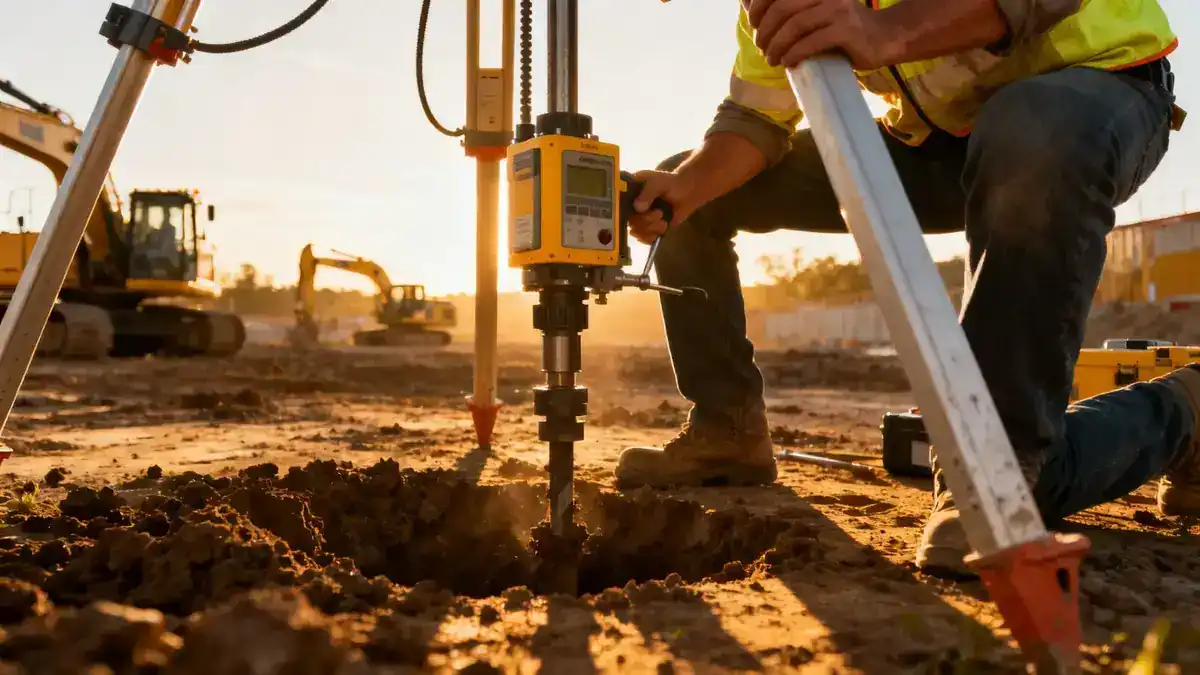
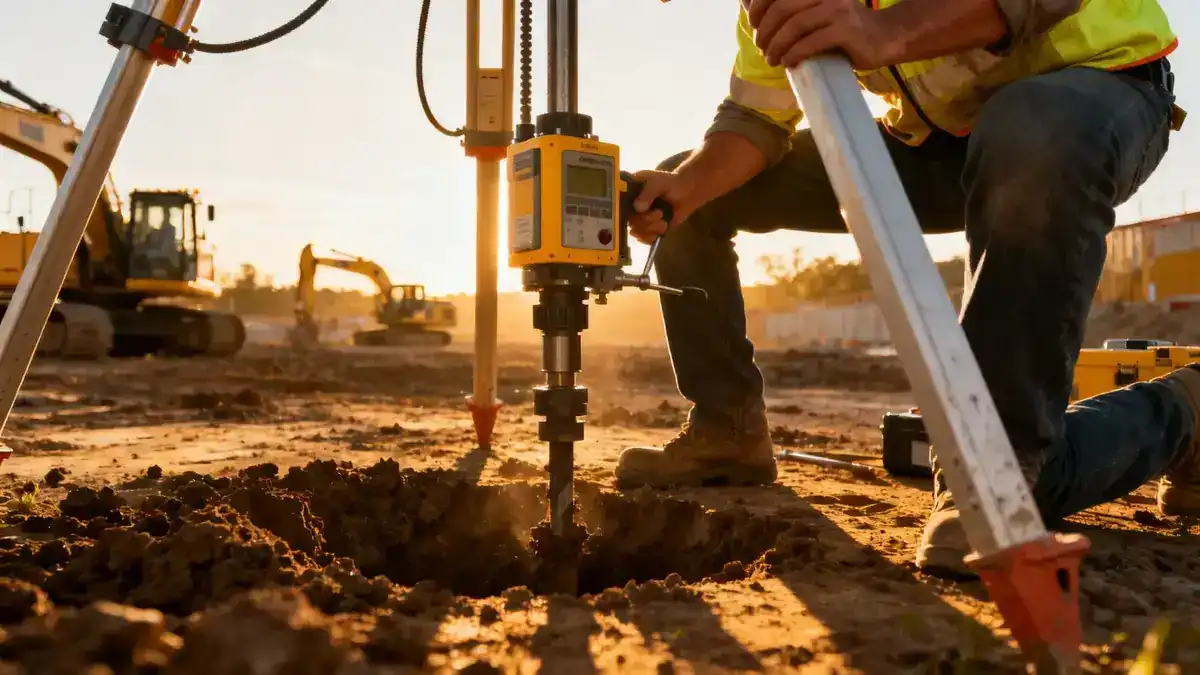
Our team employs a systematic approach to geotechnical engineering in Burlington, beginning with a comprehensive desk study of regional geology and historical site data. Field investigations include standard penetration testing per ASTM D1586, continuous sampling, and groundwater monitoring to define subsurface stratigraphy. Laboratory testing on recovered samples—such as grain size analysis, Atterberg limits, and triaxial compression—quantifies soil strength and consolidation parameters. We integrate these data into numerical models for foundation settlement and slope stability analysis, adhering to Ontario Building Code and Canadian Geotechnical Society guidelines. For detailed methodologies, visit our spt boring page.
Reference Technical Parameters
| Parameter | Reference Value |
|---|---|
| Predominant soil type | Glacial till (silty sand with gravel) and lacustrine clay |
| Maximum seismic acceleration (PGA) | 0.15–0.25 g (Ontario seismic hazard) |
| Typical groundwater depth | 2–5 m below grade (seasonally variable) |
| Bedrock depth | 5–30 m (shallow near Escarpment, deep near lake) |
| Typical N60 range | 10–40 blows/0.3 m (varies with till density) |
Local Considerations — Burlington
Burlington’s geology is shaped by glacial processes: surface soils are predominantly silty sand tills and lacustrine clays overlying Ordovician shale and limestone bedrock. The Niagara Escarpment, running through the city, creates abrupt changes in bedrock depth and groundwater regimes. Seismic hazard is moderate, with PGA values up to 0.25 g per OBC 2012. In older neighborhoods near Lake Ontario, soft clay deposits may require deep foundations or ground improvement. Our team integrates these local conditions into every geotechnical engineering in Burlington project. For advanced soil characterization, see our soil mechanics laboratory page. Our main operational hub is geotechnical engineering in Toronto, which supports our Burlington projects.
Request a Quote
Our team reviews your project and issues an initial report at no cost.
Or write us directly at [email protected]
Services in Burlington
Applicable Standards
- Ontario Building Code (OBC) 2012
- Canadian Foundation Engineering Manual (CFEM) 4th Edition
- ASTM D1586 (Standard Penetration Test)
- ASTM D2487 (Unified Soil Classification System)
- CSA S304.1 (Design of Masonry Structures)
Frequently Asked Questions
What soil types are commonly found in Burlington?
Burlington’s subsurface consists mainly of glacial tills (silty sand with gravel) and lacustrine clays. Along the Lake Ontario shoreline, soft to firm clay deposits are common, while near the Niagara Escarpment, bedrock is shallow and tills are dense.
What seismic regulations apply to Burlington?
Burlington follows the Ontario Building Code, which adopts seismic hazard values from the Geological Survey of Canada. The peak ground acceleration (PGA) ranges from 0.15 to 0.25 g, requiring site-specific seismic response analysis for most structures.
Are geotechnical studies mandatory for construction in Burlington?
Yes, the Ontario Building Code mandates geotechnical investigations for most new buildings, especially those with deep foundations, large loads, or in areas of variable soil conditions. Our team ensures compliance with all local and provincial requirements.