Methodology
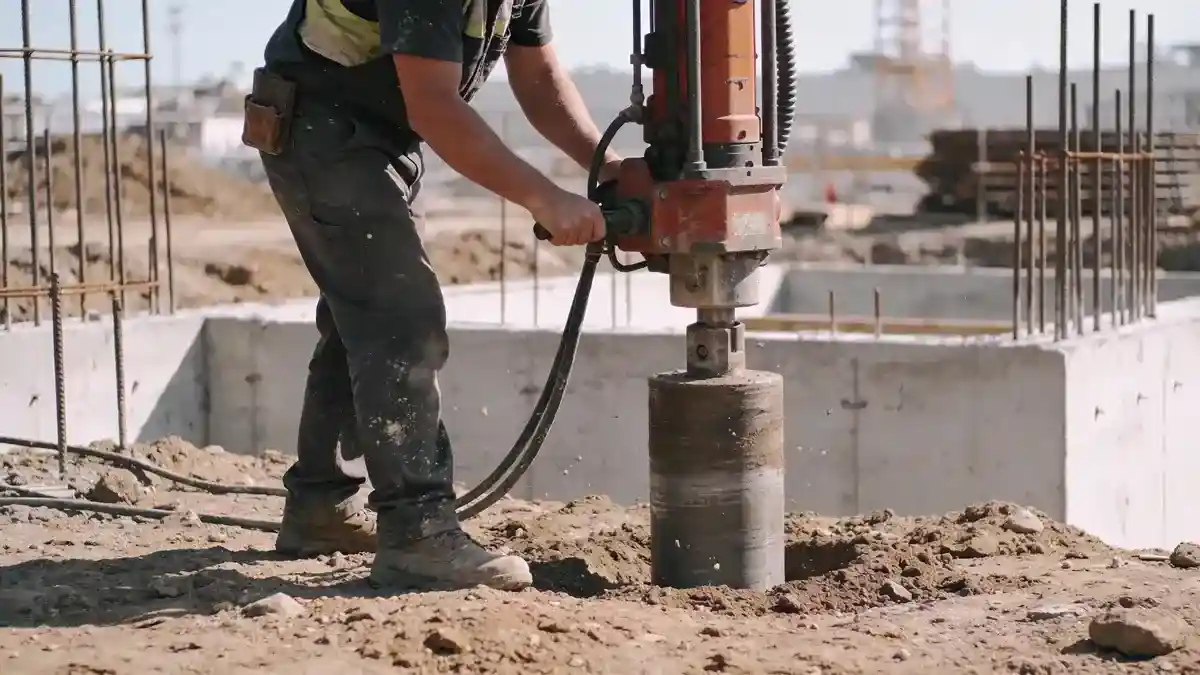
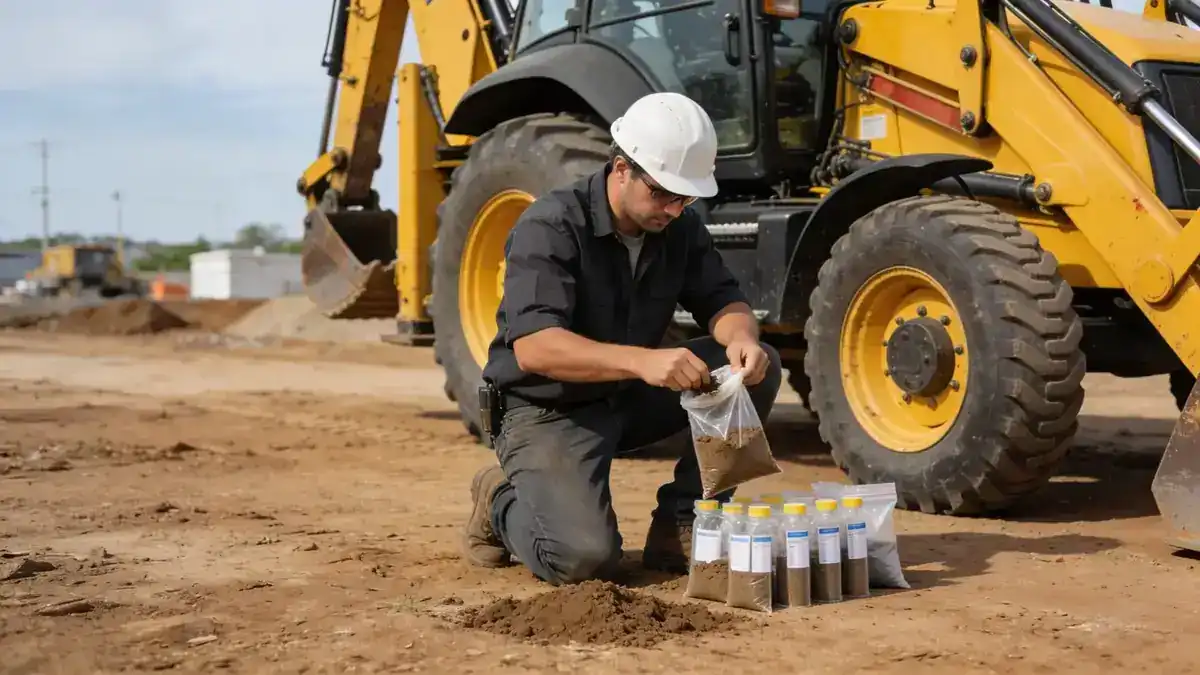
Our approach to geotechnical engineering in Brantford begins with a detailed desk study of regional geology and existing borehole records. We then conduct site-specific field investigations, including spt boring to obtain soil samples and measure N-values, and install piezometers to monitor groundwater levels. Laboratory testing classifies soils according to the Unified Soil Classification System and determines strength parameters through direct shear and triaxial tests. We analyze data using industry-standard software to model bearing capacity, settlement, and slope stability, ensuring compliance with local building codes. This systematic methodology provides clients with actionable recommendations for foundation design and earthworks.
Reference Technical Parameters
| Parameter | Reference Value |
|---|---|
| Predominant soil type | Glacial till (silty sand with gravel) |
| Maximum seismic acceleration (PGA) | 0.15 g (based on NBCC 2020) |
| Typical groundwater level | 3–6 m below ground surface |
| Bedrock depth | 15–30 m (Devonian limestone) |
| Typical N60 range | 10–35 blows/0.3 m |
Local Considerations — Brantford
Brantford’s geology is dominated by glacial till overlying Devonian limestone bedrock, with localized deposits of lacustrine clays and outwash sands near the Grand River. Seismic hazard is moderate, with a peak ground acceleration of 0.15 g per NBCC 2020. Groundwater levels fluctuate seasonally, typically 3–6 m below grade. In older industrial areas, fill materials may contain contaminants requiring environmental assessment. For projects requiring advanced analysis, our slope stability services address the stability of riverbank developments. As the regional hub, our geotechnical engineering en Toronto office coordinates larger multidisciplinary projects in Brantford.
Request a Quote
Our team reviews your project and issues an initial report at no cost.
Or write us directly at [email protected]
Services in Brantford
Applicable Standards
- ASTM D1586 (Standard Test Method for SPT)
- NBCC 2020 (National Building Code of Canada)
- Ontario Building Code (OBC 2012)
- CSA A23.3 (Concrete Design)
Frequently Asked Questions
What soil types are commonly encountered in Brantford?
Brantford’s subsurface typically consists of glacial till (silty sand and gravel) with occasional layers of lacustrine clay and sand. Bedrock is Devonian limestone at depths of 15–30 m. Understanding these variations is critical for foundation design.
What seismic provisions apply to Brantford?
Brantford falls under NBCC 2020 seismic hazard with a peak ground acceleration (PGA) of 0.15 g. Structures must be designed for this level, and site-specific soil response analysis may be required for large or critical projects.
Are geotechnical studies mandatory for construction in Brantford?
Yes, the Ontario Building Code requires a geotechnical investigation for most buildings, especially those with shallow foundations, basements, or significant loads. The study must assess soil bearing capacity, settlement, groundwater, and seismic conditions.