Methodology
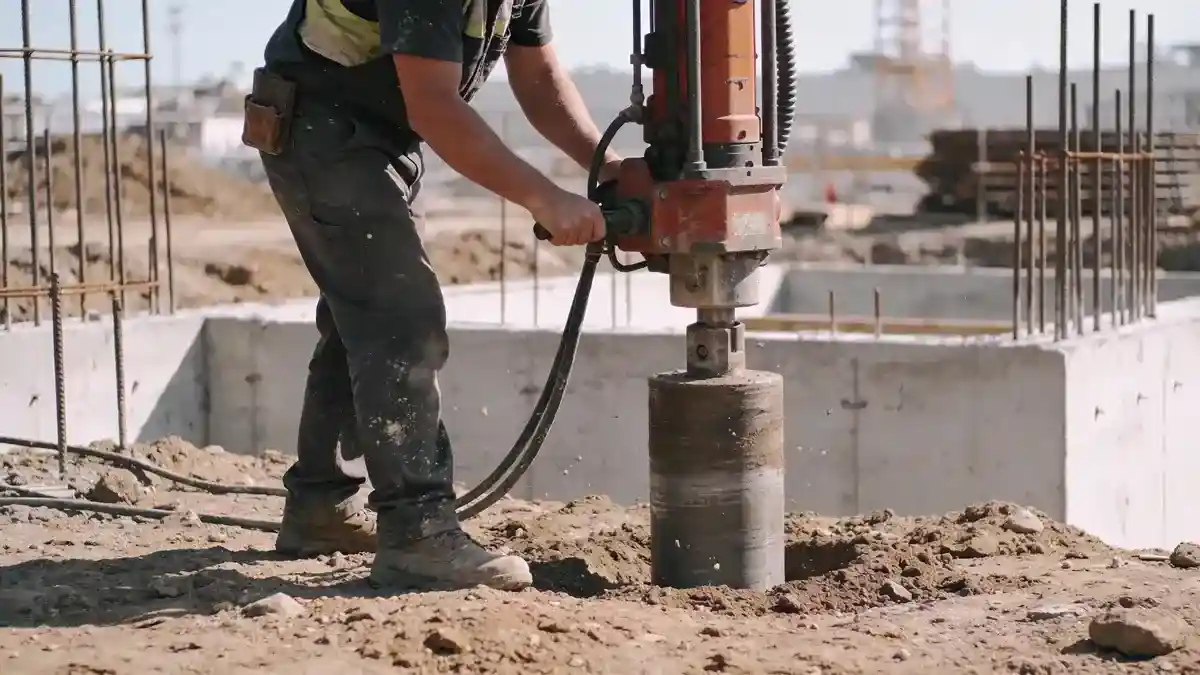
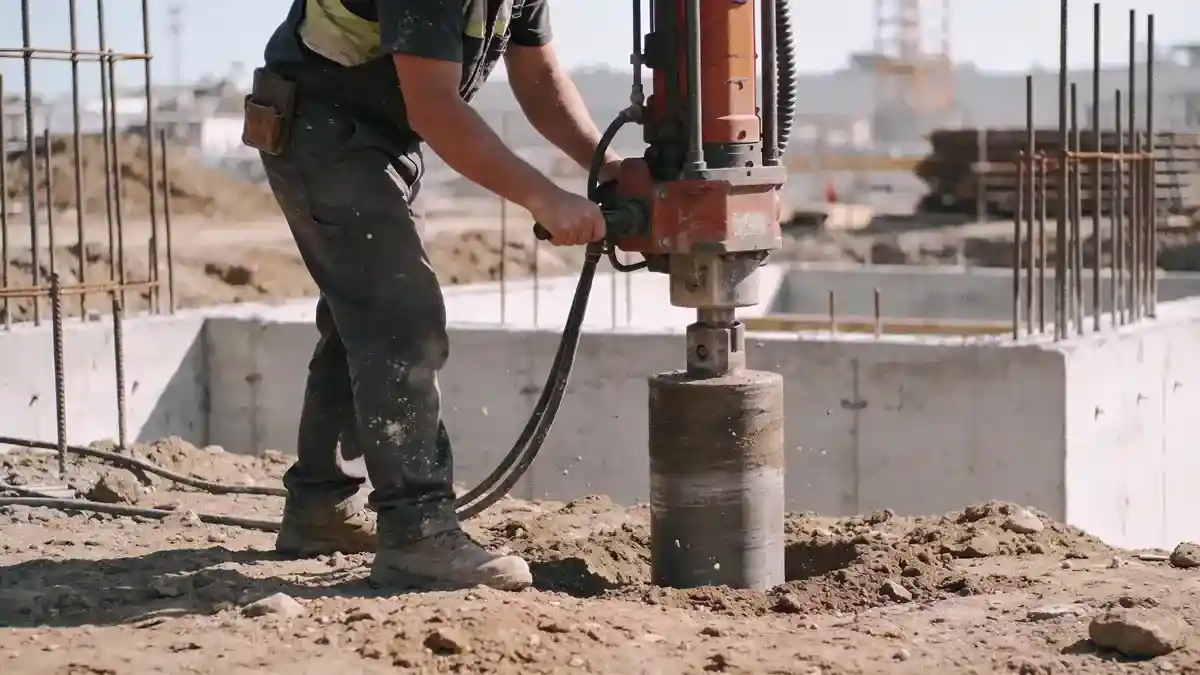
Our methodology for geotechnical engineering in Brampton begins with a desktop study of surficial geology and historical borehole records. We then perform spt boring at strategic locations to obtain disturbed and undisturbed samples, following ASTM D1586. Field work is complemented by laboratory testing of soil index properties, strength, and consolidation parameters. All data are synthesized in a formal report that addresses bearing capacity, settlement, and seismic site classification per the Ontario Building Code.
Reference Technical Parameters
| Parameter | Reference Value |
|---|---|
| Predominant soil type | Glacial till (silty sand to clayey silt) with localized organic deposits |
| Maximum seismic acceleration (PGA) | 0.15–0.20 g (based on NBCC 2020, Site Class C/D) |
| Typical groundwater level | 1.5–4.0 m below ground surface (seasonally variable) |
| Bedrock depth | 10–30 m (Georgian Bay Formation shale and limestone) |
| Typical N60 range | 10–30 blows/0.3 m (till); 4–10 blows/0.3 m (clay/silt) |
Local Considerations — Brampton
Brampton's subsurface is dominated by Pleistocene glacial deposits, including the Halton Till and fine-grained glaciolacustrine clays. These materials exhibit variable compaction and moisture content, requiring careful assessment for shallow foundations. Groundwater levels fluctuate with seasonal recharge, often near the surface in low-lying areas. Seismic hazard is moderate, with peak ground accelerations up to 0.20 g. Local by-laws mandate geotechnical reports for buildings over three storeys. Our team coordinates with municipal authorities to ensure compliance. For complex regional insights, we complement our work with geotechnical engineering en Toronto, given the shared geological framework.
Request a Quote
Our team reviews your project and issues an initial report at no cost.
Or write us directly at [email protected]
Services in Brampton
Applicable Standards
- ASTM D1586 (Standard Test Method for Penetration Test and Split-Barrel Sampling of Soils)
- National Building Code of Canada (NBCC) 2020 – seismic provisions
- Ontario Building Code (OBC) 2012 – Part 4: Structural Design
- Canadian Geotechnical Society (CGS) Canadian Foundation Engineering Manual
Frequently Asked Questions
What are the typical soil conditions in Brampton?
Brampton is underlain by glacial till (silty sand to clayey silt) and glaciolacustrine clays, with localized peat and organic deposits. Depth to bedrock ranges from 10 to 30 m. Groundwater is typically shallow, between 1.5 and 4.0 m below surface.
Is a geotechnical study required for a new home in Brampton?
Yes, for buildings over three storeys or with shallow foundations in variable soils. Even for smaller projects, a geotechnical investigation is strongly recommended to assess bearing capacity and frost susceptibility. The Ontario Building Code mandates site-specific soil data.
How does seismic hazard affect foundation design in Brampton?
Brampton falls within NBCC 2020 seismic hazard zone with PGA of 0.15–0.20 g for Site Class C/D. Soils may amplify ground motions, requiring liquefaction assessment and appropriate foundation detailing. Our team evaluates site-specific seismic site class per NBCC procedures.