Methodology
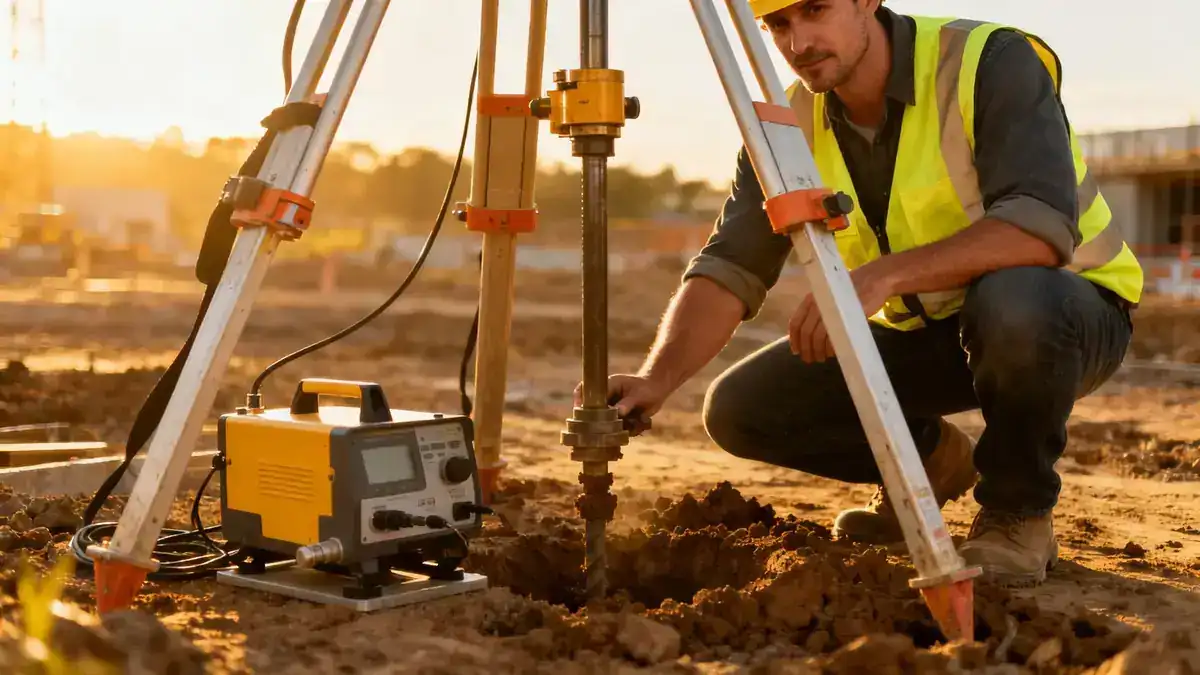
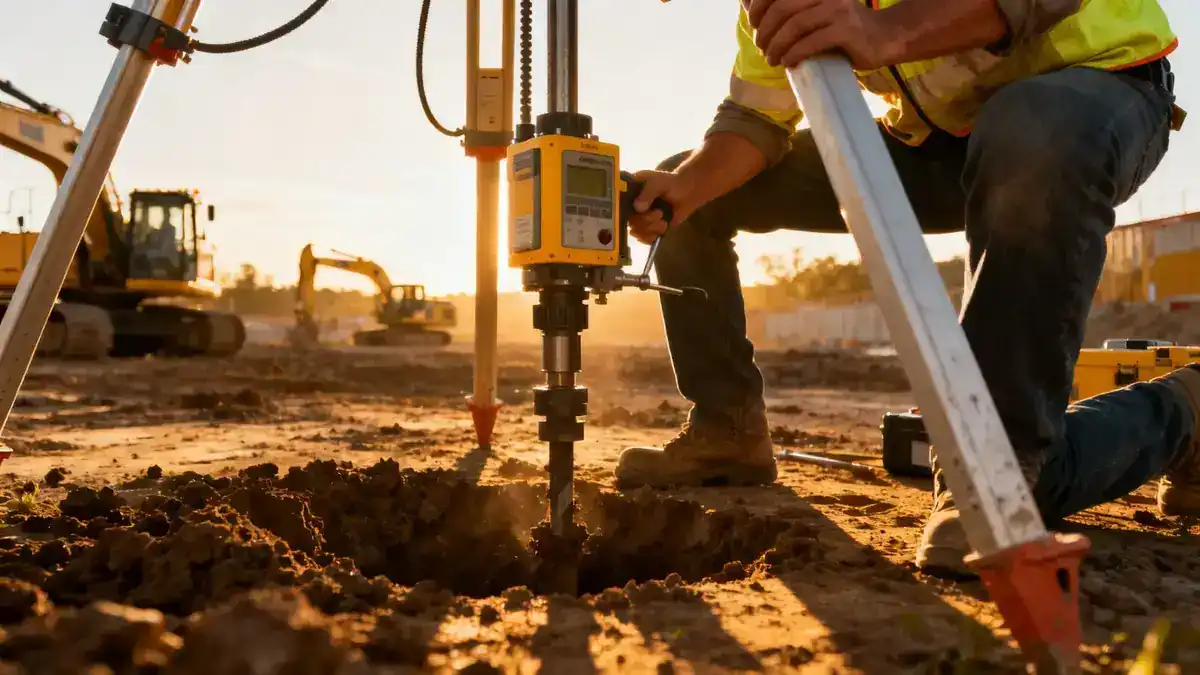
Our methodology for geotechnical engineering in Belleville Ontario begins with a thorough desk study of existing geological maps and borehole records from the Ontario Geological Survey. Field investigations typically include a combination of spt boring and test pit excavations to characterize subsurface stratigraphy. Standard Penetration Tests (SPT) are conducted in accordance with ASTM D1586, with sampling intervals of 1.0 to 1.5 meters to capture variations in till density and sand lenses. Soil samples are transported to our laboratory for index properties, strength testing, and consolidation analysis. The collected data is synthesized into a geotechnical report that outlines bearing capacities, settlement estimates, and construction recommendations tailored to local conditions.
Reference Technical Parameters
| Parameter | Reference Value |
|---|---|
| Predominant Soil Type | Glacial till with interbedded sand and gravel |
| Maximum Seismic Acceleration (PGA) | 0.15 g (NBCC 2020, Site Class C) |
| Typical Groundwater Level | 2.5 to 4.0 m below grade |
| Bedrock Depth | 5 to 15 m (limestone of the Ordovician age) |
| Typical N60 Range | 10 to 40 blows/0.3 m (variable with compaction) |
Local Considerations — Belleville Ontario
Belleville Ontario sits on the southeastern flank of the Canadian Shield, where glacial till overlies Paleozoic limestone. The till is often dense and heterogeneous, containing cobbles and boulders that can impede pile driving. Groundwater is typically encountered at shallow depths, posing challenges for basement excavation and requiring dewatering plans. Seismic hazard is moderate, with peak ground acceleration of 0.15 g according to NBCC 2020. In older neighborhoods near the Bay of Quinte, soft lacustrine clays may be present, demanding deeper foundations or ground improvement. For projects requiring specialized analysis, our slope stability assessments are available to address cut slopes and embankments. Our familiarity with local conditions allows us to provide cost-effective solutions that mitigate risks. For comprehensive services across the province, refer to our geotechnical engineering en Toronto hub.
Request a Quote
Our team reviews your project and issues an initial report at no cost.
Or write us directly at [email protected]
Services in Belleville Ontario
Applicable Standards
- ASTM D1586
- Ontario Building Code 2012 (Part 4, Section 4.2)
- NBCC 2020
- CSA A23.3
- ASTM D2487
Frequently Asked Questions
What are the typical soil conditions in Belleville Ontario?
Belleville Ontario is underlain by glacial till over limestone bedrock. The till is dense and heterogeneous, with sand and gravel lenses. Groundwater levels are shallow, generally 2.5 to 4.0 m deep. Soft clays may be present near the Bay of Quinte.
Is a geotechnical study mandatory for residential construction in Belleville?
While not always required for single-family homes, the Ontario Building Code mandates geotechnical investigations for buildings with large loads or sensitive foundations. Many municipalities now require reports for permit approval, especially in areas with variable soil conditions.
What seismic considerations apply to Belleville Ontario?
Belleville Ontario has a moderate seismic hazard with a peak ground acceleration of 0.15 g (NBCC 2020, Site Class C). Buildings must be designed to resist lateral loads, and foundation systems should account for potential liquefaction in loose saturated sands.