Methodology
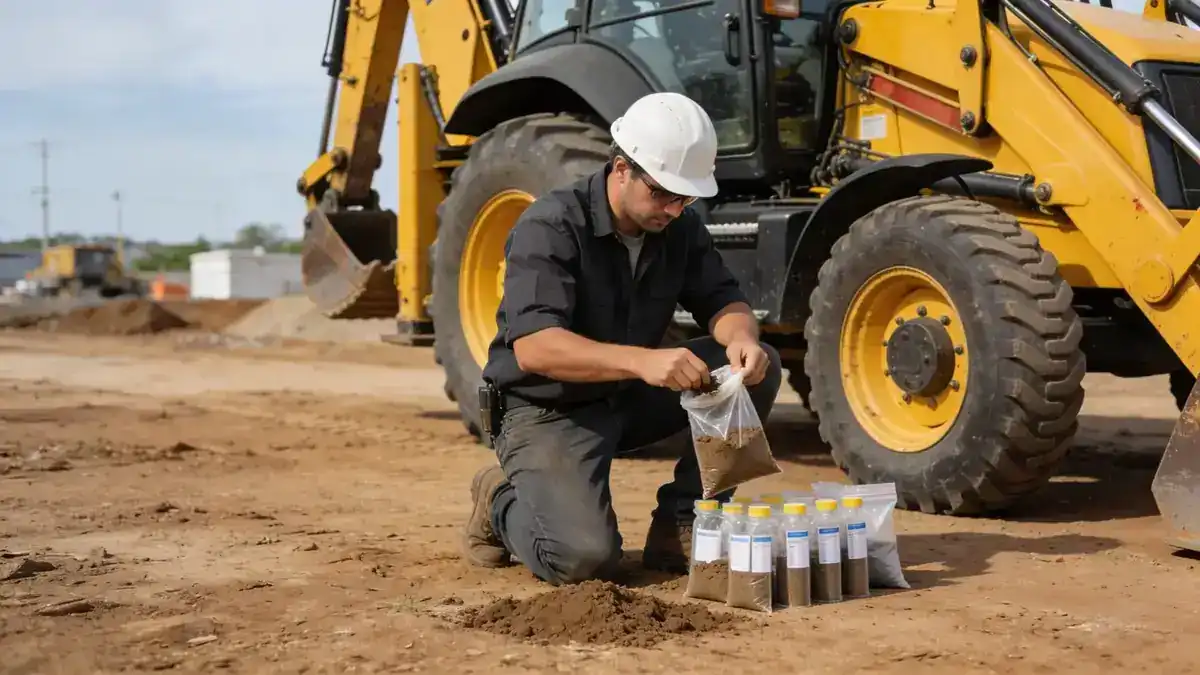
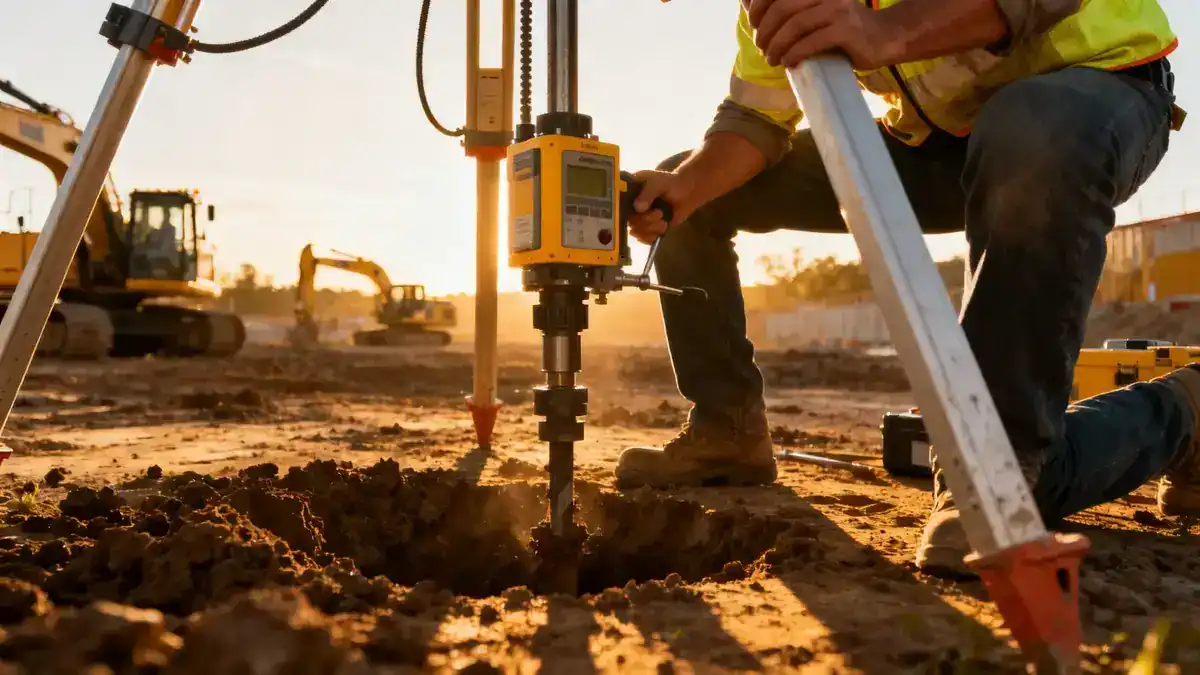
Our approach to geotechnical engineering in Barrie begins with a thorough review of existing geological maps and borehole records. We then perform targeted field investigations, including spt boring to obtain disturbed and undisturbed samples at regular intervals. Laboratory testing follows, covering index properties, strength, and consolidation characteristics. Data synthesis leads to site-specific recommendations for shallow and deep foundations, earthworks, and slope stability. We adhere to ASTM standards and Ontario Building Code requirements throughout each phase.
Reference Technical Parameters
| Parameter | Reference Value |
|---|---|
| Predominant soil type | Glacial till, silty clay, sand and gravel |
| Maximum seismic acceleration (PGA) | 0.2g to 0.3g (per NBCC 2020) |
| Typical groundwater level | 1.5 to 6 m below ground surface |
| Bedrock depth | 5 to 30 m (Shale/Limestone) |
| Typical N60 range | 5 to 50 blows/0.3m |
Local Considerations — Barrie
Barrie's geology is dominated by glaciolacustrine deposits from glacial Lake Algonquin, with silty clay and till overlying Paleozoic bedrock. The local water table fluctuates seasonally, affecting excavation stability. Seismic hazard is moderate, with peak ground accelerations of 0.2–0.3g. Older neighborhoods near the waterfront often have softer clays requiring deeper foundations, while new subdivisions on till may allow shallow footings. Frost depth reaches 1.2 m, necessitating proper foundation insulation. For regional context, our team draws on expertise from our geotechnical engineering en Toronto office.
Request a Quote
Our team reviews your project and issues an initial report at no cost.
Or write us directly at [email protected]
Services in Barrie
Applicable Standards
- ASTM D1586
- ASCE 7
- Ontario Building Code (OBC) 2012
- NBCC 2020
Frequently Asked Questions
What soil types are commonly encountered in Barrie?
Barrie's subsurface typically consists of glacial till, silty clay, and sand/gravel deposits. These materials result from glacial and post-glacial processes, with variable thicknesses and properties depending on location relative to the former lake plain.
Does Barrie have specific seismic design requirements?
Yes, Barrie falls within moderate seismic hazard zones per NBCC 2020, with PGA values of 0.2–0.3g. Site-specific seismic analysis is recommended for critical structures, including evaluation of liquefaction potential in saturated granular soils.
Are geotechnical studies mandatory for construction in Barrie?
While not always mandatory for minor residential work, most commercial, institutional, and multi-unit residential projects require a geotechnical report as part of the building permit application under the Ontario Building Code. Lenders and insurers may also require them.