Methodology
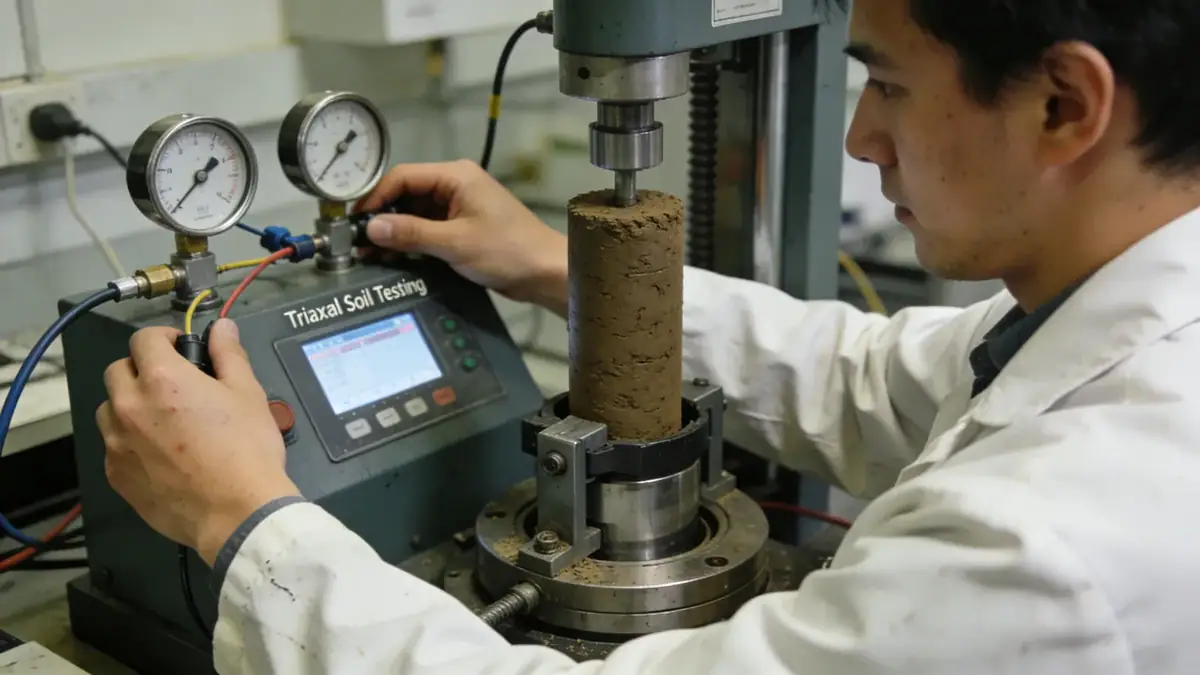
Our approach to geotechnical engineering in Ajax integrates regional geological knowledge with standardized field and laboratory methods. We conduct comprehensive site investigations using techniques such as spt boring to characterize soil stratigraphy and obtain representative samples for laboratory testing. These data are combined with groundwater monitoring and seismic hazard evaluation to develop robust geotechnical models. Our methodology adheres to recognized standards, including ASTM D1586 for standard penetration tests, ensuring consistency and reliability. By synthesizing field observations with analytical methods, we deliver practical recommendations for foundation design, earthworks, and slope stability, tailored to each project's specific conditions and regulatory requirements.
Reference Technical Parameters
| Parameter | Reference Value |
|---|---|
| Predominant soil type | Glacial till and lacustrine clay/silt with sand and gravel lenses |
| Maximum seismic acceleration (PGA) | 0.15–0.25 g (based on NBCC 2020 seismic hazard model) |
| Typical groundwater level | 1.5–4.0 m below ground surface, seasonally variable |
| Bedrock depth | 15–30 m (shallow in northern Ajax, deeper toward Lake Ontario) |
| Typical N60 range | 10–30 blows/0.3 m in till; 5–15 blows/0.3 m in clay |
Local Considerations — Ajax
Ajax's subsurface is dominated by glacial till and lacustrine deposits, with variable groundwater levels influenced by proximity to Lake Ontario and local drainage. Seismic design follows the National Building Code of Canada (NBCC 2020), with peak ground accelerations of 0.15–0.25 g. Northern areas (near Greenwood) often have shallow till over bedrock, while southern Ajax (closer to the lake) exhibits deeper soft clay deposits. Typical projects include residential subdivisions and commercial developments requiring shallow foundations or deep foundations where bearing capacity is low. Our expertise in soil mechanics laboratory testing supports accurate characterization of these variable conditions. For regional context, we collaborate with our geotechnical engineering en Toronto team to align with broader GTA practices.
Request a Quote
Our team reviews your project and issues an initial report at no cost.
Or write us directly at [email protected]
Services in Ajax
Applicable Standards
- ASTM D1586 (Standard Test Method for Standard Penetration Test)
- National Building Code of Canada 2020 (NBCC 2020)
- Ontario Regulation 332/12 (Building Code)
- Canadian Geotechnical Society (CGS) Canadian Foundation Engineering Manual
Frequently Asked Questions
What are the predominant soil types in Ajax?
Ajax is underlain by glacial till (sand, silt, clay with gravel) and lacustrine deposits (clay and silt). These soils can be variable, with till offering moderate bearing capacity and lacustrine clays exhibiting lower strength and higher compressibility.
How does seismic hazard affect geotechnical design in Ajax?
Ajax falls within NBCC 2020 seismic hazard zones requiring consideration of peak ground accelerations of 0.15–0.25 g. Site-specific soil amplification factors must be evaluated, especially in areas with soft clay deposits, to ensure foundations and structures meet code requirements.
Are geotechnical studies mandatory for construction in Ajax?
Yes, the Ontario Building Code requires a geotechnical investigation for most new buildings, particularly those with complex foundations or in areas with variable soils. Local municipalities may also mandate studies for site plan approval.