Methodology
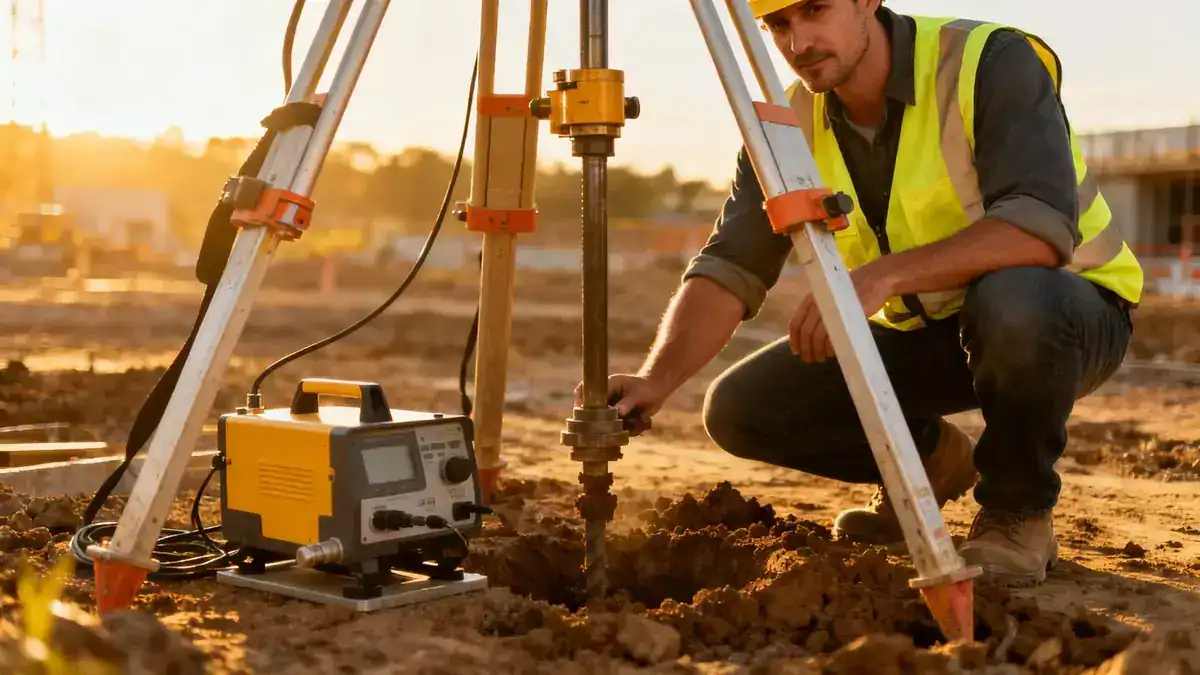
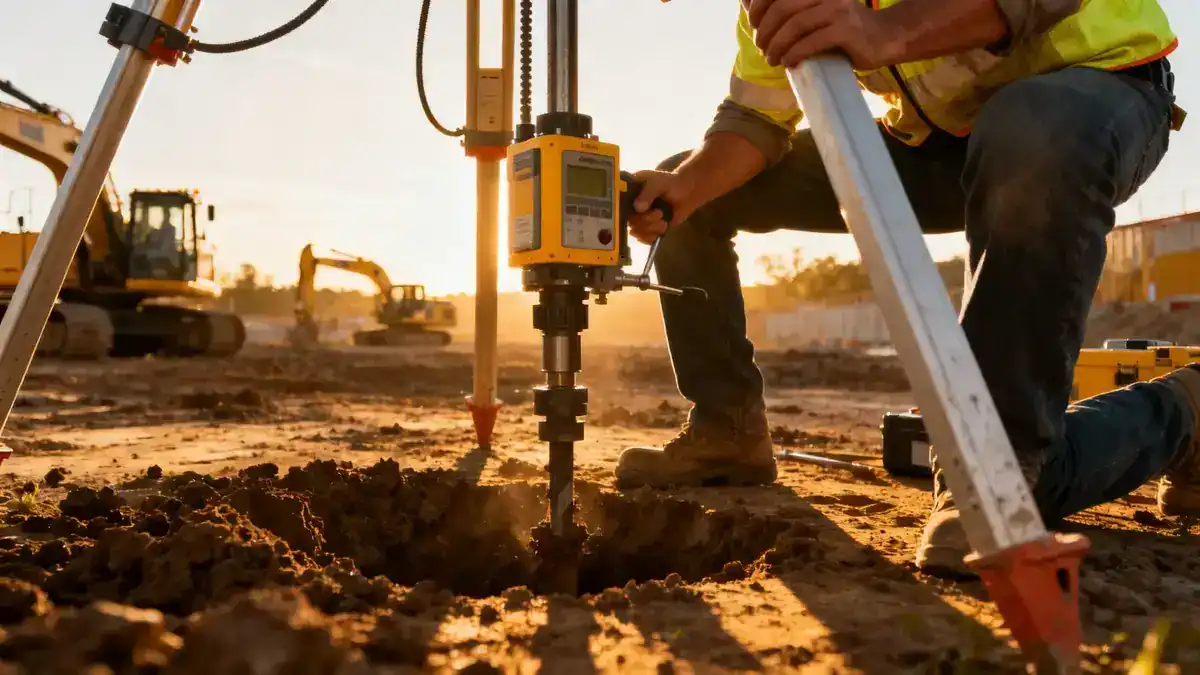
Our methodology begins with a comprehensive site investigation tailored to Abbotsford's variable geology. We perform spt boring to obtain disturbed soil samples and measure N-values, following ASTM D1586 procedures. These data are supplemented by laboratory testing of soil index properties and strength parameters. Our team analyzes the results to characterize subsurface stratigraphy, groundwater conditions, and seismic site classification. This systematic approach informs foundation design, slope stability assessments, and earthwork recommendations, all aligned with the National Building Code of Canada and local regulations.
Reference Technical Parameters
| Parameter | Reference Value |
|---|---|
| Predominant soil type | Glacial till, silty sand, and organic deposits (Fraser River floodplain) |
| Maximum seismic acceleration (PGA) | 0.35g to 0.45g (NBCC 2020 seismic hazard for Abbotsford) |
| Typical groundwater level | 1.5 m to 4.0 m below grade (seasonal variation) |
| Bedrock depth | Variable; 15 m to 60 m (glacial till over bedrock) |
| Typical N60 range | 10 to 40 blows per 300 mm (SPT in sand/till) |
Local Considerations — Abbotsford
Abbotsford's geology is dominated by glaciofluvial deposits from the Fraser River and glacial till from the Sumas Mountain foothills. The floodplain areas exhibit high groundwater levels and soft organic soils, requiring deep foundations or ground improvement. In contrast, upland regions have dense till with lower bearing capacity risks. Seismic design is critical due to moderate-to-high PGA values; our team performs site-specific response analyses per NBCC 2020. For projects requiring specialized analysis, we coordinate with our slope stability specialists. Our Abbotsford office leverages proximity to our geotechnical engineering team in Vancouver for regional expertise.
Request a Quote
Our team reviews your project and issues an initial report at no cost.
Or write us directly at [email protected]
Services in Abbotsford
Applicable Standards
- National Building Code of Canada (NBCC) 2020
- ASTM D1586 (Standard Test Method for SPT)
- ASTM D2487 (Classification of Soils for Engineering Purposes)
- BC Building Code (Local amendments)
- Canadian Foundation Engineering Manual (CFEM)
Frequently Asked Questions
What are the typical soil types found in Abbotsford?
Abbotsford soils vary from glacial till and silty sands in upland areas to organic silts and clays in the Fraser River floodplain. Glacial deposits are dense and offer good bearing capacity, while floodplain soils may require deep foundations or ground improvement to mitigate settlement and liquefaction risks.
How does seismic hazard affect geotechnical design in Abbotsford?
Abbotsford lies in a region with moderate-to-high seismic hazard, with PGA values up to 0.45g per NBCC 2020. Geotechnical engineers must evaluate liquefaction potential, site amplification, and foundation performance under seismic loads. Site-specific response analyses are often required for critical structures.
Are geotechnical studies mandatory for construction in Abbotsford?
Yes, the BC Building Code requires a geotechnical investigation for most new constructions, especially for buildings with large loads, on challenging sites, or in seismic zones. Local municipalities also mandate studies for subdivisions and infrastructure projects to ensure public safety and regulatory compliance.